Container Shipping from China to Canada: The Complete 2026 Guide for Importers
· By SinoShipment
Are you tired of hidden fees eroding your profit margins when shipping from China to Canada? Or perhaps you’ve experienced frustrating delays at Canadian ports due to easily avoidable customs compliance errors?
Shipping containers from China to Canada is the backbone of international trade for many Canadian businesses, but navigating fluctuating ocean freight costs, variable transit times, and strict Canada Border Services Agency (CBSA) regulations can be daunting. Without a clear understanding of container types, port routes, and compliance requirements, importers risk facing severe delays, unexpected demurrage fees, and profit-draining logistics errors.
This comprehensive guide breaks down everything you need to know about freight shipping from China to Canada. We cover up-to-date 2026 costs, accurate transit times, step-by-step customs clearance, and actionable tips to optimize your supply chain. Having managed over 15,000 TEUs on the trans-Pacific route over the past decade, our team at Sinoshipment provides transparent, first-hand insights to streamline your imports and protect your bottom line. We have seen firsthand how minor compliance oversights can erase profit margins, and this guide is designed to help you avoid them.
Key Takeaways:
- Cost: FCL shipping remains the most cost-effective method for volumes over 15 CBM, while LCL is ideal for smaller loads.
- Time: Ocean freight from China to Canada takes between 15 to 40 days, depending on whether you ship to the West Coast (Vancouver) or the East Coast (Montreal/Toronto).
- Compliance: Proper documentation (Bill of Lading, detailed Commercial Invoice) and registration in the CBSA’s CARM portal are mandatory to avoid border holds.
- Hidden Fees: Always factor in Terminal Handling Charges (THC) and potential demurrage/detention fees when calculating your total landed cost.
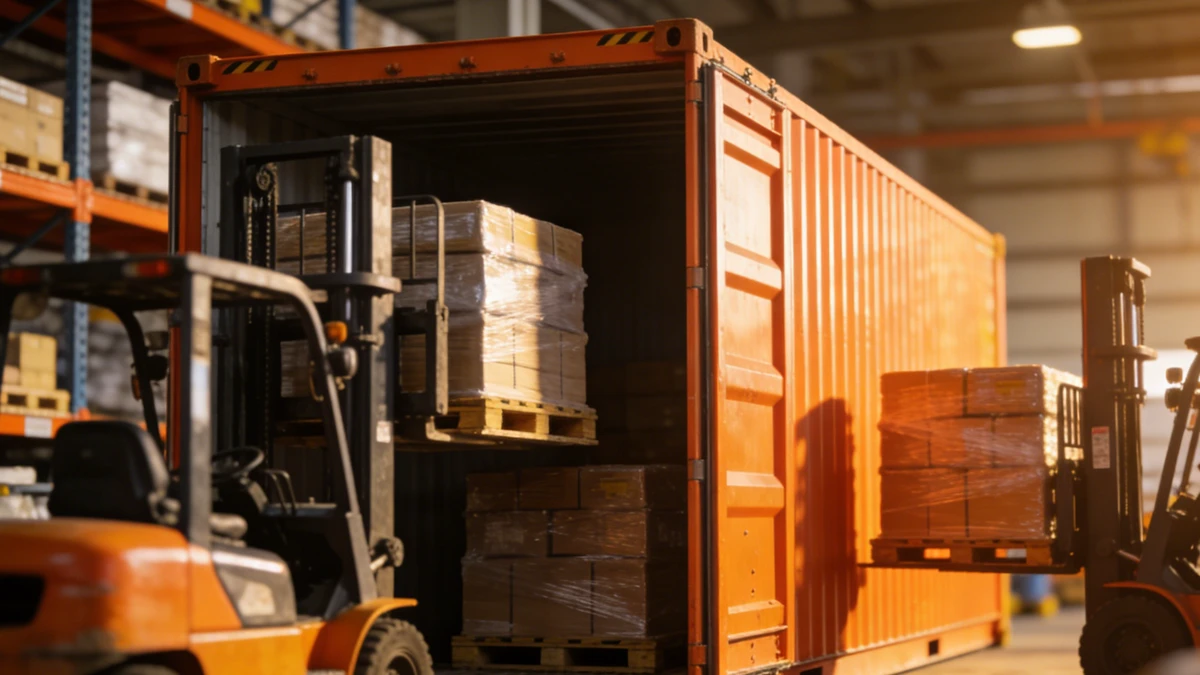
FCL vs. LCL: Choosing Your Container Shipping Method from China to Canada
For shipments over 15 CBM, Full Container Load (FCL) is the most cost-effective and secure option. For smaller volumes between 2 CBM and 15 CBM, Less than Container Load (LCL) allows you to share space and save money, though transit times are slightly longer.
What is FCL (Full Container Load) Shipping?
FCL means you rent an entire 20ft, 40ft, or 40HQ container exclusively for your goods. It is the gold standard for high-volume importers.
- Ideal Use Case: Shipments exceeding 15 Cubic Meters (CBM).
- Pros: Faster transit times (no waiting for consolidation), lower risk of damage, and more cost-effective per unit for large orders.
- Cons: Requires a larger upfront inventory investment to fill the container.
What is LCL (Less than Container Load) Shipping?
LCL allows you to pay only for the space your cargo occupies within a shared container alongside other importers’ goods.
- Ideal Use Case: Shipments between 2 CBM and 15 CBM.
- Pros: Highly cost-effective for small-to-medium businesses and perfect for testing new products without committing to a full container.
- Cons: Slower transit times due to the necessary consolidation at the origin port and deconsolidation at the destination port. Higher risk of minor handling damage.
FCL vs. LCL Comparison Table
| Feature | FCL (Full Container Load) | LCL (Less than Container Load) |
|---|---|---|
| Best For | Volumes > 15 CBM | Volumes 2 - 15 CBM |
| Cost Structure | Flat rate per container | Per CBM (Cubic Meter) |
| Transit Speed | Faster (Direct routing) | Slower (+3 to 7 days for processing) |
| Security | High (Sealed at factory) | Moderate (Handled multiple times) |

How Much Does Container Shipping Cost from China to Canada? (Updated 2026-04)
Container shipping costs from China to Canada vary based on the port of discharge, container size, and seasonal demand. As of April 2026, a 40ft FCL to Vancouver typically ranges from \(3,500 to \)5,500, while LCL rates hover around \(120-\)200 per CBM.
Average FCL Container Rates to Canada
Sea freight rates are highly volatile. Below are estimated port-to-port rates as of early 2026. Please note these are base rates and are subject to General Rate Increases (GRI) and Peak Season Surcharges (PSS).
| Route | 20ft Container (USD) | 40ft / 40HQ Container (USD) |
|---|---|---|
| Shanghai/Shenzhen to Vancouver | $2,800 - $3,800 | $3,500 - $5,500 |
| Shanghai/Shenzhen to Montreal | $3,800 - $4,800 | $4,800 - $6,800 |
| Shanghai/Shenzhen to Toronto | $4,000 - $5,000 | $5,000 - $7,200 |
Average LCL Shipping Rates to Canada
For LCL, you pay based on volume (CBM) or weight, whichever is greater.
- To West Coast (Vancouver): ~\(100 - \)150 per CBM
- To East Coast (Toronto/Montreal): ~\(150 - \)220 per CBM
Hidden Costs to Watch Out For
The ocean freight quote is rarely your final cost. When calculating your landed cost, our team at Sinoshipment always advises clients to account for:
- Terminal Handling Charges (THC): Fees charged by Canadian ports for loading/unloading the container.
- Demurrage and Detention (D&D): Penalties applied if you exceed the free time allotted for picking up your container from the port or returning the empty container. In Canadian ports, these fees can quickly exceed $150 per day.
- Customs Inspection Fees: If the CBSA flags your container for an exam (such as a VACIS X-ray), the importer bears the cost, which can range from \(200 to over \)1,000.
How Long Does Container Shipping from China to Canada Take?
Ocean freight typically takes 15 to 40 days depending on the routing. West Coast ports like Vancouver are much faster (15-20 days), while East Coast ports like Montreal or inland destinations like Toronto require rail transfers, taking 25-40 days.
Port-to-Port Transit Times
| Origin Port (China) | Destination Port (Canada) | Estimated Transit Time |
|---|---|---|
| Shanghai / Ningbo | Vancouver, BC | 14 - 18 Days |
| Shenzhen (Yantian) | Prince Rupert, BC | 15 - 20 Days |
| Qingdao | Montreal, QC | 30 - 35 Days |
| Shanghai / Shenzhen | Toronto, ON (Via Rail) | 25 - 35 Days |
(Insert SVG infographic showing a map/timeline of transit routes here)

Door-to-Door Transit Times in Canada
When planning your inventory, you must calculate the door-to-door time, not just port-to-port. Once the container arrives in Vancouver or Prince Rupert, it must be loaded onto a train (operated by CN or CPKC Rail) or a truck.
- Rail Transit: Adding rail transit from Vancouver to Toronto adds approximately 7 to 12 days to the journey.
- Delays: Be prepared for seasonal delays. Canadian winters (heavy snow in the Rockies) and periodic rail labor strikes can add weeks to your delivery timeline.
Major Sea Ports for Container Shipping from China to Canada
The Port of Vancouver handles the vast majority of Asian imports due to its proximity to China. Prince Rupert offers a fast rail connection to the Midwest and Eastern Canada, while Montreal and Halifax serve eastern importers via the Atlantic or Panama Canal routes.
Top Origin Ports in China
Choosing the right departure port depends on where your supplier is located:
- Shanghai & Ningbo-Zhoushan: The busiest hubs, ideal for suppliers in Eastern and Central China.
- Shenzhen (Yantian): The premier gateway for electronics and manufactured goods from the Pearl River Delta (Guangdong).
- Qingdao: Best for heavy machinery, tires, and goods from Northern China.
Top Destination Ports in Canada
- West Coast Gateways:
- Port of Vancouver: Canada’s largest port. While it boasts excellent infrastructure, our team consistently observes congestion and rail car shortages during the Q3 peak season (August-November). For authoritative updates on terminal operations, importers can monitor the Vancouver Fraser Port Authority’s official site.
- Port of Prince Rupert: Located further north, it offers the shortest ocean route from Asia (about 2 days faster than Vancouver) and seamless rail connections deep into North America.
- East Coast & Inland Gateways:
- Port of Montreal: Accessed via the St. Lawrence River. Excellent for direct ocean service to Quebec and Eastern Ontario.
- Port of Toronto: Not a deep-water ocean port; containers arrive here via rail from Vancouver or Montreal.
Navigating Canada Customs Clearance for Container Imports from China
Proactive documentation is the absolute key to avoiding CBSA holds. Importers must secure a Business Number, prepare hyper-accurate commercial invoices, and register in the CBSA’s mandatory CARM portal before shipping.
Essential Shipping Documents for Canada
To ensure smooth customs clearance, your documentation must be flawless. Discrepancies between documents are the #1 cause of CBSA inspections.
- Bill of Lading (B/L): The legal contract between the shipper and carrier.
- Commercial Invoice: Must clearly state the buyer, seller, unit price, total value, currency, and Incoterms. Expert Tip: Avoid vague descriptions like “Auto Parts.” Use specific descriptions like “Steel Brake Rotors for 2022 Honda Civic.”
- Packing List: Details the weight, dimensions, and contents of every pallet/box.
- Certificate of Origin: Required to claim preferential tariff treatments under free trade agreements (though standard MFN rates apply to most Chinese goods).
Understanding Canadian Duties and Taxes
When your container arrives, you are responsible for paying:
- Customs Duties: Determined by the specific Harmonized System (HS) Code of your product. Some goods enter duty-free, while others (like textiles or certain steel products) face steep tariffs. You can consult the Canadian Customs Tariff Schedule for exact rates.
- Goods and Services Tax (GST): A flat 5% GST is applied to the duty-paid value of most commercial imports.
Crucial Update: The CBSA has fully rolled out the CARM (CBSA Assessment and Revenue Management) initiative. As an Importer of Record, you must register directly via the official CBSA CARM portal and post your own financial security (customs bond) to clear commercial goods. In our recent operations, we have seen unprepared importers face cargo holds of up to two weeks simply because their CARM delegation was incomplete.

Why You Need a Canadian Customs Broker
While you can clear goods yourself, hiring a licensed Canadian customs broker is highly recommended. A broker acts as your liaison with the CBSA, ensuring your HS codes are perfectly classified, calculating your exact landed costs, and preventing costly delays.
Common Pitfalls in Container Shipping from China to Canada
To protect your cargo and budget, you must proactively manage risks. The most common pitfalls include HS code misclassification leading to massive fines, inadequate packaging causing transit damage, and failing to secure comprehensive cargo insurance.
- Incorrect HS Codes: Misclassifying your goods is a serious compliance violation. It can lead to severe Administrative Monetary Penalty System (AMPS) fines from the CBSA or cause you to overpay duties unnecessarily. We strongly advise having a licensed broker review your classifications before the cargo ever leaves the Chinese factory.
- Inadequate Packaging: The Pacific crossing is rough. Furthermore, goods moving from Vancouver to Toronto via rail experience significant vibration. Ensure your supplier uses heavy-duty, export-grade corrugated boxes and properly wraps and straps pallets.
- Lack of Cargo Insurance: Carrier liability under standard maritime law is shockingly low (often just $2 per kg). If a container falls overboard, or if the ship declares “General Average” (where all shippers share the cost of saving the vessel), you could lose your entire investment. Always purchase “All-Risk” cargo insurance.
Sinoshipment: Your Expert Partner for Container Shipping from China to Canada
Managing international logistics shouldn’t be a full-time headache. At Sinoshipment, we specialize in simplifying the China-to-Canada trade lane.
- Our Advantage: We hold competitive contract rates with premium ocean carriers, ensuring you get guaranteed space even during the chaotic Q3 peak season.
- Tailored Solutions: Whether you need port-to-port FCL shipping, consolidation for LCL, or a complete door-to-door solution delivering directly to an Amazon FBA warehouse in Toronto or a 3PL in Vancouver, we handle it all. Our in-house experts coordinate directly with your Chinese suppliers and Canadian customs brokers to ensure a frictionless process.
Frequently Asked Questions
What is the cheapest way to ship from China to Canada? Ocean freight is significantly cheaper than air freight (though if speed is your top priority, you can explore Air Freight from China to Canada. If you have enough volume (over 15 CBM), booking an FCL (Full Container Load) provides the lowest cost per unit.
Do I need an import license to bring goods into Canada? You do not need a general “import license,” but you must obtain a Business Number (BN) with an import/export account from the Canada Revenue Agency (CRA) before your goods arrive.
What is the de minimis threshold for Canada? The Canadian de minimis threshold is CAD 40 for taxes and CAD 150 for duties. However, this primarily applies to courier shipments. Commercial container shipments will almost always exceed this value and be subject to standard clearance.
Can I track my container from China to Canada? Yes. You can track your container using the carrier’s Master Bill of Lading number on their website, or utilize Sinoshipment’s integrated digital tracking platform for real-time visibility.
Conclusion
Shipping containers from China to Canada requires strategic planning around container types, routing, costs, and strict CBSA customs compliance. By understanding the difference between FCL and LCL, anticipating hidden port fees, and ensuring your documentation is flawless, you can build a resilient and highly profitable supply chain.
Ready to optimize your shipping strategy and reduce your landed costs? Stop leaving your logistics to chance. Contact Sinoshipment today for a customized freight quote, expert routing advice, and dedicated support for your next import from China.
Disclaimer: Ocean freight rates, transit times, and customs regulations are highly volatile and subject to change. The data in this guide reflects early 2026 market conditions. Always consult with a licensed Canadian Customs Broker for official regulatory and tax advice.