Freight Costs from China to USA: The Ultimate 2026 Cost Guide
· By SinoShipment
Shipping costs are the single biggest variable in your supply chain profitability. In March 2026, navigating the volatile freight market between China and the USA requires more than just getting a quote—it requires strategy. At SinoShipment, we’ve seen rates swing by 30% in a single week during the recent Red Sea disruptions, catching unprepared importers off guard.
Freight costs from China to USA are not static numbers; they are a complex interplay of fuel prices, seasonal demand, and geopolitical shifts. Whether you are an Amazon FBA seller or a large-scale importer, understanding these costs can mean the difference between a profitable product launch and a logistical nightmare.
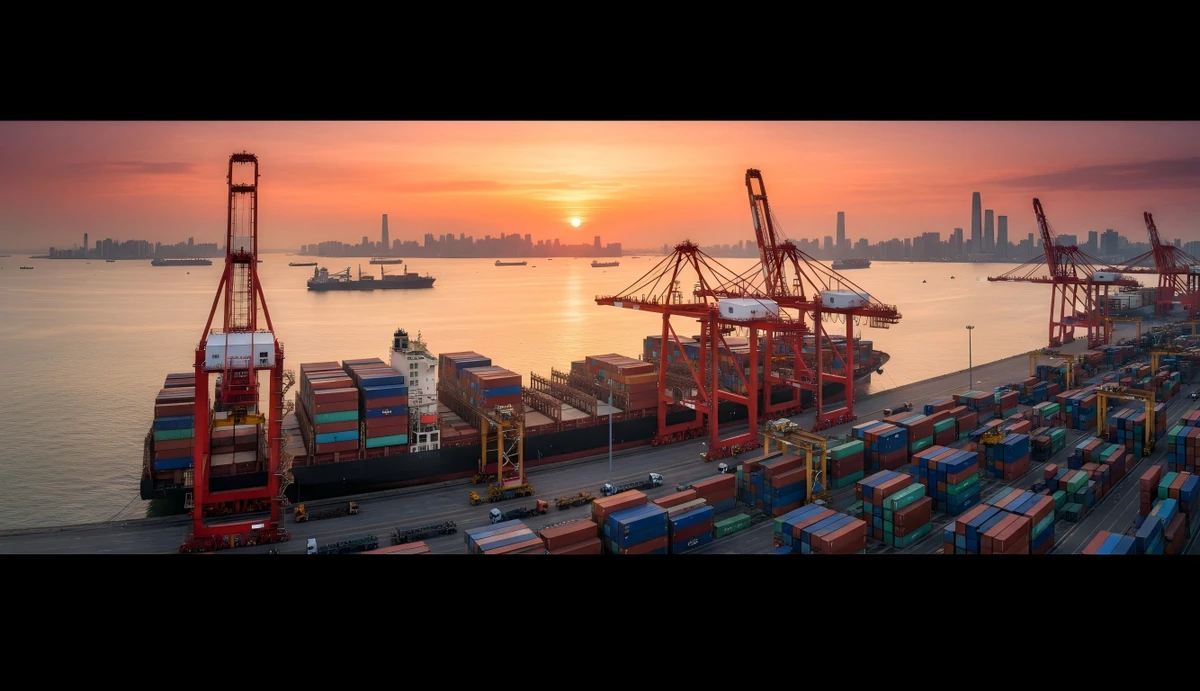 This guide provides a transparent breakdown of current sea and air freight rates, hidden fees, and expert strategies to minimize your landed costs. You will learn how to calculate chargeable weight, choose the right shipping mode, and why partnering with a China-based expert like SinoShipment can save you up to 15% on your logistics budget.
Current Freight Market Overview (March 2026)
As we move into the second quarter of 2026, the logistics landscape has stabilized compared to the disruptions of previous years, but challenges remain. The “new normal” in international shipping involves higher baseline rates driven by green energy regulations and capacity management by major alliances.
Market Trends & Key Drivers
Three main factors are currently driving freight costs from China to USA:
- Fuel Surcharges (BAF): With the maritime industry’s shift toward low-sulfur fuels and LNG, the Bunker Adjustment Factor (BAF) has become a significant portion of the total ocean freight rate.
- General Rate Increases (GRI): Carriers continue to implement GRI to manage capacity and keep spot rates profitable. According to recent data from the Shanghai Containerized Freight Index (SCFI), we are seeing a slight dip in rates post-Chinese New Year, making it an ideal time to ship.
- US-China Trade Tariffs: While the trade war rhetoric has cooled, existing Section 301 tariffs remain in place for many product categories, directly affecting the Landed Cost of imported goods.
West Coast vs. East Coast Dynamics
The cost gap between shipping to the West Coast (Los Angeles/Long Beach) versus the East Coast (New York/Savannah) has widened. Due to labor negotiations at West Coast ports earlier this year, many importers shifted volume to the East Coast, driving up rates on the all-water route via the Panama Canal.

Ocean Freight Costs: FCL vs. LCL
Ocean freight remains the most cost-effective mode for bulk shipments. Understanding the difference between FCL (Full Container Load) and LCL (Less than Container Load) is critical for optimizing your budget.
FCL (Full Container Load) Rates
For shipments over 15 CBM (Cubic Meters), FCL is almost always the better option. It offers lower risk of damage, faster transit times, and a flat rate per container.
Here is an estimated breakdown of current spot rates for March 2026:
| Route (China Base Port to USA) | 20GP Container (Est. Cost) | 40GP Container (Est. Cost) | 40HQ Container (Est. Cost) | Transit Time (Days) |
|---|---|---|---|---|
| Shanghai to Los Angeles (West Coast) | \(1,800 - \)2,200 | \(2,500 - \)3,000 | \(2,800 - \)3,500 | 16 - 20 |
| Shenzhen to New York (East Coast) | \(2,800 - \)3,200 | \(4,200 - \)4,800 | \(4,500 - \)5,200 | 30 - 35 |
| Ningbo to Chicago (Inland via Rail) | \(3,500 - \)4,000 | \(5,000 - \)5,500 | \(5,500 - \)6,200 | 25 - 30 |
Note: Rates are subject to weekly fluctuations. For a precise, real-time quote tailored to your cargo, contact SinoShipment today.
LCL (Less than Container Load) Costs
LCL allows you to share container space with other shippers. It is ideal for smaller shipments (1-15 CBM) but comes with higher per-unit costs due to consolidation fees.
- Pricing Model: LCL is charged per Revenue Ton (CBM or 1000kg, whichever is greater).
- The Break-Even Point: Once your shipment exceeds 15 CBM, the cost of LCL often surpasses that of a 20GP FCL container.
⚠️ Expert Warning: The “Zero Freight” Scam We often see new importers lured by “Zero Ocean Freight” quotes for LCL. This is a trap. Unscrupulous forwarders offer $0 freight but charge exorbitant Destination Terminal Handling Charges (DTHC) and CISF (China Import Service Fee) upon arrival in the US. These fees can be 3x higher than standard rates. Always ask SinoShipment for an “all-in” door-to-door quote to avoid these surprises.
Air Freight Rates: Speed vs. Cost
When speed is paramount, air freight is the solution. However, it costs significantly more than ocean freight—typically 8 to 10 times higher.
Standard Air Freight
Standard air freight is shipped via commercial or cargo airlines and is ideal for shipments between 150kg and 500kg.
- +100kg: ~\(5.50 - \)6.50 per kg
- +300kg: ~\(5.00 - \)5.80 per kg
- +500kg: ~\(4.50 - \)5.20 per kg
- +1000kg: ~\(4.20 - \)4.80 per kg
Ideal Use Cases: High-value electronics, fashion samples, or emergency stock replenishment.
Express Shipping (Courier)
For shipments under 45kg, courier services like DHL, FedEx, and UPS are often cheaper and simpler than standard air freight because they include customs clearance in the price.
- Rate: ~\(7.00 - \)9.00 per kg (varies by volume and account discount).
- Advantage: Door-to-door delivery in 3-5 days.
Air vs. Sea Cost Comparison
Let’s compare the cost of shipping a 500kg / 3 CBM pallet of electronics from Shenzhen to Los Angeles:
| Shipping Mode | Estimated Cost | Transit Time | Notes |
|---|---|---|---|
| Air Freight | ~$2,500 | 5 - 7 Days | Fast, high security, lower insurance cost. |
| LCL Ocean | ~\(400 - \)600 | 20 - 25 Days | Cheap, but slower and higher handling risk. |
| Express | ~$3,800 | 3 - 5 Days | Fastest, easiest, but most expensive. |
.svg)
6 Hidden Fees That Inflate Your Shipping Bill
Many importers focus solely on the “freight rate” and get blindsided by local charges. A comprehensive quote from SinoShipment will always detail these costs upfront.
- Origin Charges: Includes pickup (trucking), export documentation, and China customs clearance. Usually \(150-\)300 for LCL shipments.
- Destination Charges: The most variable part of the bill. Includes DTHC, chassis fees (for trucking containers), and warehousing fees.
- Customs Duties & Taxes:
- Duty: Based on the HS Code of your product.
- MPF (Merchandise Processing Fee): 0.3464% of cargo value (Min \(31.67, Max \)614.35).
- HMF (Harbor Maintenance Fee): 0.125% of cargo value (Sea freight only).
- Compliance Fees:
- ISF Filing (10+2 Rule): Must be filed 24 hours before loading. Failure results in a $5,000 fine.
- Customs Bond: Required for all commercial imports over $2,500. (Single Entry vs. Continuous Bond).
- Demurrage & Detention: Penalties for exceeding the free time allowed at the port (Demurrage) or keeping the container too long outside the port (Detention).
- Inspection Fees: If US Customs and Border Protection (CBP) flags your shipment for an X-ray or intensive exam, you pay the bill. Costs range from \(300 to over \)2,000.
How to Calculate Your Freight Chargeable Weight
Carriers charge based on either Gross Weight or Volumetric Weight, whichever is higher. This is known as the Chargeable Weight.
The “DIM Factor”
- Air Freight: 1 CBM = 167 kg (Divisor: 6000).
- Express (Courier): 1 CBM = 200 kg (Divisor: 5000).
- Sea Freight (LCL): 1 CBM = 1000 kg.
Calculation Formula
Formula: Length x Width x Height (cm) / Divisor = Volumetric Weight in kg.
Real-world Example
You are shipping 10 cartons of plush toys via Air Freight.
- Dimensions: 50cm x 50cm x 50cm per carton.
- Gross Weight: 10kg per carton. Total Gross Weight = 100kg.
- Volume Calculation: 50*50*50 / 6000 = 20.83kg per carton. Total Volumetric Weight = 208.3kg.

Result: You will be billed for 208.3kg, not 100kg. Understanding this helps you optimize packaging to save money.
Factors Influencing Freight Costs in 2026
Seasonality
Timing is everything. Shipping during peak periods can double your costs.
- Peak Season (Aug-Oct): Retailers stock up for Black Friday and Christmas. Capacity is tight, and premiums apply.
- Chinese New Year (Jan/Feb): Factories rush to ship before closing for 2-3 weeks. Rates spike significantly.
- Golden Week (Oct): A smaller spike before the Chinese National Holiday.
Oil Prices
Ocean carriers adjust their BAF monthly or quarterly based on Brent Crude oil prices. In 2026, energy market volatility continues to be a major factor in rate adjustments.
Container Availability
While the severe shortages of 2021-2022 are over, regional imbalances still occur. A shortage of empty containers in inland China can force you to pay for “equipment repositioning,” adding to your cost.
Incoterms Selection
Your choice of Incoterms (International Commercial Terms) dictates who pays for what.
- FOB (Free On Board): You pay freight from the Chinese port to your door. Recommended for most importers as it gives you control over the shipping cost and carrier selection.
- EXW (Ex Works): You pay for everything from the factory door. Good for maximum control but requires a capable forwarder.
- DDP (Delivered Duty Paid): The supplier pays everything. Often includes a hidden markup on freight.
Proven Strategies to Reduce Shipping Costs
Consolidation
If you buy from multiple suppliers, shipping separate LCL loads is wasteful. SinoShipment offers expert consolidation services. We collect goods from your various suppliers, combine them into a single FCL container, and ship them together.
- Real-World Savings: We recently helped a client sourcing gym equipment from three different factories in Zhejiang. By consolidating their three LCL shipments (total 22 CBM) into one 20GP container, we saved them $1,450 in destination charges and trucking fees compared to shipping separately.
Route Optimization
Sometimes the direct route isn’t the best. For example, shipping to Los Angeles and trucking to the Midwest might be faster but more expensive than an all-water route to the East Coast or a rail option to Chicago. We analyze your timeline and budget to find the “sweet spot.”
Packaging Optimization
Reduce empty space! Work with your supplier to minimize packaging dimensions. Saving just 2cm on a box height can reduce total volume by 10-15%, directly lowering air freight costs.
Right Forwarder
Local expertise matters. A US-based forwarder often outsources the China side of the operation to an agent, adding a layer of markup. As a China-based forwarder, SinoShipment deals directly with carriers and customs in China, offering you better local rates and faster problem resolution.
FAQ: Freight Costs from China to USA
How much does it cost to ship a 40ft container from China to the USA in 2026?
As of March 2026, a 40ft container from China to the West Coast costs approximately \(2,500 - \)3,000, while shipping to the East Coast ranges from \(4,200 - \)4,800. Prices vary weekly based on GRI and fuel surcharges.
Is air freight always more expensive than sea freight?
Yes, typically 8-10 times more expensive per kilogram. However, for very small shipments (under 150kg) or extremely urgent goods, the speed and lower inventory holding costs of air freight can justify the premium.
What is the cheapest way to ship from China to the US?
FCL Ocean Freight is the cheapest method per unit. If you don’t have enough cargo for a full container, Ocean LCL is the next best option. Avoid air freight if cost is your primary concern.
Do I have to pay import duties on all goods from China?
Most likely. In addition to standard MFN (Most Favored Nation) duty rates, many Chinese goods are subject to an additional 25% tariff under Section 301. Always check your product’s HS Code before shipping.
How long does shipping take from China to the USA?
- West Coast: 16-20 days (port to port).
- East Coast: 30-35 days (all water).
- Air Freight: 3-7 days.
- Express: 3-5 days.
Conclusion
Understanding freight costs from China to USA is about more than finding the lowest number on a spreadsheet. It’s about balancing speed, reliability, and total landed cost. In 2026, the market rewards those who plan ahead and optimize their supply chain.
Don’t let hidden fees, unexpected delays, or inefficient routing eat into your profit margins. Whether you are shipping your first pallet or your hundredth container, you need a partner who understands the intricacies of US-China logistics.
Contact SinoShipment today for a transparent, competitive quote tailored to your 2026 supply chain needs. Let us handle the complexities of logistics so you can focus on growing your business.