How Long Does Shipping Take from China to Australia? (2026 Ultimate Guide)
· By SinoShipment
Are you tired of unexpected shipping delays eroding your profit margins and disrupting your inventory flow when importing from China to Australia? In the fast-paced world of international trade, not knowing exactly when your cargo will arrive is a risk no importer or e-commerce seller can afford.
The trade route between China and Australia is one of the busiest in the global supply chain. Millions of tons of cargo—from electronics and apparel to heavy machinery—cross this corridor annually. However, many importers still face frustrating delays simply because they chose the wrong shipping method or misunderstood the crucial difference between “port-to-port” and “door-to-door” transit times.
In this comprehensive 2026 guide, we draw on our extensive operational experience at Sinoshipment—having managed thousands of TEUs (Twenty-Foot Equivalent Units) and air cargo shipments along this specific corridor—to break down exactly how long shipping takes from China to Australia. You will learn the realistic timelines for sea freight (both FCL and LCL), air freight, and Express Courier. More importantly, our compliance team will uncover the hidden factors that cause delays and provide actionable strategies to ensure your cargo arrives on schedule, every time.
Disclaimer: Transit times and customs regulations provided are based on Q1 2026 data. Global logistics are subject to volatility; always consult with a licensed freight forwarder for real-time assessments.
How Long Does Shipping Take from China to Australia?
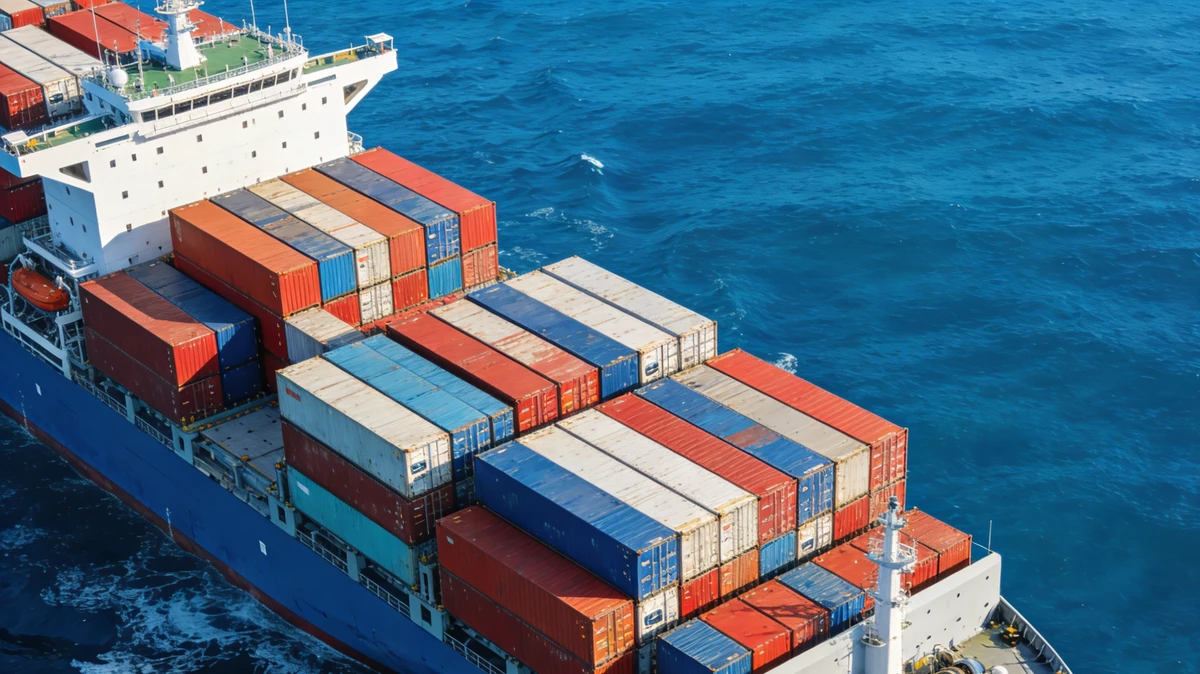
Shipping from China to Australia generally takes 2 to 5 days by Express Courier, 3 to 7 days by Air Freight, and 18 to 35 days by Sea Freight. These timeframes reflect the total door-to-door transit time, including standard customs clearance and final delivery to the destination warehouse.
When planning your supply chain, it is critical to understand that “transit time” is not just the time your cargo spends on a vessel or an airplane.
| Shipping Method | Port-to-Port / Airport-to-Airport | Door-to-Door Transit Time | Best For |
|---|---|---|---|
| Express Courier | N/A | 2–5 Days | Urgent documents, samples, parcels < 100kg |
| Air Freight | 1–3 Days | 3–7 Days | Time-sensitive, high-value goods (100kg - 500kg) |
| Sea Freight (FCL) | 15–25 Days | 28–40 Days | Large volumes, cost-effective (> 2 CBM) |
| Sea Freight (LCL) | 15–25 Days | 35–48 Days | Medium volumes, cost-effective (flexible schedule) |
Key Takeaway: The true shipping timeline encompasses booking the cargo, inland trucking in China, export customs clearance, the main ocean or air transit, import customs clearance in Australia, and the final mile delivery.

Sea Freight Shipping Time from China to Australia
Sea freight shipping time from China to Australia typically ranges from 15 to 25 days for port-to-port transit. However, when calculating the complete door-to-door timeline, importers should expect 28 to 40 days for FCL (Full Container Load) and 35 to 48 days for LCL (Less than Container Load).
Sea freight remains the undisputed backbone of China-Australia trade. For businesses importing large volumes of commercial goods, it is by far the most cost-effective solution, though it requires the most forward planning. If you need a comprehensive solution, our freight shipping from China to Australia service can handle both FCL and LCL efficiently.
FCL vs. LCL: Understanding the Time Difference
The choice between FCL and LCL significantly impacts your total transit time:
- FCL (Full Container Load): Since you rent the entire container, the handling process is streamlined. The container is sealed at the factory in China and only opened when it reaches your warehouse in Australia. This reduces handling time, resulting in a door-to-door transit of approximately 28 to 40 days.
- LCL (Less than Container Load): If your cargo isn’t large enough to fill a whole container (typically under 15 CBM), it shares space with other shipments. This requires your freight forwarder to consolidate the goods at a warehouse in China before departure and deconsolidate them upon arrival in Australia. This extra handling typically adds 5 to 8 days to the journey, pushing the door-to-door time to 35 to 48 days.
Major Port-to-Port Timelines
The specific ports of departure and arrival also dictate the schedule. Here is a breakdown of average port-to-port transit times based on recent 2026 carrier schedules:
| Origin Port (China) | Destination Port (Australia) | Estimated Transit Time |
|---|---|---|
| Shenzhen (Yantian) | Melbourne | 18–25 Days |
| Ningbo / Shanghai | Sydney | 15–22 Days |
| Qingdao | Brisbane | 20–30 Days |
| Guangzhou (Nansha) | Perth (Fremantle) | 14–20 Days |
Expert Insight: In our recent Q1 2026 shipments to Sydney, we’ve noticed increased congestion causing 2-3 day berthing delays. At Sinoshipment, our direct contracts with premium ocean carriers ensure that our clients receive priority vessel space. This significantly minimizes the risk of your cargo being “rolled” (bumped to the next sailing) during peak seasons like the pre-Golden Week rush, keeping your supply chain strictly on schedule.
Air Freight Shipping Time from China to Australia
Air freight shipping time from China to Australia generally takes 3 to 7 days for a complete door-to-door delivery. The actual flight time is only 10 to 12 hours, but the total duration accounts for cargo consolidation, airport handling, and standard customs clearance.
When your inventory is running dangerously low, or you are launching a new high-value product line (such as consumer electronics or seasonal apparel), air freight is the optimal choice. It bridges the gap between the high cost of express couriers and the slower pace of ocean freight. To understand the options available for your cargo, you can also explore the benefits of Air Freight from China to Australia.
Direct Flights vs. Consolidated Air Freight
- Direct Air Freight (3–5 Days Door-to-Door): Your cargo is loaded onto a direct flight from major Chinese hubs (like Shanghai PVG or Guangzhou CAN) straight to Australian airports (like Sydney SYD or Melbourne MEL). This is the fastest standard commercial option but comes at a premium price.
- Consolidated Air Freight (5–7 Days Door-to-Door): To save on costs, freight forwarders group multiple shipments together. The cargo might fly on a connecting route (e.g., via Singapore or Hong Kong). While slightly slower, it offers a more economical rate for shipments weighing between 100kg and 500kg.
In our experience, ensuring your Commercial Invoice and Packing List are 100% accurate before the cargo even arrives at the Chinese airport can shave 1-2 days off the total air freight transit time by preventing customs holds.
Express Courier Shipping Time from China to Australia (DHL, FedEx, UPS)
Express courier shipping from China to Australia takes an average of 2 to 5 business days door-to-door. This premium service utilizes dedicated logistics networks to provide the fastest, most seamless shipping experience available for small parcels.
For product samples, urgent legal documents, or small parcels weighing under 100kg, express couriers like DHL, FedEx, and UPS are the undisputed champions of speed.
Pros & Cons of Express Shipping
The Advantages:
- Unmatched Speed: Packages can often arrive in Sydney or Melbourne from Shenzhen in as little as 48 hours.
- Seamless Customs: Couriers have dedicated, in-house customs brokerage teams that pre-clear goods while they are still in the air.
- Granular Tracking: You receive real-time, step-by-step visibility of your package’s journey from pickup to delivery.
The Disadvantages:
- High Cost: Express shipping is incredibly expensive, often costing 4 to 10 times more per kilogram than standard sea freight. It is generally not economically viable for large commercial shipments unless extreme urgency dictates otherwise.
5 Key Factors That Affect How Long Shipping Takes from China to Australia
Several critical factors affect how long shipping takes from China to Australia, including strict customs and quarantine holds, peak season vessel congestion, port labor strikes, adverse weather conditions, and inland trucking delays.
Even with the most meticulous planning, international logistics is subject to variables outside of direct control. Understanding these bottlenecks allows you to build a resilient supply chain.

- Customs Clearance and Quarantine Holds: Australia has some of the strictest biosecurity laws in the world, managed by the Department of Agriculture, Fisheries and Forestry (DAFF). Missing documents, incorrect HS codes, or failure to comply with the Brown Marmorated Stink Bug (BMSB) fumigation regulations will result in immediate and lengthy quarantine holds. Additionally, ensuring your ChAFTA (China-Australia Free Trade Agreement) Certificate of Origin is perfectly executed not only prevents border delays but can eliminate up to 5% in import tariffs for eligible goods, based on our daily clearance operations.
- Peak Seasons & Holidays: The logistics network heavily constricts during major holidays. The weeks leading up to Chinese New Year (usually Jan/Feb), Golden Week (October), and the Q4 pre-Christmas rush see massive spikes in volume. During these periods, vessel space becomes scarce, and carrier rollovers can add 1 to 2 weeks to your transit time.
- Port Congestion & Labor Strikes: Major Australian ports, particularly Sydney (Port Botany) and Melbourne, occasionally experience severe congestion or industrial action by maritime unions. This can leave vessels waiting at anchor for days before they can berth and unload.
- Weather Conditions: The South China Sea is prone to typhoons during the summer and autumn months. Severe weather will force vessels to reroute or delay departure, and can ground cargo flights, adding unpredictable days to the transit.
- Inland Transportation: The journey doesn’t start at the port. Delays in trucking your goods from a factory in inland China (e.g., Chengdu) to a coastal port (e.g., Shanghai), or a shortage of truck drivers to deliver the container from the Australian port to your final warehouse, can significantly impact the final door-to-door timeline.
How to Choose the Right Shipping Method for Your Business
Choosing the right shipping method from China to Australia requires balancing your cargo’s weight, volume, and urgency. Express courier is best for urgent parcels under 100kg, air freight for goods up to 500kg needed within a week, and sea freight for bulky, non-urgent shipments.
To protect your margins while meeting customer demand, use this straightforward decision matrix:
- Scenario A: < 100kg & Highly Urgent -> Choose Express Courier. The premium price is justified by the speed and ease of clearance.
- Scenario B: 100kg - 500kg & Needed in 1 Week -> Choose Air Freight. It provides the necessary speed without the exorbitant markup of courier networks.
- Scenario C: > 500kg or > 2 CBM & Flexible Schedule -> Choose Sea Freight (LCL or FCL). This is the only viable option for protecting the profit margins on bulk commodities.
Pro Tip: At Sinoshipment, we frequently help clients implement hybrid logistics strategies. For example, if a client is launching a new product, we might fly 10% of the inventory via Air Freight to meet the immediate launch date, while sending the remaining 90% via Sea Freight to maximize profitability.
Why Choose Sinoshipment for Your China to Australia Logistics?
Choosing Sinoshipment guarantees you competitive rates, guaranteed vessel space, and seamless customs clearance. Our extensive experience ensures your cargo arrives in Australia safely and exactly on schedule.
Navigating the complexities of international trade requires more than just booking a container; it demands a strategic logistics partner. At Sinoshipment, we pride ourselves on delivering end-to-end solutions tailored specifically for the China-Australia corridor.
- Competitive Pricing: Through our direct contracts with major ocean and air carriers, we bypass middlemen to offer you highly cost-effective rates without compromising on service quality.
- Guaranteed Space: Even during peak seasons like the pre-Christmas rush, our priority loading agreements mean your cargo won’t be rolled over or delayed at the origin port.
- Expert Customs Brokerage: Our in-house compliance team meticulously handles all paperwork—including ChAFTA certificates and BMSB fumigation requirements—preventing costly border delays and quarantine holds.
- End-to-End Visibility: From factory pickup in Shenzhen to final mile delivery at your Australian warehouse or Amazon FBA center, we provide proactive communication and dedicated customer support.
By partnering with Sinoshipment, you are choosing reliability, radical transparency, and a logistics strategy designed to protect your profit margins.
FAQ
Frequently asked questions about shipping from China to Australia revolve around finding the cheapest method, understanding customs clearance duration, and navigating Amazon FBA requirements.
What is the cheapest way to ship from China to Australia? Sea freight is unequivocally the cheapest method. Depending on your total volume, LCL (for smaller shipments) or FCL (for enough cargo to fill a container) will provide the lowest cost per unit. However, you are trading time for money, as it takes 4 to 6 weeks. Note: When calculating your total landed cost, remember that most imports are subject to a 10% Goods and Services Tax (GST) levied by the Australian Taxation Office (ATO), calculated on the Value of the Taxable Importation (VoTI).
How long does customs clearance take in Australia? According to the Australian Border Force (ABF), all goods imported into Australia require a formal import declaration. If your paperwork (Commercial Invoice, Packing List, Bill of Lading, Certificate of Origin) is 100% accurate, standard customs clearance usually takes 1 to 3 days. However, as experienced customs brokers, we advise clients that if cargo is flagged for a random inspection or a biosecurity (BMSB) check, it can be delayed by several days to a couple of weeks.
Does Amazon FBA shipping take longer? Yes, shipping directly to an Amazon FBA fulfillment center in Australia (like the facilities in Sydney or Melbourne) takes slightly longer. The cargo requires specific FBA labeling, strict palletizing standards, and the freight forwarder must secure a delivery appointment slot through Amazon’s Carrier Central portal, which typically adds 3 to 7 days to the final delivery leg.
Conclusion
Ultimately, how long shipping takes from China to Australia depends entirely on your budget and how urgently you need your inventory. You can choose to have your goods arrive in as little as 3 days via air, or optimize your costs with a 35-day ocean voyage. The ultimate cost-saver in international trade is proactive planning. By understanding these timelines and potential delay factors, you can build a resilient, highly profitable supply chain.
Ready to optimize your China-to-Australia logistics? Navigating customs, securing vessel space, and avoiding hidden delays requires an experienced partner. Contact Sinoshipment today for reliable transit times, highly competitive rates, and expert, hassle-free customs clearance. Get your free, no-obligation quote now and let us streamline your global supply chain!