How Long Does Shipping Take from China to Mexico? (2026 Ultimate Guide)
· By SinoShipment
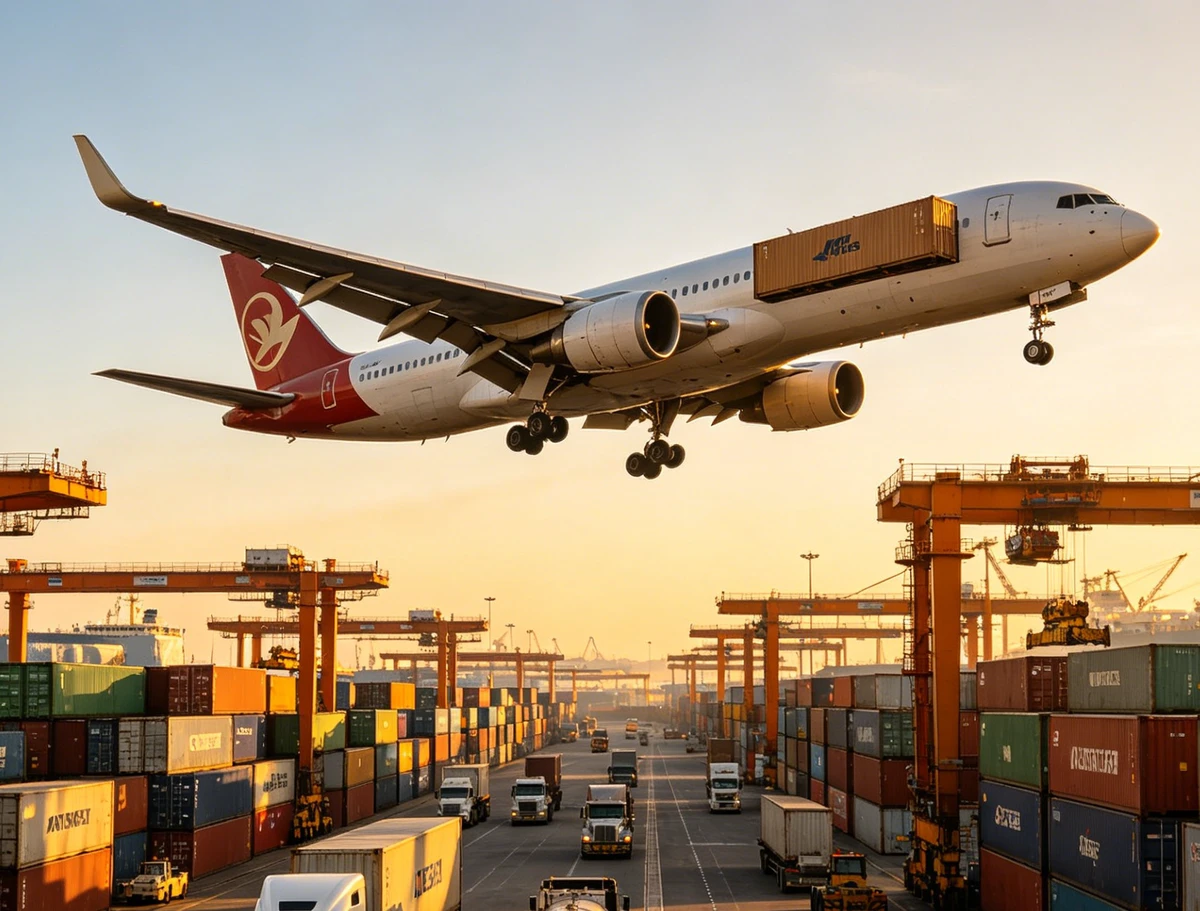 Are you tired of unexpected delays and hidden customs hold-ups eroding your profit margins when freight shipping from China to Mexico? In 2026, the booming trade relationship between these two manufacturing powerhouses—driven heavily by nearshoring trends, e-commerce expansion, and the automotive sector—has made supply chain efficiency more critical than ever. However, Mexican importers and global businesses often struggle with precise planning due to unpredictable transit times, fluctuating costs, and complex customs clearance procedures (Aduanas).
In this comprehensive guide, our team at Sinoshipment breaks down exact shipping times, costs, and processes for sea freight, air freight, express, and DDP services. Having managed thousands of TEUs and daily air cargo operations on this specific route, we will share first-hand, actionable insights to help you avoid delays and optimize your China-Mexico logistics.
(Disclaimer: Freight rates and transit times are highly dynamic and subject to global disruptions, fuel surcharges, and peak season capacity. The data provided reflects Q1 2026 market averages. Always request a real-time quote for your specific shipment.)
At a Glance: How Long Does Shipping Take from China to Mexico?
Shipping from China to Mexico takes anywhere from 2 to 45 days, depending on the transportation mode. Express air shipping is the fastest, taking 2 to 5 days. Standard air freight takes 3 to 8 days, while sea freight takes 20 to 45 days, depending on whether you choose Full Container Load (FCL), Less than Container Load (LCL), or Door-to-Door delivery.
Shipping Methods Comparison Table

To help you make a quick decision, here is a breakdown of the primary shipping methods, their estimated transit times, costs, and best use cases for 2026:
| Shipping Method | Estimated Transit Time | Cost Level | Best For… |
|---|---|---|---|
| Express Courier (DHL/FedEx) | 2 - 5 Days | $$$$ | High-value samples, urgent documents, very small parcels. |
| Standard Air Freight | 3 - 8 Days | $$$ | Electronics, urgent stock replenishment, high-value goods. |
| Sea Freight (FCL) | 20 - 35 Days | $ | Large volumes, heavy machinery, bulk wholesale orders. |
| Sea Freight (LCL) | 25 - 40 Days | $$ | Medium volumes (1-15 CBM) that don’t fill a whole container. |
| DDP (Air/Sea) | 5 - 40 Days | $\(-\)$$ | E-commerce sellers, SMEs lacking a Mexican import license. |
(Note: Transit times refer to general port-to-port or door-to-door estimates. Actual times may vary based on customs clearance and seasonal congestion.)
Sea Freight: Transit Times from China to Mexico by Ocean
Sea freight remains the most cost-effective and popular method for shipping goods from China to Mexico. Depending on your cargo volume and the specific ports used, transit times can range from 20 to 45 days.
FCL (Full Container Load) Transit Times
If you have enough cargo to fill a 20ft or 40ft container, FCL is your best option. The port-to-port transit time for FCL from major Chinese ports (like Shanghai or Shenzhen) to Mexican ports (like Manzanillo) is typically 20 to 35 days. Because the container is sealed at the factory and remains unopened until it reaches the destination, FCL is generally faster and more secure than LCL.
LCL (Less than Container Load) Transit Times
For cargo volumes between 1 and 15 CBM, LCL allows you to share container space with other importers. The transit time for LCL is usually 25 to 40 days. It takes slightly longer than FCL because the freight forwarder must consolidate the goods at the origin port and deconsolidate them at the destination port before final delivery.
Major Port Routes & Timelines
The specific routing significantly impacts how long ocean shipping takes:

- China Origin Ports: Shanghai, Ningbo, Shenzhen (Yantian), and Qingdao are the primary departure hubs.
- Mexico Destination Ports:
- Manzanillo: The busiest port on Mexico’s Pacific coast. Sailings here are frequent, typically taking 20-28 days.
- Lázaro Cárdenas: Often the fastest route from China, taking 18-25 days, known for deep-water access and excellent rail connectivity.
- Veracruz: Located on the Gulf Coast, shipments here take longer (often via the Panama Canal or rail landbridge), averaging 30-45 days.
Air Freight and Express Shipping Times
When speed is your absolute priority, air freight is the undisputed champion. Generally, Air Freight from China to Mexico takes between 2 and 8 days, heavily dependent on the type of service you select.
Standard Air Freight
Standard air freight generally takes 3 to 8 days. This time includes origin consolidation, the actual flight (often with layovers in the US or Europe), and destination customs clearance. It is the ideal choice for high-value items, fragile electronics, or urgent seasonal stock.
Key Airport Routes: Most air cargo departs from major Chinese hubs like Shanghai Pudong (PVG), Guangzhou (CAN), or Shenzhen (SZX). It typically arrives at Mexico City International Airport (MEX), Guadalajara (GDL), or Monterrey (MTY).
Express Shipping (Couriers)
For ultra-urgent shipments, express couriers like DHL, FedEx, and UPS offer the fastest door-to-door transit times, usually between 2 to 5 days. Because these couriers handle their own internal customs clearance processes, delays are minimized. However, this is the most expensive shipping method, strictly recommended for small parcels (under 150 kg), product samples, or critical documents.
DDP Shipping to Mexico: Time, Process, and Costs
DDP (Delivered Duty Paid) shipping to Mexico takes between 5 to 40 days depending on whether it is routed via air or sea. It is a fully inclusive service where the freight forwarder handles all transportation, customs clearance, and import taxes.
What is DDP and Why Does it Matter?
To import goods into Mexico conventionally, a business must have an active RFC (Registro Federal de Contribuyentes) and be registered in the Padrón de Importadores (Importer’s Register) through the Mexican Single Window for Foreign Trade (VUCEM). For many foreign e-commerce sellers, Amazon FBA merchants, and small local businesses, acquiring these licenses is a massive administrative hurdle that can halt supply chains for months.
DDP services bypass this complexity. The freight forwarder acts as the importer of record, paying all duties and VAT (IVA) on your behalf.
- Sea DDP Time: 25 - 40 days total (door-to-door).
- Air DDP Time: 5 - 10 days total (door-to-door).
This method provides highly predictable costs and times by eliminating unexpected customs hold-ups and hidden destination fees.
Key Factors That Affect Shipping Time to Mexico
Even with the best planning, shipping times from China to Mexico can be influenced by external factors ranging from strict regulatory protocols to extreme weather.
Mexican Customs Clearance (Aduanas)
Mexico’s customs authority (SAT/Aduanas) is notoriously strict. In our experience, if your documentation is perfect, customs clearance takes 1 to 3 days. However, if there are discrepancies, it can take weeks. Requirements like the mandatory Complemento Carta Porte (Waybill supplement) for inland transportation and NOM certificates (Normas Oficiales Mexicanas) for product safety and labeling must be prepared well in advance. Failure to comply with the latest SAT updates often leads to severe fines and cargo confiscation.
Peak Seasons & Holidays
Global shipping operates on a seasonal calendar. Expect delays and add a 1 to 2-week buffer to your transit times during:
- Chinese New Year (Jan/Feb): Factories close for weeks, causing massive cargo backlogs.
- Golden Week (October): A week-long Chinese national holiday.
- Q4 Holiday Rush (Oct-Dec): Peak season for Black Friday, Buen Fin, and Christmas inventory.
Weather & Port Congestion
Trans-Pacific shipments are occasionally delayed by typhoons in the South China Sea or hurricanes off the Mexican coast. Additionally, infrastructure bottlenecks at major hubs like Manzanillo can lead to vessel waiting times of several days before berthing.
How to Avoid Shipping Delays to Mexico (Expert Tips)
Proactive preparation is the key to smooth logistics. To prevent your cargo from being held up at origin or destination, follow these expert strategies.
- Flawless Documentation Prep: Ensure your Commercial Invoice, Packing List, and Bill of Lading are perfectly aligned. Even minor spelling errors or weight discrepancies can trigger a customs inspection in Mexico.
- Accurate HS Code Classification: Using the wrong Harmonized System (HS) code can result in heavy fines, delayed clearance, and incorrect duty payments. Always verify the 8-digit Mexican HS code (Fracción Arancelaria) with a licensed customs broker.
- Incoterms Strategy: Be clear on your Incoterms. We generally recommend FOB (Free on Board) for buyers who want control over their ocean freight costs, rather than EXW (Ex Works), which leaves you handling complex Chinese export customs.
- Advance Booking: During peak seasons, vessel space is at a premium. We recommend booking your shipment at least 2 to 3 weeks in advance to secure space and avoid carrier rollovers.
- Purchase Cargo Insurance: While insurance doesn’t prevent delays, it mitigates the severe financial risks associated with lost, damaged, or severely delayed cargo during long transit times.
FAQ
What is the fastest way to ship from China to Mexico? The fastest way is via Express Air Couriers (like DHL, FedEx, or UPS), which takes 2 to 5 days door-to-door. For slightly larger but urgent shipments, standard air freight takes 3 to 8 days.
How much does it cost to ship a 20ft container from China to Mexico? As of early 2026, shipping a 20ft container (FCL) from China to Mexico typically costs between $2,500 and $4,500 USD. However, rates fluctuate heavily based on seasonality, fuel surcharges (BAF), and carrier capacity.
Do I need an import license (Padrón de Importadores) to ship to Mexico? Yes, for standard commercial imports, Mexican law requires you to be registered in the Padrón de Importadores. If you do not have this, you must use a DDP service or a trading company (Comercializadora) to clear the goods for you.
Why is my LCL shipment taking longer than FCL? LCL shipments take an average of 5 to 10 days longer than FCL because the freight forwarder must consolidate multiple shipments into one container at the origin port, and then deconsolidate (unpack and sort) them at the destination port before final delivery.
Why Choose Sinoshipment for Shipping to Mexico?
Navigating the logistics corridor between China and Mexico requires more than just booking a vessel—it demands deep expertise in Mexican import compliance and robust supply chain networks. Here is why Sinoshipment is your ideal freight forwarding partner:
- Expertise in Mexican Customs: Our team deeply understands the complexities of Mexico’s import regulations (NOMs, Carta Porte, RFCs). We ensure your goods pass through Aduanas smoothly without unnecessary delays or fines.
- Flexible & Reliable Routing: We secure premium space on top-tier ocean vessels and airlines, offering stable transit times from all major Chinese hubs to Manzanillo, Lázaro Cárdenas, and MEX.
- Tailored DDP Solutions: Whether you are an Amazon FBA seller, a Mercado Libre merchant, or an SME without an import license, our hassle-free DDP door-to-door services take the stress out of cross-border trade.
- End-to-End Visibility: We provide comprehensive tracking from your supplier’s factory floor in China right to your warehouse distribution center in Mexico.
You may be interested in the following related shipping routes:
- Freight Shipping From China to Angola
- Freight Shipping from China to Malaysia
- Freight Shipping from China to Venezuela
- Freight Shipping from China to Yemen
- Freight Shipping from China to Israel
Conclusion
Understanding how long shipping takes from China to Mexico is the foundation of a resilient supply chain. While express air freight can deliver your goods in as little as 2 to 5 days, sea freight remains the backbone of international trade, offering cost-effective transit times of 20 to 45 days. Balancing your budget constraints with your urgency is crucial, as is preparing your customs documentation meticulously to avoid Mexican port delays.
Ready to streamline your supply chain and cut logistics costs from China to Mexico? Contact Sinoshipment today for a customized quote and expert logistics planning tailored to your business needs.