How the Strait of Hormuz Stalemate Impacts Shipping from China (2026 Update)
· By SinoShipment
Are you tired of watching unpredictable geopolitical events erode your profit margins and ruin your delivery schedules when shipping from China?
The recent escalation in the Middle East has led to a crippling stalemate in the Strait of Hormuz, causing a dramatic drop in daily vessel passages from 150 to just 9. For international buyers importing goods from China, this naval blockade translates directly into skyrocketing fuel costs, surging insurance premiums, and unpredictable transit delays.
In this comprehensive guide, we will explain the direct impact of the April 2026 Hormuz crisis on global supply chains and provide actionable strategies to mitigate shipping risks and control your logistics costs.
Key Takeaways
- Severe Disruption: Daily vessel passages through the Strait of Hormuz dropped from 150 to 9 in April 2026 due to naval blockades and mine deployments.
- Cost Increases: Expect immediate spikes in War Risk Surcharges and Bunker Adjustment Factors (BAF) across major shipping lanes.
- Transit Delays: Rerouting vessels around the Cape of Good Hope adds 10 to 14 days to standard transit times from China to Europe and the Middle East.
- Equipment Shortages: Stranded vessels have led to a severe shortage of empty shipping containers at major Chinese ports like Shenzhen, Shanghai, and Ningbo.
- Alternative Strategies: Utilize Air Freight, Sea-Air Multimodal transport, or the China-Europe Railway Express to bypass maritime bottlenecks.
The Strait of Hormuz Crisis: What Happened?
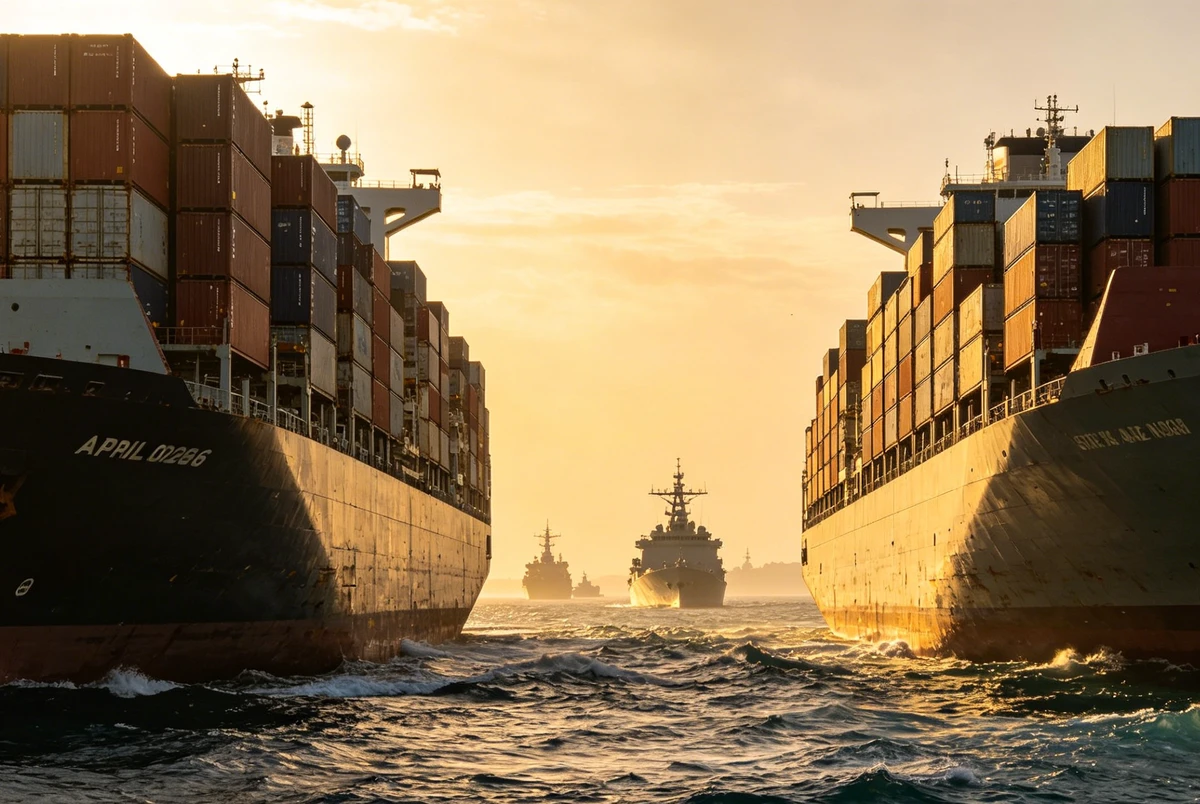
As of April 2026, the Strait of Hormuz is under an effective blockade due to military operations and the deployment of naval mines. With shipping traffic paralyzed and international negotiations in Islamabad ongoing, global energy and freight markets are experiencing severe disruptions.
The Event
Following the recent military escalation between the U.S. and Iran, the strategic Strait of Hormuz has become a dangerous chokepoint. According to recent reports from the Wall Street Journal and international intelligence agencies, the defensive deployment of naval mines has made clearing the waterway extremely complex. This has forced the majority of commercial vessels to halt operations in the area, waiting for safe passage guarantees.

The Ripple Effect on China Exports
While the conflict is localized in the Middle East, its impact on global shipping is profound. The blockade traps vessels that would normally cycle back to Asia, disrupting global vessel availability. This creates a severe imbalance in container turnaround times. When ships are delayed or stuck, empty containers fail to return to China’s manufacturing hubs, creatingcreates a bottleneck right at the source of global exports.
Impact on Freight Costs and Transit Times
The Hormuz stalemate directly increases shipping costs from China due to soaring war risk insurance premiums and higher bunker fuel prices. Transit times are also extended by 10 to 14 days as carriers reroute vessels to avoid the danger zone.
Freight Rate Spikes
The immediate consequence of the blockade is a surge in global oil prices, which shipping lines pass directly to importers through higher Bunker Adjustment Factors (BAF). Furthermore, any vessel still operating near the conflict zone faces astronomical War Risk Insurance premiums. As leading shipping associations like BIMCO consistently report, sudden closures of strategic chokepoints trigger cascading emergency risk surcharges across the entire logistics network, forcing carriers to offset uninsurable risks on all cargo heading to the Middle East and Europe.
Transit Time Delays
To avoid the mine-laden waters and military risks of the Strait of Hormuz and the Red Sea, major carriers have diverted their vessels around the Cape of Good Hope. As highlighted by analyses from the United Nations Conference on Trade and Development (UNCTAD), such extensive maritime rerouting not only inflates costs but severely constrains global vessel capacity.
| Route | Standard Transit Time | Current Transit Time (Rerouted) | Delay Impact |
|---|---|---|---|
| China to Middle East (Dubai) | 15 - 20 Days | 25 - 35 Days | +10 to 15 Days |
| China to Europe (Rotterdam) | 30 - 35 Days | 40 - 50 Days | +10 to 15 Days |
| China to US East Coast | 30 - 35 Days | 35 - 40 Days | +5 Days (Due to congestion) |
This rerouting not only extends the journey but also causes vessel bunching—where multiple delayed ships arrive at destination ports simultaneously, triggering severe port congestion in Europe and Asia.

Equipment Shortages at Chinese Ports
Based on our Sinoshipment logistics team’s direct experience managing thousands of TEUs during similar maritime crises, the most insidious effect of such a blockade is the equipment shortage. Because vessels are taking 20-30% longer to complete their round trips, the return of empty containers to China is delayed. Currently, major Chinese ports—including Shenzhen (Yantian), Shanghai, and Ningbo—are experiencing critical shortages of 40HC (High Cube) containers, driving up equipment guarantee fees.
Alternative Shipping Solutions: How to Keep Your Supply Chain Moving
To navigate the Hormuz crisis, importers should diversify their logistics strategies. Reliable alternatives include utilizing Air Freight for high-value goods, Sea-Air combined transport, and leveraging the China-Europe Railway Express to bypass maritime bottlenecks.

Air Freight (Fastest but Costly)
For urgent shipments, high-margin goods, or stock required to maintain Amazon FBA inventory levels, Air Freight remains the most reliable option. While rates have increased due to higher aviation fuel costs, air transport entirely bypasses the maritime chokepoints, ensuring delivery from China to global destinations in 3 to 7 days.
Sea-Air Multimodal Transport
A highly effective strategy during maritime crises is Sea-Air multimodal transport. This involves shipping goods via ocean freight from China to a safe, unaffected transit hub (such as Singapore or Los Angeles, depending on the final destination), and then flying the cargo the rest of the way. This method perfectly balances the high cost of pure air freight with the severe delays of pure ocean freight.
China-Europe Railway Express
For European buyers, the China-Europe Railway Express offers a secure overland alternative. This rail network completely avoids the Middle Eastern maritime choke points. Transit times from Chinese rail hubs (like Xi’an or Chengdu) to major European cities (like Duisburg or Warsaw) average 15 to 20 days, offering a stable and predictable supply chain route.
Inventory Planning
As of mid-2026, importers must adjust their lead times. We strongly advise increasing safety stock by at least 20% and booking freight space 3 to 4 weeks in advance to secure equipment before the upcoming peak season.
FAQ: Navigating the 2026 Shipping Crisis
How long will the Strait of Hormuz blockade last? Given the complex nature of the naval mines and ongoing diplomatic negotiations in Islamabad, the timeline for a full reopening remains highly uncertain. Importers should plan for long-term disruption lasting at least through the third quarter of 2026.
Will my existing shipping contracts cover the new surcharges? Most standard shipping contracts include “Force Majeure” clauses. Carriers are legally permitted to apply emergency risk surcharges and increased BAF outside of contracted rates during such unprecedented geopolitical events.
Are all shipping lanes from China affected? While routes for freight shipping from China to Middle East and Freight Shipping from China to Europe bear the direct brunt of the delays, freight shipping from China to USA (West Coast) is also indirectly affected. The global misallocation of vessels and empty containers impacts capacity and pricing across all international lanes.
Why Choose Sinoshipment During Global Disruptions?
When global supply chains break down, having an experienced freight forwarding partner is the difference between surviving and thriving.
- Agile Route Planning: Our logistics experts actively monitor global chokepoints and proactively reroute cargo to minimize delays, utilizing our extensive Sea-Air and Railway networks.
- Guaranteed Space & Equipment: With over a decade of experience and deep-rooted relationships with premium carriers, we secure container space and empty equipment at Chinese ports even during severe shortages.
- Transparent Pricing: We believe in absolute transparency. Sinoshipment provides clear, upfront breakdowns of all emergency surcharges, BAF increases, and offers the most cost-effective multimodal alternatives without hidden fees.
Conclusion
The 2026 Strait of Hormuz stalemate is a stark reminder of the fragility of global maritime supply chains. With vessel passages plummeting and costs rising, proactive planning and flexible routing are no longer optional—they are essential for survival. By diversifying your transport modes and adjusting your inventory strategies, you can protect your profit margins.
Don’t let geopolitical tensions derail your business operations. Contact Sinoshipment today for a customized logistics risk assessment, and let our experts secure your freight space and optimize your supply chain for the challenges ahead.
(Disclaimer: Shipping rates, transit times, and geopolitical conditions are highly volatile. All information is based on the situation as of April 2026. Please consult our logistics experts for real-time updates.)