LCL Consolidation From China to Iran: The Complete 2026 Cost & Transit Guide
· By SinoShipment
If you are moving anything between 1 and 15 cubic meters (CBM) from China to Iran, LCL consolidation from China to Iran is usually the smartest way to keep your freight cost low without renting an entire container you cannot fill. Yet many buyers still overpay, either because they book the wrong mode or because they get hit by hidden destination charges that were never explained in the original quote.
This guide is built for B2B importers, e-commerce sellers, and distributors who need a clear, data-driven answer to three questions: What does LCL consolidation actually cost from China to Iran? How long does it take? And what paperwork and compliance steps are required to clear customs without surprises? At Sinoshipment, we have been helping buyers move consolidated cargo from Shenzhen, Guangzhou, Shanghai, and Ningbo to Bandar Abbas, Tehran, and beyond since 2013. Below is exactly what we have learned after managing thousands of China-to-Iran shipments.
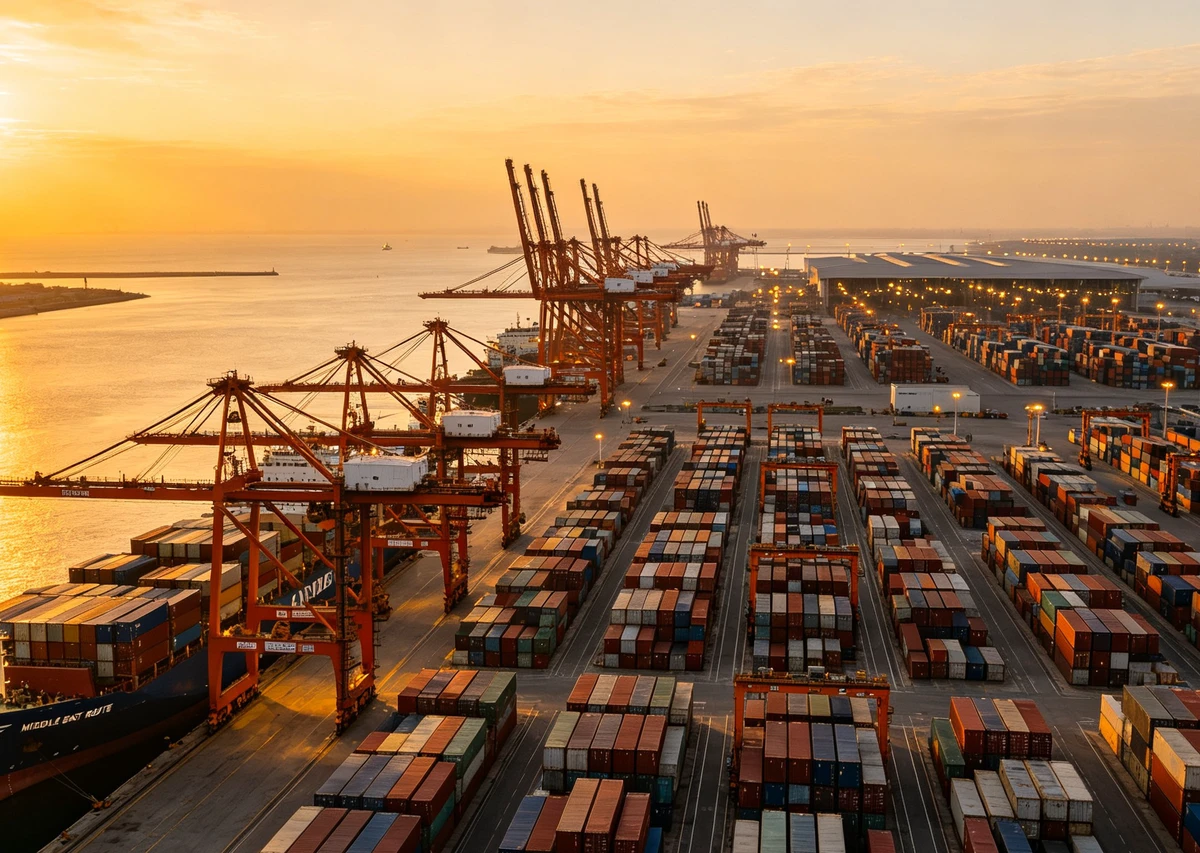
1. What Is LCL Consolidation from China to Iran?
LCL (Less than Container Load) means your cargo shares a standard 20ft or 40ft container with other shippers. Instead of paying for the whole box, you pay only for the space or weight you use. A freight forwarder or consolidator collects cargo from multiple suppliers, packs it into one container at a Container Freight Station (CFS), ships it to the destination port, and then splits it back out at the destination CFS.
In the Middle East and Europe, this is also called groupage cargo. For Iran, the concept is the same: your pallets sit alongside other goods in a shared container bound for Bandar Abbas, Iran’s main commercial gateway.
Key terms to know before you book:
- CBM: cubic meter, the standard unit for LCL pricing.
- Chargeable weight: LCL carriers charge whichever is greater — actual weight or volume. The standard rule is 1 CBM = 1,000 kg.
- House B/L: the bill of lading the consolidator gives you for your share of the cargo.
- Master B/L: the single bill of lading the shipping line issues to the consolidator for the entire container.
- CFS: Container Freight Station, where consolidation and deconsolidation happen.
- CY-CFS / CFS-CFS / CFS-CY: these define where the forwarder’s responsibility starts and ends. CFS-CFS (warehouse to warehouse) is the most common LCL option for Iran.
LCL becomes the right fit when your shipment is between 1 CBM and roughly 15 CBM, is not extremely urgent, and especially when you are sourcing from multiple suppliers who can all deliver to the same Chinese consolidation warehouse.
Our Industry Insight: In our Shenzhen consolidation warehouse, we regularly see buyers save 30–50% compared with air freight simply by combining two or three small supplier batches into one weekly LCL sailing to Bandar Abbas. The savings are even larger during peak air-freight seasons when per-kilogram rates spike.
2. LCL vs FCL: Which Should You Choose for Iran?
The decision is mostly a math problem based on volume, security, and timing.
| Factor | LCL (Less than Container Load) | FCL (Full Container Load) |
|---|---|---|
| Best volume | 1 – ~15 CBM | >15 CBM |
| Cost per unit | Higher per CBM, but no wasted space | Lower per CBM when the container is full |
| Security | More handling, but safe if packed well | Single shipper, less handling, lower damage risk |
| Flexibility | Easy to combine multiple suppliers | Best for one supplier or one large batch |
| Transit time | 30–45 days door-to-CFS | 22–30 days port-to-port |
| Customs risk | Cargo pooled at CFS; one hold can delay the container | Container cleared as one unit; generally fewer holds |
| Typical Iran use | Samples, mixed retail, electronics accessories, small machinery | Bulk commodities, construction materials, full production runs |
For most China-to-Iran routes, the break-even point sits around 12–15 CBM. Above that, FCL usually becomes cheaper and safer because the fixed cost of the container is spread over more cargo. However, LCL can still win if you have multiple suppliers, irregular carton dimensions, or goods that cannot safely fill an entire box. For a full-container comparison on a nearby route, see our guide to fcl shipping from china to Iraq.
Real-Life Scenario: A Tehran-based importer of LED lighting was shipping 18 CBM and assumed FCL was cheaper. By consolidating everything into one LCL consolidation from China to Iran shipment through our Nansha warehouse, they avoided paying for 4–5 CBM of dead space, simplified their paperwork, and still saved on total cost.
3. How Much Does LCL Consolidation from China to Iran Cost?
In 2026, realistic LCL shipping cost from China to Iran ranges from roughly $80 to $150 per CBM from major Chinese ports to Bandar Abbas, depending on origin, fuel surcharges, cargo type, and whether the quote is port-to-port or includes destination services.
| Origin (China) | Destination (Iran) | LCL Cost per CBM | Notes |
|---|---|---|---|
| Shanghai | Bandar Abbas | $85 – $140 | High volume, competitive rates |
| Ningbo | Bandar Abbas | $85 – $145 | Close to Shanghai in pricing, good for East China suppliers |
| Shenzhen | Bandar Abbas | $90 – $150 | Electronics hub, strong consolidation demand |
| Guangzhou | Bandar Abbas | $90 – $145 | Good for furniture, textiles, and home goods |
| Qingdao | Bandar Abbas | $95 – $155 | Fewer direct consolidations, slightly higher rates |
| Xiamen | Bandar Abbas | $95 – $150 | Useful for Fujian suppliers |
These rates are the ocean/CFS portion only. A complete landed cost includes several layers:
| Cost Layer | Typical Items | Estimate |
|---|---|---|
| Origin charges | Pickup, warehouse receiving, consolidation, loading, China export customs, documentation | $50 – $150 per shipment |
| Ocean freight | CBM or chargeable-weight rate from China to Bandar Abbas | $80 – $150 per CBM |
| Destination charges | CFS deconsolidation, THC, unloading, storage, documentation | $80 – $180 per CBM |
| Iran customs | Duties (5–40%+), 9% VAT, and possible CBT | Based on HS code + CIF value |
| Inland delivery | Trucking from Bandar Abbas to Tehran, Isfahan, Shiraz, Mashhad, etc. | Varies by distance |
Common fees buyers forget to ask about:
- Minimum chargeable 1 CBM: even if your cargo is 0.5 CBM, you often pay for 1 CBM.
- Overweight surcharges: when actual weight exceeds the 1 CBM = 1,000 kg ratio.
- BAF/CAF: bunker adjustment and currency adjustment fees.
- Demurrage and storage: if cargo sits too long at the destination CFS.
- Re-weighing or re-measurement fees: if the carrier disputes the declared volume.
Example Cost Snapshot: A 3.5 CBM, 1,200 kg electronics shipment from Shenzhen to Bandar Abbas might run roughly $320–$530 in ocean/CFS/destination charges, plus duties and inland delivery. This is a non-binding estimate, but it shows why asking for an itemized total landed cost quote matters.
At Sinoshipment, we provide itemized quotes for LCL consolidation from China to Iran with no hidden destination fees. If you prefer simplicity, we also offer an optional DDP option so you receive one invoice and one point of contact.
4. How Long Does LCL Shipping Take from China to Iran?
Most LCL consolidation from China to Iran shipments take 30 to 45 days from supplier pickup to the Bandar Abbas destination CFS. That is longer than FCL because of the extra steps at both ends: collecting cargo, waiting for co-loading, deconsolidation, and pooled customs processing.
| Origin (China) | Destination (Iran) | Estimated Transit Time |
|---|---|---|
| Shanghai | Bandar Abbas | 25–35 days |
| Ningbo | Bandar Abbas | 25–35 days |
| Shenzhen | Bandar Abbas | 30–40 days |
| Guangzhou | Bandar Abbas | 30–40 days |
| Shanghai | Bushehr | 25–35 days |
| Shenzhen | Bandar Imam Khomeini | 30–40 days |
Direct sailings are available from Shanghai, Ningbo, Shenzhen, and Guangzhou. Some routes move via transshipment through Dubai or Jebel Ali, which can add a few days but sometimes offers better sailing schedules.
After the container arrives at Bandar Abbas, inland trucking times are roughly:
| From Bandar Abbas to | Road Time |
|---|---|
| Tehran | 12–15 hours |
| Shiraz | 6–8 hours |
| Isfahan | 8–10 hours |
| Mashhad | 16–18 hours |
Our Industry Insight: We recommend adding a 5–10 day buffer during Chinese New Year, the Ramadan period, or whenever the Strait of Hormuz sees unusual congestion. For live context on regional disruptions, read our Middle East Shipping Crisis briefing. Iran-bound shipments can also be slowed by sanctions-related banking delays or customs document reviews, so it pays to plan for the upper end of the range.
5. How LCL Consolidation from China to Iran Works (Step-by-Step)
Here is the full chain from your supplier to your warehouse in Iran:
- Booking and document collection. You share commercial invoices, packing lists, and HS codes for each supplier.
- Supplier delivery or pickup. Cargo is collected from each supplier and delivered to the consolidation warehouse — usually in Shenzhen, Guangzhou, Shanghai, or Ningbo.
- Warehouse receiving and inspection. The forwarder checks carton count, labels, and packaging. If needed, cartons are re-packed or reinforced to survive shared loading.
- China export customs declaration. The consolidator files a single export declaration and issues a House B/L to you while keeping the Master B/L for the full container.
- Container stuffing and sailing. The container is loaded at the origin CFS and sailed to Bandar Abbas, either directly or via transshipment.
- Deconsolidation at destination CFS. The container is unloaded and your cargo is separated from the other shippers’ cargo.
- Iran import customs clearance. For LCL, cargo is often cleared in a pooled process. Registration with the Ministry of Industry, Mine, and Trade may be required.
- Inland delivery. Cargo is trucked to Tehran, Shiraz, Isfahan, Mashhad, or handed to your nominated consignee.
The freight forwarder / consolidator is your single point of contact across all of these steps, which is especially valuable when you have multiple suppliers feeding into one shipment.
6. Documents Required for LCL Shipping to Iran
Getting paperwork right is the fastest way to avoid customs holds. You will need:
China export documents:
- Commercial Invoice
- Packing List
- Bill of Lading (House B/L)
- Certificate of Origin (CO or Form A)
- Export Customs Declaration
- Fumigation Certificate (if wooden packaging is used)
- MSDS or transportation identification (for batteries, liquids, powders, or chemicals)
Iran import documents:
- Original B/L
- Commercial Invoice and Packing List
- Certificate of Origin
- Import License (for regulated goods)
- Iran Standard Certificate / COI (Certificate of Inspection) for certain products
- Proforma Invoice
- Valid importer tax ID and commercial registration
Because LCL cargo is pooled, one document mismatch can delay the entire container. We always recommend having your forwarder pre-check invoices, HS codes, and packaging descriptions before the container is stuffed.
7. Iran Customs Clearance for LCL Cargo: What to Expect
**IRICA (Iran Customs Administration) uses an electronic declaration system, but the customs clearance process is still document-heavy. For LCL, shipments are often cleared as a group at the CFS, which means a hold on one shipper’s cargo can affect everyone else in the container.
Key customs facts:
- Customs duties: typically 5–40%+, depending on the HS code.
- VAT: 9% on most imported goods, applied to CIF value plus duties.
- Commercial Benefit Tax (CBT): often around 4% on imports.
- Clearance time: 3–10 days for compliant shipments, but longer if documents are questioned.
- Ministry registration: some LCL imports must be registered with the Ministry of Industry, Mine, and Trade before entering the port.
The most common delays we see come from:
- Incorrect HS code classification
- Invoice values that do not match market expectations
- Missing import license or COI
- Restricted or dual-use goods flagged during inspection
- Sanctions-related payment delays that slow release
Our Industry Insight: Working with a licensed Iranian customs broker is not mandatory, but it is the single best way to avoid surprises. At Sinoshipment, we coordinate the customs broker before the vessel arrives so that declarations are ready the day the cargo hits the Bandar Abbas CFS.
8. Sanctions, Banking, and Compliance for China-to-Iran LCL
International sanctions create real complexity for LCL shipping to Iran, especially around banking, insurance, and carrier selection. However, legitimate commercial cargo still moves every day through experienced freight forwarders who understand how to route and document shipments properly.
Practical considerations include:
- Payment channels: many buyers use RMB/CNY settlement, letters of credit, or third-country intermediaries to reduce banking friction.
- Cargo insurance: some global insurers limit Iran coverage, but regional and specialized marine cargo policies are available.
- Carrier routing: direct lines and transshipment options both exist; the right choice depends on the current shipping line network and your cargo type.
- Compliance screening: know your product’s HS code, end-use, and whether it falls under any restricted category.
Disclaimer: This section is not legal advice. Every importer should verify sanctions, banking, and compliance requirements with their own legal and financial advisors before shipping to Iran.
9. Common Mistakes to Avoid When Booking LCL to Iran
- Ignoring the 1 CBM minimum. Even 0.6 CBM is often billed as 1 CBM.
- Forgetting chargeable weight. A light but bulky shipment can be charged by volume; a heavy but small shipment can be charged by weight.
- Not asking for total landed cost. Some quotes hide destination CFS fees until the cargo arrives.
- Weak packaging. Shared containers mean more handling. Double-wall cartons and proper palletizing matter.
- Skipping compliance checks. Missing an import license or COI can mean weeks of delay.
- Choosing a forwarder with no Iran experience. The route has specific document, customs, and banking quirks.
- Ignoring seasonality. Chinese New Year, Ramadan, and Hormuz-related route disruptions can all extend transit.
- Skipping insurance. Small shipments are still valuable shipments.
10. Why Choose Sinoshipment for LCL Consolidation from China to Iran?
Sinoshipment is a professional freight forwarder from China based in Shenzhen, the heart of South China’s manufacturing and export ecosystem. Since 2013, we have served more than 5,000 customers across the Middle East, Europe, the Americas, Africa, Asia, and Oceania.
For LCL consolidation from China to Iran, we offer:
- Weekly LCL consolidation from Shenzhen, Guangzhou, Shanghai, and Ningbo to Bandar Abbas
- Optional inland delivery to Tehran, Shiraz, Isfahan, Mashhad, and other cities
- Transparent, itemized quotes with no hidden destination fees
- Optional DDP for one-invoice simplicity
- Supplier pickup, warehouse consolidation, export customs, ocean freight, Iran import clearance, and cargo insurance
- Multilingual support and fast customer response
If you are ready to move a consolidated shipment from China to Iran, contact us for a tailored quote and let our team handle the rest.
11. FAQ
What is the cheapest way to ship small cargo from China to Iran? For shipments under 15 CBM, LCL consolidation is usually the cheapest option. For samples under 1 CBM, express courier may be more practical.
How is LCL chargeable weight calculated for Iran shipments? Carriers compare actual weight and volume. The standard rule is 1 CBM = 1,000 kg. You pay whichever is greater.
How long does LCL consolidation from China to Iran take? Typically 30–45 days from supplier pickup to Bandar Abbas CFS, plus inland delivery time.
What is the minimum CBM for LCL shipping to Iran? Most consolidators charge a minimum of 1 CBM.
Can I ship LCL from China to Tehran directly? There is no direct sea port in Tehran. Cargo ships to Bandar Abbas, then moves by truck or rail to Tehran.
What documents are needed for LCL customs clearance in Iran? Commercial invoice, packing list, B/L, certificate of origin, import license or COI (if required), and valid importer registration.
Is DDP available for LCL shipments from China to Iran? Yes. Sinoshipment offers DDP options so you receive a single quote covering pickup, freight, customs, duties, and delivery.
How do sanctions affect LCL shipping to Iran? Sanctions add complexity to banking, insurance, and carrier selection, but legitimate commercial cargo can still move with proper documentation and routing.
Can I consolidate cargo from multiple suppliers into one LCL shipment? Yes. This is one of the biggest advantages of LCL consolidation.
Should I buy cargo insurance for LCL shipments to Iran? Yes. Consolidated cargo is handled more frequently, so insurance is a sensible risk control.
12. Conclusion
LCL consolidation from China to Iran is the most cost-effective option for shipments between 1 and 15 CBM, as long as you understand CBM pricing, chargeable weight, and the full landed cost. The key is to work with a freight forwarder who knows the Iran route well, pre-checks your documents, and gives you an itemized quote rather than a headline rate.
If you want a tailored quote for your next shipment, contact Sinoshipment today. Our Shenzhen-based team will walk you through the best origin port, consolidation plan, and delivery option for your cargo.