How to Ship Electronics from China to Iran: The Ultimate 2026 Guide (FCL, LCL & DDP)
· By SinoShipment
The booming demand for consumer electronics and B2B tech components in Iran makes importing from China highly profitable. However, navigating strict customs regulations and complex battery shipping rules often leads to expensive delays. If you are looking for the cheapest way to ship electronics from China to Iran, you must balance cost, speed, and compliance. Importers frequently struggle with UN3481 battery compliance, unpredictable customs duties ranging from 0% to 50%, and finding reliable Door-to-Door (DDP) solutions.
This comprehensive guide covers everything you need to know about shipping electronics from China to Iran. From comparing air versus sea freight transit times and handling lithium batteries, to expertly navigating Iranian customs and safely utilizing the Dubai transit route, we provide actionable insights to streamline your supply chain.
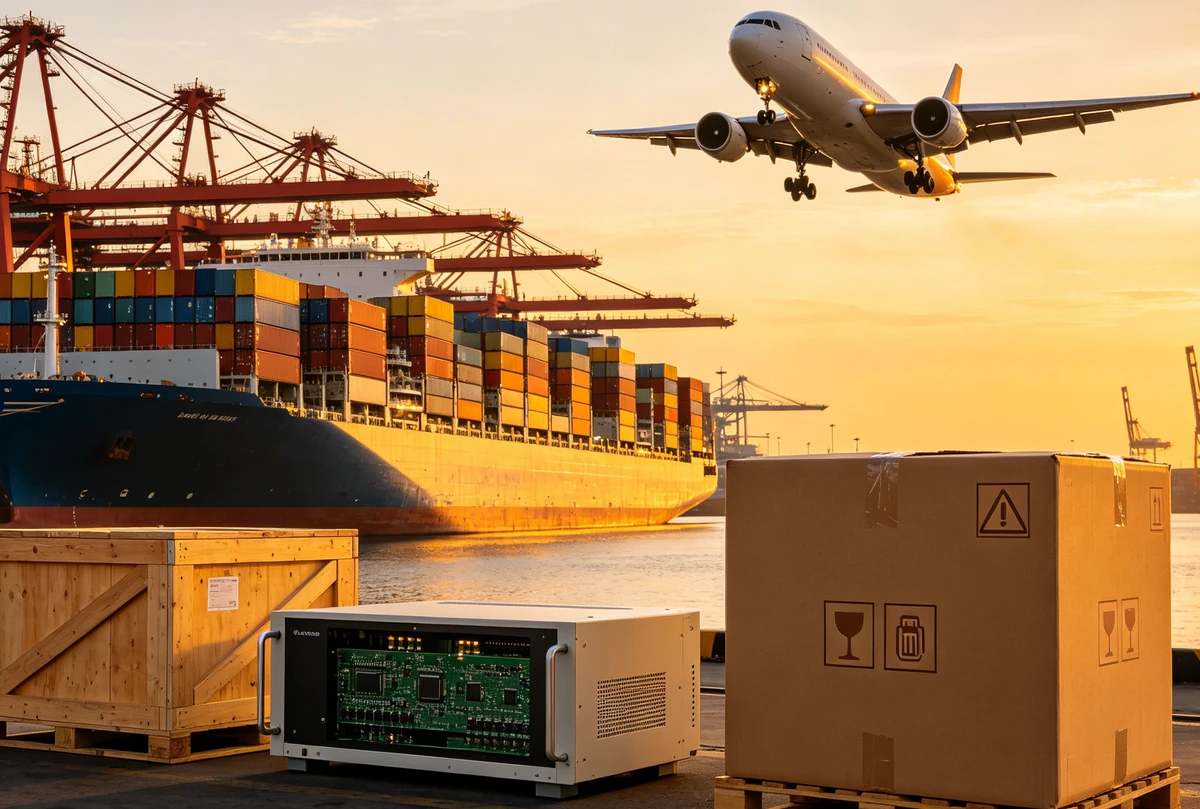
Choosing the Best Shipping Method for Electronics
Selecting the right logistics strategy depends entirely on your budget, urgency, and cargo volume. Here are the primary options for tech gadgets import logistics.
Air Freight from Shenzhen to Tehran (IKA)
When speed is your top priority, Air Freight is the optimal choice. With transit times averaging 3-7 days, it is ideal for high-value consumer electronics like smartphones, laptops, and time-sensitive tech components. Direct flights from major manufacturing hubs like Shenzhen and Guangzhou to Imam Khomeini International Airport (IKA) ensure your fragile goods arrive quickly and securely, minimizing the risk of damage or theft.
Sea Freight (FCL vs LCL) to Bandar Abbas
For B2B wholesale electronics and bulky industrial components, Sea Freight remains the most cost-effective method. As a core component of freight shipping from China to Iran, transit times typically range from 30 to 40 days from Chinese ports (such as Shanghai, Ningbo, or Shenzhen) to Bandar Abbas.
- LCL shipping electronics: If your cargo volume is under 15 CBM, Less than Container Load (LCL) allows you to share container space, reducing costs for smaller trial orders.
- FCL electronics shipping: For volumes exceeding 15 CBM, booking a Full Container Load (FCL) provides better security and faster loading/unloading, as your goods remain sealed from origin to destination.
DDP Shipping China to Iran Electronics
For e-commerce sellers and importers seeking a hassle-free experience, Door-to-Door Service (DDP) is invaluable. A comprehensive DDP shipping solution covers everything: factory pickup in China, export clearance, international freight, import customs clearance in Iran, tax payments, and final delivery to your warehouse. This ensures predictable pricing with no hidden fees.
The Dubai Transit Strategy (Cross-Trade Logistics)
Given the complexities of international trade regulations, routing shipments through a third-party hub is a common and effective strategy for freight shipping from China to Middle East.
Why Use Dubai (Jebel Ali)
Utilizing the UAE, specifically the Jebel Ali port in Dubai, serves as a strategic distribution hub. Importers often leverage air freight from China to UAE or sea freight to position their inventory. This cross-trade logistics approach helps overcome logistical challenges and simplifies the process of shipping restricted or sensitive tech imports into Iran.
Re-export & Documentation
A critical component of the Dubai transit route is document management. Experienced forwarders handle Bill of Lading (B/L) switches and cross-packing securely in Dubai. This ensures that the commercial invoice for electronics and other re-export documentation comply with both UAE export laws and Iranian import requirements, ensuring a smooth transition across the Persian Gulf to Bandar Abbas.
Crucial Rules for Shipping Lithium Battery Electronics
Shipping devices that contain batteries is heavily regulated to prevent fire hazards during transit. Compliance is non-negotiable.
UN3481 & UN3480 Regulations
Whether you are using air freight electronics from Shenzhen to Tehran or sea freight, you must adhere to international dangerous goods regulations. UN3481 applies to lithium-ion batteries contained in or packed with equipment (like smartphones or laptops), while UN3480 applies to standalone lithium-ion batteries. Air freight has stricter limitations on battery charge levels and packaging compared to sea freight.
Essential Documents
To clear Chinese export customs and airline security, you must provide:
- MSDS (Material Safety Data Sheet): Details the chemical composition and handling procedures.
- UN38.3 Testing Report: Proves the batteries have passed rigorous safety tests simulating transport conditions.
Packaging Best Practices
Proper packaging prevents electrostatic discharge (ESD) and physical damage. Use anti-static bags, robust cushioning, and ensure the outer cartons bear the correct hazard labels indicating the presence of lithium batteries. Waterproofing is also highly recommended for sea freight to protect against moisture during the 30-40 day voyage.
Navigating Iran Customs for Electronics Imports
Customs clearance for electronics in Iran requires meticulous preparation to avoid cargo holds at the “Red Route.”
Common HS Codes & Tariffs
Iran customs tariffs for electronics are determined by the HS Codes. Accurately classifying your goods is vital, as import duties can range dramatically from 0% for essential industrial tech to over 50% for consumer goods manufactured locally. For instance, smartphones and laptops will have different tariff rates than raw circuit boards.
Taxes (VAT)
In addition to import duties, the Iranian government levies a standard Value Added Tax (VAT) on imported goods. Currently, a 9% VAT is applied to most consumer electronics entering the country.
Required Clearance Documents
To ensure smooth customs clearance, your freight forwarder China to Iran will need:
- Commercial Invoice
- Packing List
- Certificate of Origin (CO)
- Bill of Lading (B/L) or Airway Bill (AWB)
- Iranian Commercial Card: A mandatory license issued by the Iranian Chamber of Commerce, required for the importer of record to clear commercial shipments.
Transit Times and Cost Breakdown
Understanding the cost structure helps you choose the most profitable shipping strategy, especially when considering how the May 2026 US-Iran tensions impact shipping costs from China.
| Shipping Method | Average Transit Time | Cost Structure & Best Use Case |
|---|---|---|
| Air Freight (to IKA) | 3 - 7 Days | Highest cost (charged per kg/volumetric weight). Best for urgent, high-value tech gadgets. |
| Sea Freight FCL (to Bandar Abbas) | 30 - 40 Days | Fixed rate per 20ft/40ft container. Lowest cost per unit for bulk B2B electronics shipping. |
| Sea Freight LCL (to Bandar Abbas) | 30 - 45 Days | Charged per CBM. Ideal for mid-sized shipments under 15 CBM. |
| Door-to-Door (DDP) | Varies by mode | All-inclusive pricing covering freight, duties, and taxes. Best for hassle-free delivery. |
Cargo Insurance
Given the high value and fragile nature of electronics, Cargo Insurance is absolutely essential. It protects your investment against theft, loss, or damage during transit. Premiums are typically calculated as a small percentage (often around 0.3% to 0.5%) of the commercial value plus freight costs (CIF value).
FAQ: Shipping Electronics to Iran
What is the cheapest way to ship electronics from China to Iran? Sea freight (specifically FCL for large volumes) is the cheapest method. While it takes 30-40 days, the cost per unit is significantly lower than air freight, making it ideal for bulk consumer electronics import to Iran.
Can I ship power banks or standalone batteries to Tehran? Yes, but they are classified as dangerous goods (UN3480). They require specialized handling, strict UN38.3 certifications, and specific carrier approvals. Many airlines restrict standalone batteries, making sea freight the more viable option.
How long does customs clearance for electronics take in Iran? If all documentation (Commercial Invoice, CO, MSDS, Commercial Card) is accurate and duties are paid promptly, clearance typically takes 3 to 7 days. Incorrect HS codes or missing battery certificates can cause weeks of delays.
Do I need an import license to bring consumer electronics into Iran? Yes, commercial importers must possess a valid Commercial Card issued by the Iranian Chamber of Commerce. Specific electronics may also require approval from relevant Iranian ministries.
Conclusion
Successfully shipping electronics from China to Iran requires balancing speed, cost, and strict compliance. Whether you choose fast air freight to Tehran or economical sea freight to Bandar Abbas, ensuring accurate UN3481 battery documentation and proper customs preparation is the key to avoiding delays and unexpected costs.
As a professional freight forwarder established in 2013, Sinoshipment specializes in China-to-Global logistics. We offer customized Sea Freight, Air Freight, and comprehensive DDP solutions tailored for high-value electronics. With our deep expertise in handling complex battery shipments and navigating Middle Eastern customs, we ensure your cargo arrives safely and on time. Contact Sinoshipment today for a transparent, no-hidden-fee quote!