Shipping from China to South Africa by Sea: The Ultimate 2026 Guide
· By SinoShipment
Are you tired of unexpected delays, hidden port fees, and confusing customs regulations eating into your profit margins when freight shipping from China to South Africa? In the fast-paced world of international trade, navigating the complexities of ocean freight can feel like an uphill battle. Whether you are an Amazon FBA seller, a procurement manager for a retail chain, or a growing brand expanding into the African market, mastering your logistics strategy is the undeniable key to profitability.
South Africa stands as one of China’s most critical trading partners on the African continent, importing billions of dollars worth of electronics, machinery, textiles, and consumer goods annually. However, the journey from a factory in Shenzhen to a warehouse in Johannesburg is fraught with potential pitfalls—from fluctuating freight rates to stringent South African Revenue Service (SARS) customs holds.
In this comprehensive, expert-led 2026 guide, we will break down everything you need to know about shipping from China to South Africa by sea. We will explore the precise differences between FCL and LCL, provide updated transit times and cost estimates, and equip you with actionable strategies to clear customs smoothly and keep your supply chain moving.
Key Takeaways
- Cost Efficiency: Sea freight remains the most economical method for shipping large volumes from China to South Africa, saving up to 70% compared to air freight.
- Transit Times: Expect port-to-port transit times of 22 to 35 days, depending on the specific departure and arrival ports.
- Customs Readiness: An active SARS Importer Code and accurate HS Code classification are mandatory to avoid costly delays at the Port of Durban or Cape Town.
- 2026 Freight Rates: While rates fluctuate, early 2026 FCL container costs range between \(1,500 and \)3,500 depending on container size and peak season surcharges.
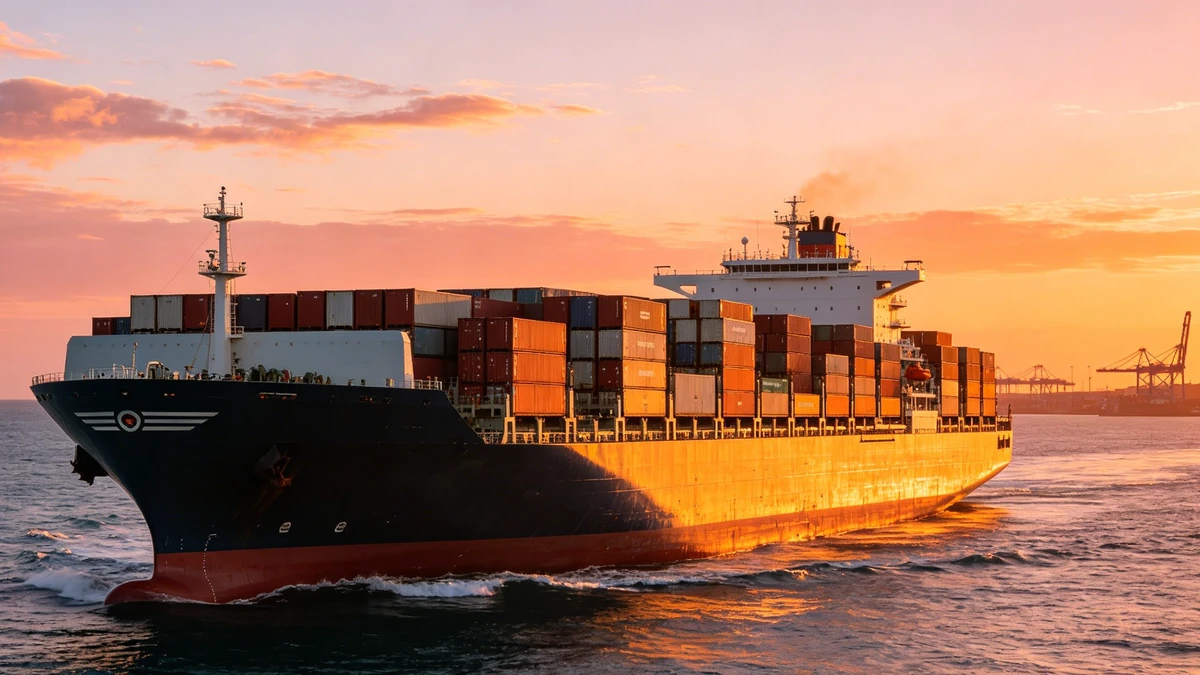
2. Advantages of Shipping from China to South Africa by Sea
Shipping by sea from China to South Africa is the most cost-effective logistical choice for bulk cargo, offering unmatched capacity for oversized goods and a significantly lower carbon footprint compared to air freight. It remains the backbone of international trade for African importers.
When comparing transportation modes, ocean freight consistently proves its worth for businesses that prioritize budget over extreme speed. The primary advantage is Cost-Effectiveness. For shipments exceeding 2 CBM (Cubic Meters) or 500 kilograms, the price per unit drops dramatically when loaded onto a container ship. While air freight charges by chargeable weight (the higher of actual or volumetric weight), sea freight primarily charges by volume, allowing importers to ship dense, heavy items like industrial machinery, furniture, and building materials without breaking the bank.
Furthermore, sea freight offers unparalleled Capacity. A standard 40-foot High Cube container can hold up to 76 CBM of goods. This is essential for wholesale importers stocking up for seasonal peaks. From oversized vehicles to hazardous materials that are strictly prohibited on aircraft, ocean vessels are equipped to handle diverse cargo types securely.
Finally, we must consider the Carbon Footprint. According to data from the World Shipping Council (WSC), ocean shipping is the most carbon-efficient mode of commercial transport. For modern brands prioritizing ESG (Environmental, Social, and Governance) goals, choosing sea freight significantly reduces the greenhouse gas emissions associated with your supply chain.
3. Sea Freight Shipping Methods: FCL vs. LCL
Choosing between Full Container Load (FCL) and Less than Container Load (LCL) depends entirely on your cargo volume. FCL is ideal for shipments over 15 CBM, offering exclusive container use, while LCL allows you to share space and costs for smaller shipments.
Understanding the difference between these two primary sea freight methods is crucial for optimizing your shipping budget. Over the past decade of managing shipments to Africa, our team at SinoShipment has repeatedly seen new importers mistakenly choose LCL for 12-14 CBM shipments, unaware that a lightly packed 20ft FCL would be both cheaper and significantly faster.
Full Container Load (FCL)
FCL means you are renting the entire container (typically 20ft, 40ft, or 40ft HQ) for your goods exclusively. You do not need to fill the container to the brim to choose FCL; sometimes, it is cheaper to book an FCL container for 16 CBM than to pay LCL rates for the same volume.
- Benefits: Faster transit times (no consolidation/deconsolidation required), lower risk of damage or theft since the container is sealed at the factory and opened at your warehouse.
- Best for: High-volume shipments, fragile goods, and strict delivery schedules.
Less than Container Load (LCL)
LCL is designed for importers whose cargo is not large enough to warrant a full container. Your freight forwarder will consolidate your goods with shipments from other buyers heading to the same destination port.
- Benefits: Highly cost-effective for small loads (typically between 1 CBM and 15 CBM). You only pay for the exact space your cargo occupies.
- Drawbacks: Transit times are generally 5 to 7 days longer than FCL because of the time required to consolidate goods at the origin port and deconsolidate them upon arrival in South Africa.
FCL vs. LCL Comparison Table
| Feature | Full Container Load (FCL) | Less than Container Load (LCL) |
|---|---|---|
| Volume Suitability | 15 CBM or more | 1 CBM to 15 CBM |
| Cost Structure | Flat rate per container | Charged per CBM or metric ton |
| Transit Speed | Faster (Direct routing) | Slower (Requires consolidation) |
| Cargo Security | High (Sealed container) | Moderate (Handled multiple times) |
| Customs Risk | Low (Only your goods are checked) | Higher (Other cargo can delay the container) |

4. Key Sea Ports for China-South Africa Trade
The primary loading ports in China include Shanghai, Shenzhen, and Ningbo, which connect directly to major South African destination ports like Durban, Cape Town, and Port Elizabeth. Selecting the right port pairing minimizes transit time and reduces domestic transport costs.
Your choice of origin and destination ports dictates your baseline logistics cost and time. Working with an experienced freight forwarder like SinoShipment ensures your cargo is routed through the most efficient hubs based on your supplier’s location.
Major Origin Ports in China
- Port of Shanghai: The world’s busiest container port. It is the optimal choice for suppliers located in central and eastern China (Jiangsu, Zhejiang, Anhui). It offers the most frequent sailings to Africa.
- Port of Shenzhen (Yantian/Shekou): Located in the Pearl River Delta, this is the go-to port for electronics, tech accessories, and consumer goods manufactured in Guangdong province.
- Port of Ningbo-Zhoushan: Known for excellent deep-water facilities, it handles heavy industrial goods and offers slightly lower port fees than Shanghai.
- Port of Qingdao: The best choice for heavy machinery, tires, and agricultural products originating from northern China.
Major Destination Ports in South Africa
- Port of Durban: Handling over 60% of South Africa’s container traffic, Durban is the primary gateway to the economic hub of Gauteng (Johannesburg/Pretoria). However, it is notorious for seasonal congestion, making proactive planning essential.
- Port of Cape Town: The ideal entry point for goods destined for the Western Cape. It frequently handles agricultural equipment, textiles, and retail goods, though operations can occasionally be delayed by strong “Cape Doctor” winds.
- Port of Port Elizabeth (Ngqura/Coega): A crucial transshipment hub and the preferred port for the automotive industry and heavy manufacturing sectors located in the Eastern Cape.
5. Transit Times: How Long Does Sea Freight Take?
Sea freight transit times from China to South Africa generally range from 22 to 35 days port-to-port. Door-to-door delivery takes approximately 35 to 50 days, factoring in customs clearance and inland transportation across South African provinces.
Time is money in supply chain management. While ocean freight is slower than air cargo (which takes 3-7 days), careful scheduling can mitigate the impact of longer lead times.
Estimated Port-to-Port Transit Times (2026 Averages)
| Origin Port (China) | Destination Port (South Africa) | Estimated Transit Time (Days) |
|---|---|---|
| Shenzhen / Guangzhou | Durban | 22 – 28 Days |
| Shanghai / Ningbo | Durban | 24 – 30 Days |
| Shenzhen / Guangzhou | Cape Town | 26 – 32 Days |
| Shanghai / Ningbo | Cape Town | 28 – 35 Days |
| Qingdao / Tianjin | Port Elizabeth | 30 – 38 Days |
Note: Add 5-7 days for LCL shipments due to consolidation processes.
Factors Affecting Transit Speed
- Weather Conditions: Typhoons in the South China Sea or severe swells off the South African coast can force vessels to reroute or delay docking.
- Port Congestion: According to the Transnet National Ports Authority, the Port of Durban frequently experiences vessel backlogs during the Q3 peak season (August - November), which can add 3 to 10 days to your timeline.
- Blank Sailings: Ocean carriers occasionally cancel scheduled voyages (blank sailings) to artificially manage capacity and stabilize freight rates, directly impacting departure dates.
6. Cost Guide: How Much is Shipping from China to South Africa by Sea? (2026)
In 2026, sea freight costs from China to South Africa fluctuate based on seasonality and fuel surcharges. On average, a 20ft container (FCL) costs between $1,500 and $2,500, while LCL shipments are priced per cubic meter (CBM), typically ranging from $80 to $150.
Understanding the anatomy of a freight quote is vital. According to the United Nations Conference on Trade and Development (UNCTAD), global freight rates remain highly susceptible to geopolitical events and fuel price volatility. In our daily operations, we constantly rescue novice importers who were initially blinded by a cheap “base rate,” only to be hit with exorbitant destination charges upon arrival in Durban.
FCL Container Rates (Estimates)
- 20ft Container: $1,500 – $2,500 USD
- 40ft / 40HQ Container: $2,500 – $3,800 USD (Rates are highly dependent on the shipping line, current global capacity, and the time of year).
LCL Rates (Estimates)
LCL is calculated per CBM (Cubic Meter) or per Metric Ton (1,000 kg), whichever is greater.
- Average Cost: $80 – $150 USD per CBM.
Hidden Fees You Must Watch For
When reviewing a quote, ensure it accounts for the following surcharges:
- Terminal Handling Charges (THC): Fees charged by both the origin and destination ports for moving the container from the truck to the ship, and vice versa.
- Bunker Adjustment Factor (BAF): A floating surcharge that shipping lines apply to compensate for fluctuating bunker fuel prices.
- Demurrage and Detention: Penalties levied if you do not move your container out of the port (Demurrage) or return the empty container (Detention) within the allotted free time (usually 3-7 days).
- Peak Season Surcharge (PSS): Implemented between August and November as retailers stock up for Black Friday and Christmas.

Pro Tip: At SinoShipment, we pride ourselves on transparent, all-inclusive quoting. We break down every fee so you never face unexpected invoices in South Africa.
7. Customs Clearance and Import Taxes in South Africa
Clearing customs in South Africa requires strict adherence to the South African Revenue Service (SARS) regulations. Importers must possess a valid Customs Code and prepare for a standard 15% Value-Added Tax (VAT) alongside specific import duties based on the product’s HS code.
Customs clearance is often the most intimidating aspect of importing. However, with the right documentation and an experienced customs broker, it can be a seamless process.
The Role of SARS and Importer Registration
Before you can bring commercial goods into the country, you must register as an importer with the South African Revenue Service (SARS). Operating without an active Customs Code (CNN) will result in your goods being seized at the port.
Crucial Import Documents
To clear your sea freight shipment, your forwarder will require:
- Commercial Invoice: Must clearly state the buyer, seller, exact value of goods, and currency.
- Packing List: A detailed breakdown of weights, dimensions, and packaging types.
- Bill of Lading (B/L): The official transport contract issued by the shipping line.
- Certificate of Origin (CO): Vital for claiming preferential tariff rates under specific trade agreements.

Calculating Duties and Taxes
- Value-Added Tax (VAT): South Africa applies a standard 15% VAT on imported goods. Crucially, VAT is calculated on the Added Tax Value (ATV), which is:
Customs Value + 10% of Customs Value + Any applicable Import Duties. - Import Duties: These range from 0% (for certain electronics or machinery) up to 45% (for protected local industries like textiles and footwear). The exact rate is determined by the internationally recognized 6-digit HS (Harmonized System) Code. Misclassifying your HS Code to pay lower duties is considered tax evasion and carries severe penalties.
8. Best Incoterms for Shipping to South Africa
FOB (Free on Board) and DDP (Delivered Duty Paid) are the most advantageous Incoterms for South African importers. FOB provides maximum control over ocean freight costs, while DDP offers a hands-off, door-to-door solution where the freight forwarder handles all risks and taxes.
Incoterms® (International Commercial Terms), published by the International Chamber of Commerce (ICC), define exactly where the seller’s responsibility ends and the buyer’s responsibility begins.

- FOB (Free On Board): The most highly recommended term for experienced buyers. Your Chinese supplier covers all costs to get the goods loaded onto the ship at the origin port (e.g., Shenzhen). From that point, you (and your chosen freight forwarder) control the ocean freight, insurance, and destination costs. This prevents suppliers from marking up freight rates.
- EXW (Ex Works): You are responsible for everything, including picking up the goods directly from the factory floor in China. This is only recommended if you have a highly capable logistics partner in China.
- DDP (Delivered Duty Paid): The ultimate “hands-off” solution. The seller (or your freight forwarder) handles the entire process: ocean freight, customs clearance in South Africa, import duties, and final delivery to your warehouse. This is incredibly popular among Amazon FBA sellers and e-commerce entrepreneurs who want a predictable, fixed cost per unit.
9. Common Challenges & Risk Mitigation
Importers frequently face challenges such as congestion at the Port of Durban and delays caused by paperwork discrepancies. Mitigating these risks involves securing comprehensive marine cargo insurance, ensuring accurate documentation, and partnering with an experienced freight forwarder.
Even the best-planned supply chains encounter friction. Understanding the risks allows you to build resilience into your logistics strategy. For instance, our team recently navigated a severe vessel backlog in Durban by proactively rerouting critical cargo through Port Elizabeth and trucking it inland—a strategy that saved our client from missing a major retail launch.
Port Congestion and Infrastructure Delays
South African ports, particularly Durban, occasionally suffer from equipment breakdowns, labor strikes, and severe weather. According to the World Bank Logistics Performance Index, infrastructure bottlenecks can add unpredictable delays. Solution: Build a 7-14 day buffer into your inventory planning. Consider routing time-sensitive cargo through Port Elizabeth and trucking it inland to Johannesburg if Durban is severely backlogged.
Paperwork Discrepancies
A single typo on a Commercial Invoice or a mismatched HS code can trigger an intensive SARS customs stop. Customs stops incur examination fees and daily storage charges. Solution: Implement a strict “triple-check” policy with your supplier before the vessel departs China. Ensure the Packing List matches the Bill of Lading exactly.
Cargo Damage and Loss
Rough seas, improper container loading, or accidents during transshipment can damage goods. Ocean carriers have limited liability under maritime law (often as little as $2 per kg). Solution: Never ship without Marine Cargo Insurance. It typically costs less than 0.5% of your commercial invoice value and provides complete peace of mind against total loss, theft, or severe damage.
10. Why Choose SinoShipment for Your Sea Freight?
SinoShipment is your trusted freight forwarding expert, offering over a decade of expertise in the China-to-Africa logistics corridor. We provide competitive sea freight rates, guaranteed container space, and seamless end-to-end DDP solutions to ensure your cargo arrives safely and on time.
At SinoShipment, we understand that you aren’t just shipping boxes; you are shipping your business’s lifeblood. We have spent years cultivating direct relationships with top-tier ocean carriers like Maersk, MSC, and COSCO. This allows us to secure premium container space for our clients, even during the chaotic peak season.
Our Core Advantages Include:
- Transparent Pricing: No hidden BAF, THC, or documentation fees. The quote you see is the quote you pay.
- Expert Customs Clearance: Our dedicated brokers in Durban and Cape Town possess deep knowledge of SARS regulations, ensuring your goods clear customs without unnecessary holds.
- Tailored DDP Solutions: We take the headache out of importing by offering comprehensive Door-to-Door delivery. You buy the goods; we deliver them to your warehouse with all duties paid.
- Proactive Tracking: From the factory floor in Guangzhou to your facility in Johannesburg, you will have complete visibility over your supply chain.
11. Frequently Asked Questions (FAQ)
What is the cheapest way to ship small packages from China to South Africa? If your shipment is under 1 CBM or 100kg, sea freight LCL might incur high minimum destination fees that negate the savings. In these cases, air freight or express couriers (DHL/FedEx) are often more economical and significantly faster. For anything over 1.5 CBM, LCL sea freight is the cheapest method.
Do I need an import license in South Africa? Yes. Any individual or business importing goods for commercial purposes must register with SARS for a Customs Importer Code. You can apply for this code via the SARS eFiling system or through a registered customs clearing agent.
Can I track my sea freight cargo? Absolutely. When you ship with SinoShipment, you are provided with a Bill of Lading (B/L) number and a container number. You can use these to track your vessel’s real-time location via GPS maritime tracking systems.
What items are restricted from entering South Africa? South Africa strictly controls or prohibits the importation of counterfeit goods, specific agricultural products, second-hand vehicles (without special permits), certain chemicals, and unlicensed pharmaceuticals. For a definitive list of goods requiring an import permit or those subject to trade remedies, always consult the International Trade Administration Commission of South Africa (ITAC) and verify your product’s status with SARS before purchasing.
12. Conclusion
Successfully importing goods from China to South Africa by sea requires more than just finding a supplier; it requires a bulletproof logistics strategy. By understanding the cost dynamics between FCL and LCL, anticipating transit times, ensuring your customs documentation is flawless, and choosing the right Incoterms, you can protect your profit margins and scale your business with confidence.
Don’t leave your international supply chain to chance. Partner with experts who treat your cargo as their own.
Ready to streamline your imports from China to South Africa? Contact SinoShipment today for a free, customized sea freight quote. Let our seasoned logistics professionals handle the heavy lifting, so you can focus on what matters most—growing your business.