Container Shipping from China to Egypt: The Complete 2026 Guide
· By SinoShipment
Are you tired of unexpected delays and hidden fees eroding your profit margins when importing from China to Egypt? Navigating the complexities of the Suez Canal routes and the strict ACID (Advance Cargo Information Declaration) system can be overwhelming for both new and experienced importers. In this comprehensive guide, our team at Sinoshipment breaks down the 2026 container shipping from china to egypt costs (20ft & 40ft), exact transit times, key ports, and the step-by-step customs clearance process to ensure your cargo arrives safely and on budget.
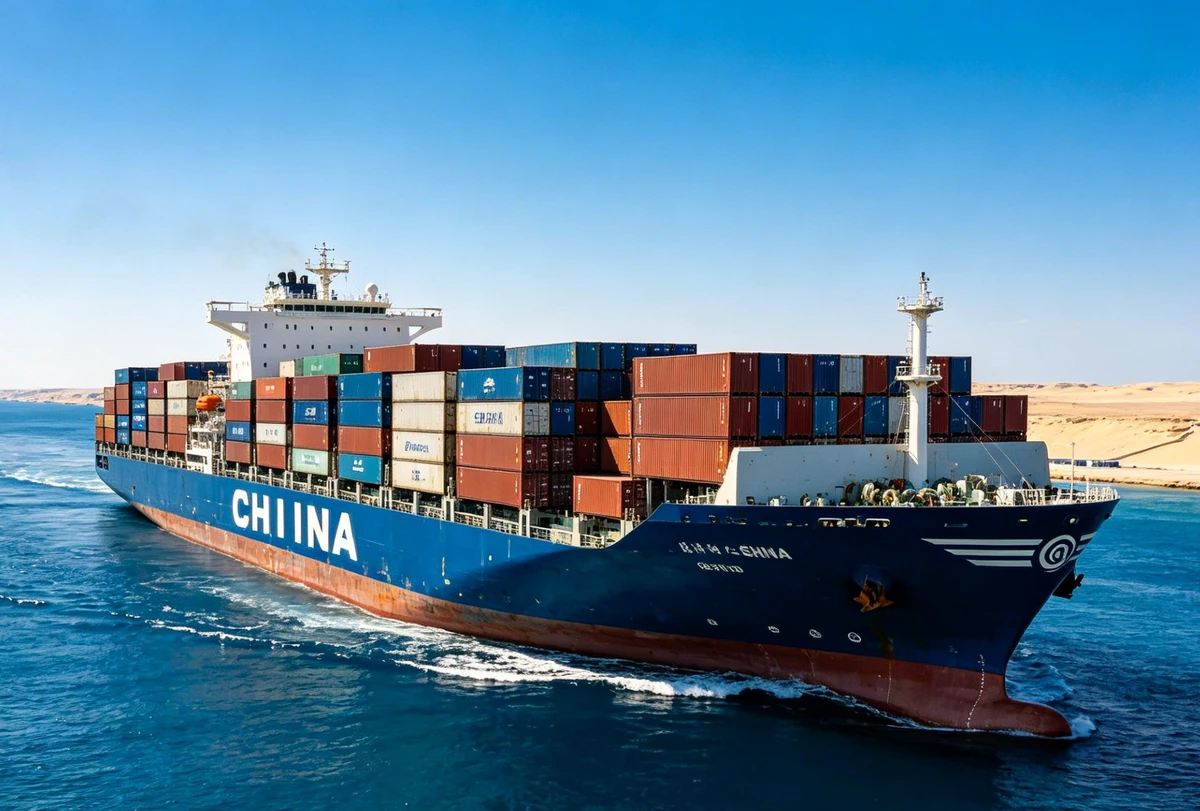
1. Container Shipping from China to Egypt
Shipping containers from China to Egypt is the backbone of Egyptian supply chains, typically taking 20 to 35 days by sea. Success requires mastering freight options (FCL vs. LCL), understanding volatile 2026 shipping costs, and strictly adhering to Egypt’s Nafeza customs platform to avoid severe penalties.
Egypt serves as a critical gateway to the Middle East and Africa. Over the years, our team has managed thousands of TEUs along this route, witnessing firsthand how geopolitical shifts and local regulations impact transit. Whether you are an e-commerce seller, a manufacturer, or a large-scale distributor, mastering the logistics of this trade lane is non-negotiable for maintaining a competitive edge. For a broader perspective on regional rates, you might also compare freight costs from china to usa.
2. FCL vs. LCL: Choosing the Right Container Shipping Method to Egypt
Choose FCL (Full Container Load) if your cargo volume exceeds 15 CBM, as it offers better security, faster handling, and a lower cost per unit. For shipments under 15 CBM, LCL (Less than Container Load) is the most cost-effective choice, allowing you to share container space and split the freight costs.
When deciding how to move your goods, the choice between FCL and LCL will dictate your budget and timeline.
- FCL (Full Container Load): You rent the entire 20ft, 40ft, or 40HQ container. It’s ideal for high-volume importers. Because the container is sealed at the Chinese factory and only opened at the Egyptian destination, the risk of damage or loss is significantly reduced.
- LCL (Less than Container Load): Your goods are consolidated with cargo from other shippers. While it saves money for smaller batches, it requires extra time for consolidation in China and deconsolidation at ports like Alexandria or Port Said.

| Feature | FCL (Full Container Load) | LCL (Less than Container Load) |
|---|---|---|
| Ideal Volume | Over 15 CBM | Under 15 CBM |
| Security | High (Sealed container) | Moderate (Shared space) |
| Transit Time | Faster (Direct routing) | Slower (Requires consolidation) |
| Cost Efficiency | Better for large shipments | Better for small shipments |
3. Key Origin and Destination Seaports for China-Egypt Trade
The most efficient and popular shipping routes connect major Chinese hubs like Shanghai, Shenzhen, and Ningbo to Egypt’s primary ports: Alexandria Port on the Mediterranean and Sokhna Port on the Red Sea. Choosing the right port pair minimizes inland transport costs and transit times.
Optimizing your supply chain starts with selecting the right ports. In our experience, misaligning your origin and destination ports can add unnecessary days and inland trucking costs to your shipment.
Top Origin Ports in China:
- Shanghai Port: The world’s busiest container port, offering the most frequent sailings to the Middle East and North Africa.
- Shenzhen Port: Ideal for electronics and manufactured goods coming from South China.
- Ningbo-Zhoushan & Guangzhou (Nansha): Excellent alternatives with competitive handling fees and strong connectivity.
Top Destination Ports in Egypt:
- Alexandria Port: Handling the vast majority of Egypt’s foreign trade, it is the primary gateway for goods entering the Mediterranean coast.
- Port Said: Located at the northern entrance of the Suez Canal, it is a critical hub for both direct imports and transshipments.
- Sokhna Port: Situated on the Red Sea coast, this port is the fastest option for shipments destined for the Greater Cairo region, bypassing the need to transit the Suez Canal.
- Damietta Port: A growing alternative to Alexandria, often offering less congestion.
4. Container Shipping Costs from China to Egypt (2026 Rates)
As of Q1 2026, shipping a 20ft container from China to Egypt costs between $1,500 and $2,500, while a 40ft or 40HQ container ranges from $2,500 to $4,500. Rates fluctuate based on port pairs, seasonal demand, and Red Sea security surcharges.
Budgeting for ocean freight requires looking beyond the base rate. Shipping lines frequently adjust pricing based on capacity and geopolitical factors.
- Estimated Costs for 20ft Containers: $1,500 - $2,500
- Estimated Costs for 40ft/40HQ Containers: $2,500 - $4,500
Note: These are average ocean freight estimates. Actual costs will vary depending on your specific Incoterms (e.g., FOB vs. EXW).
Hidden Costs to Watch Out For: When our team audits client supply chains, we often find unexpected fees eating into their margins. Be prepared for:
- Terminal Handling Charges (THC): Applied at both the Chinese loading port and the Egyptian discharge port.
- BAF (Bunker Adjustment Factor) & PSS (Peak Season Surcharge): Surcharges that spike during peak seasons (like the pre-Chinese New Year rush).
- Egyptian Customs Duties and VAT: Egypt applies varying tariff rates based on the HS code of your products. For official tariff schedules and updates, importers should regularly consult the Egyptian Ministry of Finance.
Cost-Saving Tips: Optimize your packaging to maximize CBM usage, consolidate LCL shipments when possible, and always clear customs promptly to avoid steep demurrage and detention fees at Egyptian ports.
5. Transit Times: How Long Does Container Shipping from China to Egypt Take?
Ocean freight from China to Egypt generally takes 20 to 35 days port-to-port. Shipments to Red Sea ports like Sokhna (22-28 days) are typically faster than those to Mediterranean ports like Alexandria (25-35 days) which require Suez Canal transit.
Time is money in international trade. The exact transit time depends heavily on the shipping line’s schedule, transshipment requirements, and port congestion.
| Route (Port to Port) | Estimated Transit Time |
|---|---|
| Shanghai to Alexandria | 25 - 35 Days |
| Shenzhen to Sokhna | 22 - 28 Days |
| Ningbo to Port Said | 24 - 32 Days |
| Guangzhou to Damietta | 26 - 34 Days |
Factors Causing Delays:
- Red Sea Transit Security: Recent geopolitical tensions have led some carriers to reroute or slow down, impacting schedules. Organizations like the World Shipping Council continually monitor these maritime security risks.
- Suez Canal Congestion: High traffic volumes can add days to Mediterranean-bound cargo.
- Peak Seasons: The weeks leading up to Chinese New Year or Ramadan often see severe port congestion and rolled cargo.

6. Egyptian Customs Clearance and the ACID System
Egypt enforces strict customs regulations through the mandatory Nafeza platform and the ACID (Advance Cargo Information Declaration) system. Importers must register and obtain an ACID number before cargo is loaded in China, or the shipment will be rejected and returned.
Navigating Egyptian customs is arguably the most complex part of the shipping process. The Egyptian Customs Authority strictly enforces the Advance Cargo Information (ACI) system to modernize and secure its borders.

The ACID System Explained: Under this system, Egyptian importers must register their details, the Chinese exporter’s details, and the shipment data on the National Single Window for Foreign Trade Facilitation (Nafeza). Once approved, an ACID number is issued. This number must appear on all shipping documents. If the cargo arrives without a valid ACID number, it will not be cleared and will be returned at the shipper’s expense.
Essential Documents Checklist: To ensure smooth clearance, you must prepare:
- Commercial Invoice (bearing the ACID number)
- Packing List
- Bill of Lading (B/L)
- Certificate of Origin (CO)
- CargoX Registration (for the Chinese exporter to upload documents via blockchain)
7. Step-by-Step Guide to Shipping a Container from China to Egypt
Successfully shipping to Egypt involves 6 key steps: sourcing goods, securing an ACID number, booking freight, managing export clearance in China, tracking the ocean transit, and executing import clearance and final delivery in Egypt.
To simplify the process, follow this proven roadmap:
- Source and Prepare Goods: Finalize production with your Chinese supplier and determine the total volume (CBM) and weight.
- Obtain the ACID Number: The Egyptian importer logs into Nafeza to request the ACID number. The Chinese supplier registers on CargoX.
- Book Freight & Export Clearance: Choose between FCL and LCL, book the vessel, and complete Chinese export customs procedures.
- Ocean Transit: The container is loaded and embarks on its 20-35 day journey. Monitor the vessel’s progress.
- Import Customs Clearance: Upon arrival in Egypt, the customs broker uses the pre-submitted Nafeza documents to clear the goods and pay applicable duties and VAT.
- Inland Delivery: The container is trucked from the port (e.g., Alexandria or Sokhna) to your final warehouse or distribution center.
8. Why Choose Sinoshipment as Your Freight Forwarder for Egypt?
Sinoshipment offers unparalleled expertise in the China-Egypt trade lane. We secure competitive FCL/LCL rates, provide seamless integration with Egypt’s ACID/Nafeza requirements, and ensure end-to-end visibility for your cargo.
Partnering with an experienced freight forwarder is the most effective way to mitigate risks. Here is why thousands of clients trust Sinoshipment:
- Deep Market Expertise: We understand the nuances of Egyptian customs, the CargoX platform, and the ACID system, ensuring your documents are flawless.
- Competitive Container Rates: Thanks to our direct contracts with top carriers like Maersk, MSC, and COSCO, we secure premium space and competitive pricing, even during peak seasons.
- End-to-End Visibility: From the factory floor in Shenzhen to your warehouse in Cairo, our tracking systems keep you informed 24⁄7.
- Local Customs Support: Our dedicated network of local agents in Alexandria, Port Said, and Sokhna guarantees fast, compliance-first clearance.
You may be interested in the following related shipping routes:
9. FAQs on Container Shipping from China to Egypt
Is it cheaper to ship FCL or LCL to Egypt? It depends on your volume. If your cargo is over 15 CBM, FCL is generally cheaper per cubic meter. For smaller shipments under 15 CBM, LCL is the more cost-effective option.
How do Red Sea security issues affect my shipment to Egypt? Heightened security risks can lead to increased insurance premiums, War Risk Surcharges, and occasional delays if vessels are forced to adjust their speeds or wait for naval escorts.
Can I ship dangerous goods (DG) or batteries to Egypt? Yes, but it requires strict compliance with international maritime regulations (IMDG Code) and specialized handling. Additional documentation, such as a Material Safety Data Sheet (MSDS), is mandatory.
Who is responsible for paying Egyptian customs duties? Under most standard Incoterms (like FOB, CIF, or EXW), the Egyptian importer is responsible for paying all import duties, VAT, and local clearance fees upon arrival.
10. Conclusion: Streamline Your Supply Chain Today
Successfully importing from China to Egypt requires meticulous planning, a deep understanding of 2026 container costs, and absolute compliance with the Nafeza ACID system. By choosing the right port combinations and the appropriate FCL or LCL strategy, you can significantly reduce transit times and protect your profit margins.
Ready to import from China to Egypt without the stress? Contact Sinoshipment today for a free, customized container shipping quote and expert logistics consultation. Let our team handle the complexities while you focus on growing your business.