Container Shipping from China to South Africa: 2026 Costs, Times & SARS Customs Guide
· By SinoShipment
With over 13 years of frontline experience managing supply chains from Shenzhen to Durban, our team has helped 5,000+ businesses navigate the complexities of China-to-Africa trade. In this guide, we share our firsthand operational insights to help you avoid hidden port fees and breeze through SARS customs.
Are fluctuating ocean freight rates from Shenzhen and Shanghai affecting your sourcing margins when importing from China to South Africa? Whether you are shipping heavy machinery, electronics, or wholesale furniture, managing logistics costs is crucial. B2B importers often struggle with hidden port fees at Durban, unexpected SARS customs delays, and deciding whether FCL or LCL is the most cost-effective option for their cargo. In this comprehensive guide, we will break down the exact container shipping from China to South Africa costs in 2026, compare transit times, provide an actionable SARS clearance checklist, and explain how to optimize the crucial Durban-to-Johannesburg inland route.
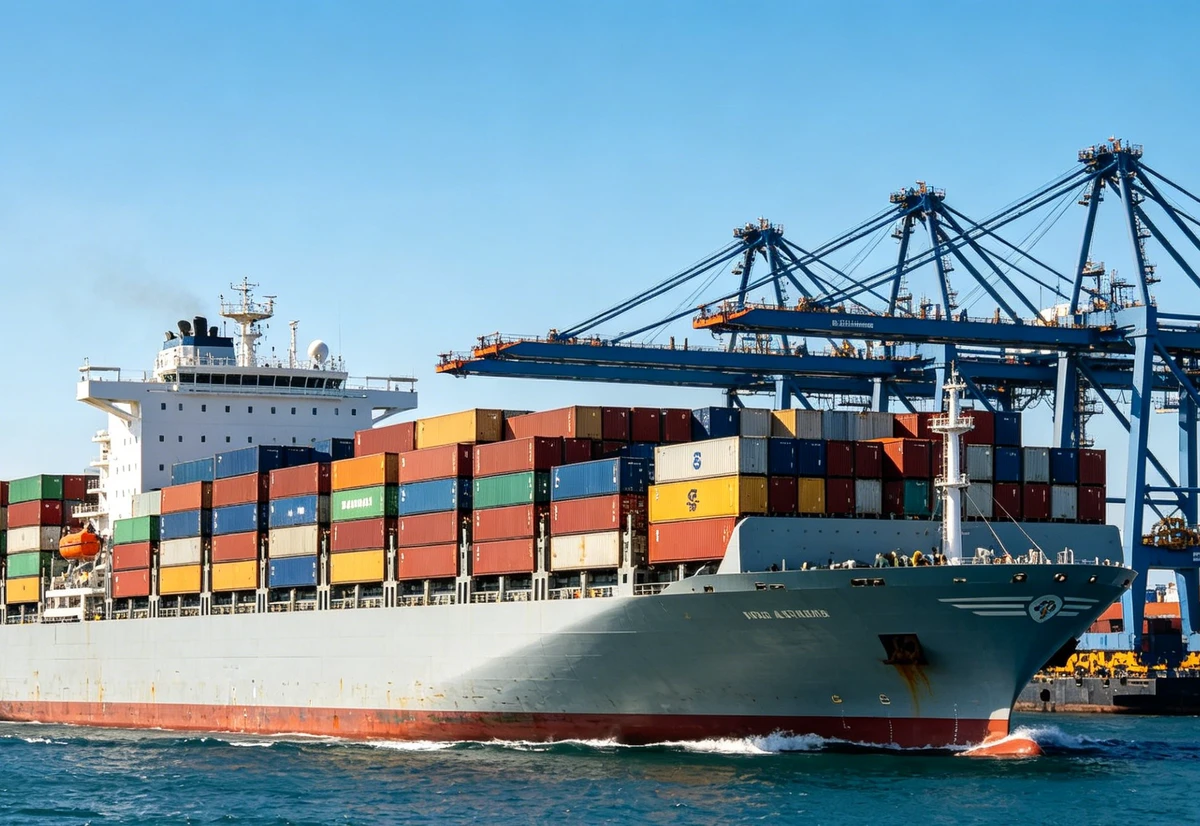
Sea Freight Basics: FCL vs LCL Shipping from China to South Africa
When planning your supply chain, the first major decision is choosing between FCL (Full Container Load) and LCL (Less than Container Load). Understanding the fundamental differences between these two Sea Freight methods is essential for keeping your total landed costs low.
When to Choose FCL (Full Container Load)
FCL means you are renting an entire 20ft, 40ft, or 40HQ container exclusively for your goods. It is the best choice if your cargo volume exceeds 15 CBM (Cubic Meters).
- Better Security: Your cargo is loaded at the supplier’s factory in China, sealed, and only opened when it reaches your warehouse in South Africa.
- Faster Transit: Because there is no need to consolidate or deconsolidate cargo with other shippers, FCL usually shaves a few days off the transit time.
- Ideal For: Heavy machinery, bulk furniture imports, large wholesale orders, and fragile high-value goods.
When to Choose LCL (Less than Container Load)
If your shipment is relatively small (between 1 CBM and 15 CBM), LCL is undoubtedly the cheapest way to ship a container from China to South Africa. Instead of paying for a half-empty container, you share the space—and the cost—with other importers. In our extensive experience, we’ve found that B2B buyers sourcing from multiple small factories often struggle with fragmented shipments. At Sinoshipment, our Shenzhen warehouse provides weekly LCL consolidation services to solve this exact problem. We gather goods from multiple suppliers across Guangzhou, Dongguan, and Shenzhen, pack them securely into one container, and ship them to Durban or Cape Town. While it takes slightly longer due to the consolidation process, it is highly economical for small-to-medium enterprises (SMEs) and cross-border e-commerce sellers. However, if your goods are extremely time-sensitive or high-value, you might want to consider Air Freight from China to South Africa as a faster alternative.
How Much Does it Cost? 20ft & 40ft Container Shipping Cost from China to South Africa
One of the most common questions we get is about pricing. Ocean freight rates are dynamic, influenced by fuel prices, port congestion, and peak season demand (especially before Chinese New Year). Below is an estimated rate breakdown for 2026.
Current Rate Breakdown (2026 Estimates)
| Origin Port (China) | Destination Port (SA) | 20ft Container Cost | 40ft Container Cost | LCL Cost (per CBM) |
|---|---|---|---|---|
| Shenzhen / Guangzhou | Durban | $2,700 - $3,200 | $4,200 - $4,800 | $90 - $120 |
| Shanghai / Ningbo | Durban | $2,800 - $3,300 | $4,300 - $4,900 | $95 - $125 |
| Shenzhen / Guangzhou | Cape Town | $2,900 - $3,400 | $4,400 - $5,100 | $100 - $130 |
| Shanghai / Ningbo | Cape Town | $3,000 - $3,500 | $4,500 - $5,200 | $105 - $135 |
(Note: These are average port-to-port Ocean freight rates / Sea freight charges. Actual costs may vary based on specific carrier capacity and seasonal surcharges.)
Understanding the “Hidden Costs” (The Low-Price Trap)
Some forwarders might quote an unbelievably low base freight rate, only to hit you with massive destination charges later. A transparent quote should account for:
- Base Freight: The cost of the ocean voyage.
- BAF & CAF: Bunker Adjustment Factor (fuel surcharge) and Currency Adjustment Factor.
- THC (Terminal Handling Charges): Fees paid at both the loading port in China and the discharge port in South Africa.
- Documentation Fees: Costs for issuing the Bill of Lading (B/L) and export declarations.
Incoterms Matter: FOB, EXW, CIF, or DDP?
Your chosen Incoterms 2020 dictate who pays for what.
- EXW (Ex Works): You pay for everything from the factory floor in China to your door in South Africa.
- FOB (Free on Board): The supplier pays to get the goods loaded onto the ship at the Chinese port; you pay for the ocean freight and everything thereafter. This is the most common and recommended term for B2B buyers.
- CIF (Cost, Insurance, and Freight): The supplier pays the freight and insurance to the SA port. However, you lack control over the shipping process and destination fees.
Transit Times: How Long Does it Take to Ship a Container from China to South Africa?
Planning your inventory replenishment requires accurate lead times. Sea freight from Shenzhen/Guangzhou to Durban/Cape Town is highly reliable, but transit times vary based on the specific route and carrier. For a more comprehensive overview covering both air and sea options, read our detailed guide on How Long Does Shipping Take from China to South Africa.
Port-to-Port Transit Times
| Route | Average Transit Time (Days) | Service Type |
|---|---|---|
| Shenzhen to Durban | 22 - 28 Days | Direct / Transshipment |
| Shanghai to Durban | 24 - 30 Days | Direct / Transshipment |
| Shenzhen to Cape Town | 25 - 32 Days | Direct / Transshipment |
| Shanghai to Cape Town | 26 - 34 Days | Direct / Transshipment |
| Ningbo to Port Elizabeth | 28 - 36 Days | Transshipment |
Factors Affecting Speed
- Direct vs. Transshipment: Direct vessels to Durban are faster. Transshipment routes (often via Singapore or Port Klang) add 5 to 10 days to the journey.
- Port Congestion: Durban port historically experiences periods of heavy congestion. A skilled Freight forwarder China to South Africa will monitor port conditions and advise you on the best sailing schedules.
- Weather Conditions: Typhoons in the South China Sea during summer can occasionally delay vessel departures.
Navigating South Africa Customs Clearance (SARS)
customs clearance is often the biggest hurdle for importers. According to the official guidelines from the South African Revenue Service (SARS), strict compliance regulations are enforced, and failing to meet them can result in severe delays, storage fees, and demurrage penalties. Unlike some countries where customs might occasionally wave through minor discrepancies, SARS operates with a high level of scrutiny.
Essential Documentation Checklist
To ensure a smooth South Africa customs clearance (SARS) process, you must prepare the following documents well before the vessel arrives:
- Commercial Invoice: Must clearly state the exact value of the goods, currency, incoterms, and buyer/seller details. Vague descriptions like “electronics” will trigger an immediate stop; use specific terms like “1200W Solar Inverters”.
- Packing List: Detailed breakdown of the cargo, including net and gross weights, dimensions, and packaging type. It must match the commercial invoice perfectly.
- Bill of Lading (B/L): The official transport contract issued by the carrier. An original B/L or a telex release is required for cargo release.
- Certificate of Origin: Required for certain goods to claim preferential tariff rates. If you are importing goods manufactured in China, a properly stamped Certificate of Origin can sometimes help reduce duties.
- Import Permit: South Africa requires importers to be registered with SARS and hold a valid importer’s code. Certain regulated goods (like agricultural products or medical devices) may require additional special permits.
The SAD 500 Form and HS Codes
The SAD 500 is the official South African customs declaration document. Accuracy on this form is absolutely critical. You must ensure that your HS Codes (Harmonized System Codes) perfectly match the goods you are importing.
If SARS selects your container for a random X-ray inspection and finds discrepancies between the declared HS Codes and the actual cargo, you will face hefty fines and your cargo will be detained. Furthermore, the storage and demurrage fees at Durban port can accumulate to thousands of dollars while the dispute is being resolved. Partnering with a knowledgeable Freight forwarder China to South Africa like Sinoshipment ensures that your HS codes are verified before the container even leaves Shenzhen.
Real-World Experience: The Cost of Vague Descriptions Recently, a new client came to us after their previous forwarder used the generic term “Auto Parts” on a commercial invoice. SARS flagged the container in Durban for a manual inspection. The cargo sat at the terminal for 14 days, accumulating over $1,200 in demurrage fees. When they switched to Sinoshipment, our team ensured the specific HS Codes and exact descriptions (e.g., “Steel Brake Rotors for Passenger Vehicles”) were declared on the SAD 500, resulting in seamless clearance within 48 hours of vessel arrival.
Import Duties and Taxes South Africa
When calculating your total landed cost, you must factor in Import duties and taxes South Africa.
- VAT (Value Added Tax): Currently set at 15%. However, SARS calculates VAT not just on the value of the goods, but on the Added Tax Value (ATV). The ATV is the customs value plus a 10% uplift, plus any applicable customs duties.
- Customs Duties: These vary wildly depending on the product category. For example, many electronics and solar panels might have a 0% to 5% duty, while textiles, clothing, and footwear can face steep duties up to 45% to protect local industries. Always verify your HS Codes with a local clearing agent before shipping to avoid nasty surprises.
- Excise Duties: Applicable only to specific high-volume items like alcohol, tobacco, or petroleum products.
The Inland Challenge: Durban to Johannesburg
A massive portion of cargo arriving in South Africa is not destined for the coastal cities. The “final mile” from the Port of Durban to the economic hub of Johannesburg (specifically the City Deep inland port) or Pretoria is a critical leg of the journey that requires careful planning.
Rail vs. Road Transport
Moving a heavy 20ft container inland presents two primary options:
- Rail Transport: Operated largely by Transnet Freight Rail, this is generally more cost-effective for heavy containers and environmentally friendly. However, it can be prone to delays due to infrastructure challenges, cable theft, or operational bottlenecks. It is best for bulk commodities where time is not the absolute highest priority.
- Road Transport (Trucking): Faster, more reliable, and more flexible, delivering directly from the Durban terminal to your warehouse in Johannesburg. The N3 highway is the main artery for this route. However, trucking rates are subject to fuel price fluctuations and toll fees, making it slightly more expensive than rail.
Port Congestion at Durban
The Port of Durban handles over 60% of South Africa’s container traffic. Unfortunately, it is notorious for seasonal congestion, equipment breakdowns, and adverse weather disruptions. A container might arrive at the port but take several days to be offloaded and placed on a truck. A proactive logistics partner will factor these potential delays into your supply chain timeline and arrange priority inland trucking.
Door-to-Door Container Shipping from China to South Africa
Managing multiple vendors (a China forwarder, an ocean carrier, a SA customs broker, and a local trucking company) is a logistical nightmare. Sinoshipment offers seamless door to door container shipping from china to south africa. We handle the factory pickup in China, export clearance, ocean freight, SARS import clearance, and the final inland delivery to Johannesburg under a single, transparent DDP (Delivered Duty Paid) or DDU quote.
How to Book Your Shipment: A Step-by-Step Guide
Ready to import? Follow these steps for a hassle-free experience:
- Finalize Cargo Details: Confirm the total weight, dimensions, and CBM with your Chinese supplier. Ensure the commercial invoice is accurate.
- Get a Transparent Quote: Contact Sinoshipment. Let us know your terms (e.g., FOB Shenzhen to Durban) and whether you need FCL or LCL.
- Cargo Pickup & Export Clearance: We will arrange trucking from the factory to the port and handle all China Customs export declarations.
- Ocean Transit & Cargo Insurance: Once loaded, the vessel sets sail. We highly recommend purchasing Cargo insurance for the long journey to protect against unforeseen maritime risks.
- Arrival & SARS Clearance: Before arrival, our SA partners will submit the SAD 500. Once cleared, we arrange the final delivery to your facility.
FAQ
What is the cheapest way to import from China to South Africa? For small shipments under 15 CBM, LCL (consolidated shipping) is the cheapest method. For larger volumes, booking an FCL (20ft or 40ft container) provides the lowest cost per unit.
Do I need a customs broker in South Africa? Yes. Unless you are using a comprehensive DDP service where the freight forwarder handles everything, you will need a registered clearing agent in South Africa to submit the SAD 500 to SARS and process your Import duties and taxes.
How can I avoid port demurrage fees in Durban? The best way to avoid demurrage is preparation. Ensure all your documents (Commercial Invoice, Packing List, Bill of Lading) are flawless and handed to your customs broker at least 5 days before the vessel arrives at the port.
Can you ship oversized machinery from China to SA? Absolutely. For heavy industrial equipment that doesn’t fit in standard containers, Sinoshipment provides Oversized & Project Cargo solutions, utilizing Flat Rack or Open Top containers.
Conclusion
Successfully managing Container shipping from china to South Africa requires a delicate balance. You must choose the right mode (FCL vs LCL), anticipate transit times, accurately calculate the 20ft/40ft container shipping cost, and ensure flawless SARS customs compliance.
Partnering with the right logistics expert makes all the difference. As a professional freight forwarder based in Shenzhen since 2013, Sinoshipment has successfully served over 5000+ clients globally. We provide comprehensive freight shipping from china to south africa solutions, along with dedicated routes like freight shipping from china to kenya and Freight Shipping from China to Nigeria for businesses expanding across the African continent. We provide transparent, reliable, and customized supply chain solutions without hidden fees.
Ready to optimize your imports? Contact Sinoshipment today for a free, no-obligation quote on your next shipment from China to South Africa!