Navigating April 2026 Supply Chain Disruptions: US-China Tariffs, EU Sanctions & Export Controls
· By SinoShipment
Are your profit margins suddenly shrinking due to unpredictable freight spikes, sudden port fees, and delayed manufacturing schedules this April? If you are importing from China to global markets, the geopolitical shifts of early Q2 2026 are likely wreaking havoc on your supply chain.
April 2026 has witnessed unprecedented escalations in global trade tensions, from reciprocal US-China maritime tariffs to sweeping EU-Russia sanctions and stringent Chinese rare earth export controls. For international buyers, e-commerce sellers, and brands, these disruptions translate directly into volatile ocean freight rates, severe port congestion, and extended manufacturing lead times.
As a seasoned freight forwarding team that has managed thousands of TEUs worldwide since 2013, SinoShipment has closely monitored these developments. This comprehensive guide breaks down the core events of April 2026, their direct financial impact on your import costs, and the actionable strategies you must deploy immediately to safeguard your supply chain.
Disclaimer: Customs policies, retaliatory tariffs, and freight rates are highly volatile. The information provided in this guide is accurate as of April 2026. Always verify with your freight forwarder or official customs authorities for real-time updates.
Key Takeaways
- US-China Maritime Tensions: New US tariffs and reciprocal Chinese port fees are increasing per-container costs by hundreds of dollars and forcing carriers to reroute.
- EU Sanctions & Tariffs: A looming ban on Russian short-term LNG contracts is driving up Bunker Adjustment Factor (BAF) surcharges globally.
- Export Controls: China’s tightening grip on rare earth elements is causing production halts and extending lead times for tech and automotive components.
- Immediate Action: Importers must diversify routing, lock in long-term NVOCC rates, and increase safety stock to survive Q2/Q3 volatility.
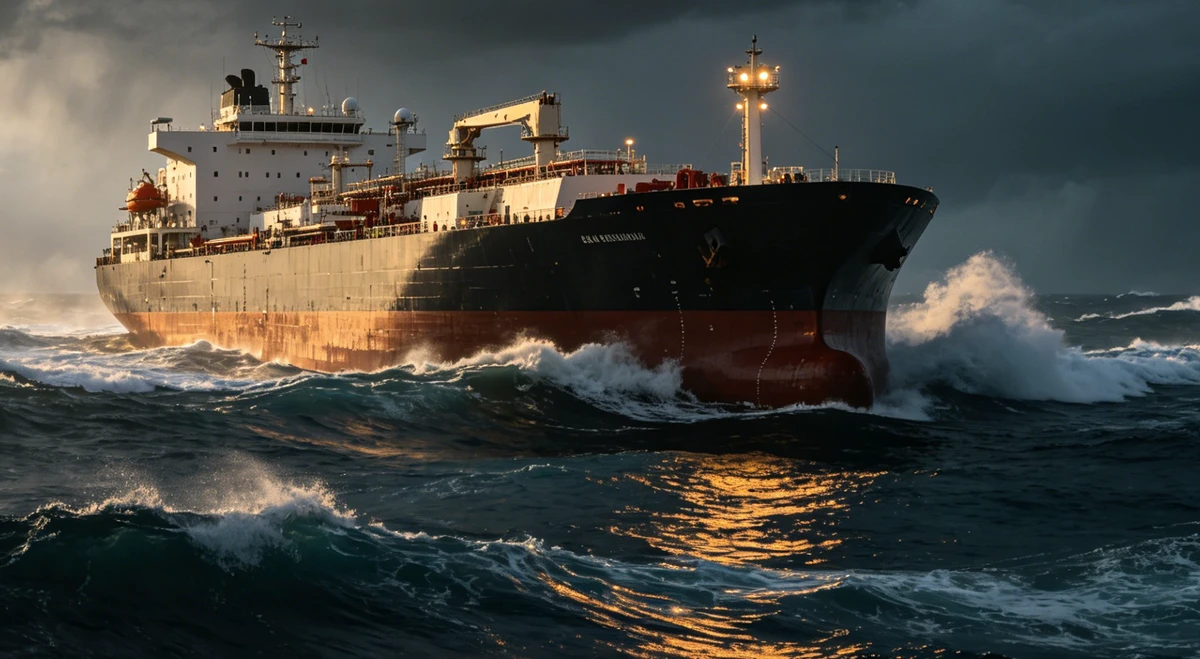
1. US-China Maritime Tensions: Reciprocal Port Fees & Tariffs
The escalating maritime trade war has introduced new USTR tariffs on Chinese shipbuilding and reciprocal Chinese port fees on US-affiliated vessels, directly increasing per-container costs and causing severe carrier rerouting across the Pacific.
The United States Trade Representative (USTR) recently concluded its prolonged investigation into China’s maritime, logistics, and shipbuilding sectors, culminating in a series of aggressive new tariffs. In immediate retaliation, China imposed additional, escalating port fees specifically targeting US-owned, operated, or flagged vessels.
Impact on Shipping Costs & Routing
In our experience managing trans-Pacific shipments, geopolitical tit-for-tat always trickles down to the importer. The new Chinese port fees—starting around $56 per net ton and escalating annually—are creating a massive financial burden for ocean carriers.
- Cascading Port Fees: Carriers rarely absorb these costs. We are already seeing these penalties passed down to importers in the form of increased Terminal Handling Charges (THC) and sudden Emergency Risk Surcharges (ERS).
- Carrier Rerouting & Congestion: To avoid these punitive fees, major shipping alliances are actively bypassing certain Chinese deep-water ports. This abrupt rerouting is causing severe congestion at alternative regional hubs in Southeast Asia and non-penalized Chinese ports, leading to vessel delays of 7 to 14 days, directly impacting freight costs from China to USA.

2. EU Retaliatory Tariffs & Russia LNG Sanctions: A Double Shock
The EU’s planned 25% retaliatory tariffs on US goods and the late-April ban on Russian short-term LNG contracts are creating a double shock, tightening vessel capacity and driving up ocean freight fuel surcharges worldwide.
While trans-Pacific trade is embroiled in port fee disputes, the Asia-Europe trade lane is facing its own crisis. The European Commission has not only threatened 25% retaliatory tariffs on specific US imports but has also finalized its 19th round of sanctions against Russia. A critical component of this package is the total ban on Russian short-term Liquefied Natural Gas (LNG) import contracts, which takes full effect in late April 2026.
Impact on European Importers & Global Energy
- Surging Freight Rates & BAF: The abrupt cut-off of Russian LNG has sent shockwaves through global energy markets, directly pushing up marine bunker fuel prices. Consequently, ocean carriers are drastically raising their Bunker Adjustment Factor (BAF) surcharges. Whether you are shipping FCL or LCL, your overall freight invoice will be noticeably higher this quarter. As noted by industry authorities like the World Shipping Council (WSC), extreme fluctuations in marine fuel prices invariably lead to rapid adjustments in BAF, directly impacting the final cost of goods for importers.
- Trade Shifts & Capacity Crunches: As European buyers pivot away from US and Russian suppliers due to tariffs and sanctions, demand for Chinese manufacturing is surging. This sudden shift in sourcing strategy is tightening vessel capacity on the Asia-Europe trade lane, making it incredibly difficult to secure space without paying premium spot rates.

3. Rare Earth Export Controls: Manufacturing & Lead Time Delays
China’s stringent export controls on rare earth elements have triggered severe component shortages, significantly extending manufacturing lead times for tech, electronics, and automotive importers globally.
Logistics disruptions are only half the battle in April 2026; the manufacturing side is equally volatile. Stringent export controls on rare earth elements and other critical raw materials from China are now strictly enforced. Because these materials are vital for everything from EV batteries to consumer electronics, the global manufacturing ecosystem is feeling the strain.
Impact on Supply Chains (Tech & Auto)
- Production Halts: We are receiving reports from clients that European and US automakers, as well as consumer electronics brands, are facing severe component shortages. Factories in China are struggling to procure the necessary raw materials for final assembly.
- Extended Lead Times: If you import high-tech goods or components, you must factor in substantially longer production lead times. A manufacturing cycle that previously took 30 days may now stretch to 45 or 60 days before the goods are even ready to be loaded into a container.
- Risk Mitigation via Safety Stock: Relying on “Just-in-Time” (JIT) inventory is incredibly risky right now. Holding buffer inventory (safety stock) is no longer optional; it is a critical survival tactic for Q2 and Q3 2026 to prevent stockouts on Amazon or your D2C storefront.

4. Strategic Action Plan: How Importers Can Mitigate Risks
To protect your supply chain and profit margins in Q2 2026, importers must urgently diversify port routing, lock in long-term NVOCC rates, increase safety stock, and rigorously verify HS codes.
Navigating this level of global trade turbulence requires proactive, data-driven logistics management. Here is a checklist our experts at SinoShipment recommend for all international buyers:
| Mitigation Strategy | Action Required | Expected Benefit |
|---|---|---|
| Diversify Routing & Ports | Shift origin/destination ports to avoid fee-heavy or congested terminals. Utilize alternative regional hubs. | Avoids unexpected port fee penalties and bypasses 7-14 day congestion delays. |
| Lock in Rates Early | Secure long-term contracts (NVOCC agreements) rather than relying entirely on the spot market. | Shields your margins against sudden spot rate spikes and soaring BAF surcharges. |
| Adjust Inventory Cycles | Order earlier and increase safety stock for your most critical, high-margin SKUs. | Prevents devastating stockouts caused by rare earth export controls and manufacturing delays. |
| * Compliance & HS Codes | Conduct a rigorous audit of your Harmonized System (HS) codes before goods leave the factory. You can verify product classifications through official channels such as the U.S. Customs and Border Protection (CBP) rulings database. | Ensures accurate tariff classification, avoiding unexpected retaliatory duties during customs clearance. |
5. Why Choose SinoShipment to Navigate Global Trade Turbulence?
SinoShipment provides the agility, transparent pricing, and deep customs expertise needed to seamlessly bypass congested ports, manage volatile BAF surcharges, and ensure compliant clearance during these unprecedented trade disruptions.
Since 2013, SinoShipment has specialized in guiding global buyers through complex supply chain crises. When geopolitical tensions escalate, you need more than just a vendor—you need a strategic logistics partner.
- Expertise in Customs Clearance: Our in-house brokers possess a deep understanding of the latest US, EU, and China tariff regulations. We ensure your documentation is flawless for compliant, delay-free clearance.
- Flexible Routing Solutions: Thanks to our vast network of premium ocean and air carriers, we can dynamically reroute your cargo, avoiding port fee penalties and severe terminal congestion.
- Transparent Pricing: We abhor hidden fees. We proactively manage BAF and peak season surcharges to offer you the most competitive, transparent Sea Freight, Air Freight, and Amazon FBA rates from China.
- End-to-End Visibility: From the Chinese factory floor to your global warehouse, our tracking systems minimize the uncertainty of supply chain shocks, keeping you informed every step of the way.
6. FAQ: April 2026 Trade Tensions & Importing from China
Will the new US-China port fees affect my existing shipping contracts?
Yes, it is highly likely. Even if you have a long-term contract, carriers often include “force majeure” or emergency surcharge clauses. You will likely see these new fees reflected as Emergency Risk Surcharges or elevated Terminal Handling Charges (THC) on your invoices.
How much will the EU LNG sanctions increase my ocean freight fuel surcharges?
While exact figures vary by carrier and trade lane, the ban on Russian LNG has significantly tightened global marine fuel supplies. Importers should budget for a 15% to 25% increase in their Bunker Adjustment Factor (BAF) surcharges throughout Q2 2026.
What should I do if my supplier’s production is delayed by rare earth export controls?
Immediately communicate with your supplier to assess their raw material inventory. Concurrently, increase your safety stock for critical SKUs and consider shifting smaller, urgent batches to Air Freight to make up for lost manufacturing time once the goods are finally ready.
Are air freight rates also impacted by these maritime and energy disputes?
Absolutely. When ocean freight faces congestion and delays (due to port rerouting), desperate importers shift their urgent cargo to the skies. This sudden spike in demand, combined with higher aviation fuel costs linked to the energy sanctions, is driving up air freight rates globally.
7. Conclusion
The global trade landscape of April 2026 is undeniably volatile. Between the US-China maritime tit-for-tat, EU retaliatory tariffs, and Chinese export controls, the costs and complexities of importing have skyrocketed. However, proactive planning, accurate forecasting, and partnering with an agile freight forwarder can turn these disruptions into a competitive advantage. While your competitors suffer stockouts and margin erosion, you can maintain a steady flow of goods.
Don’t let unexpected tariffs and port fees destroy your profitability this quarter. Contact SinoShipment today for a customized freight assessment, and let our experts secure your Q2 and Q3 shipping capacity with transparent, reliable solutions.