Shipping from China to Spain by Sea: The Complete 2026 Importer's Guide
· By SinoShipment
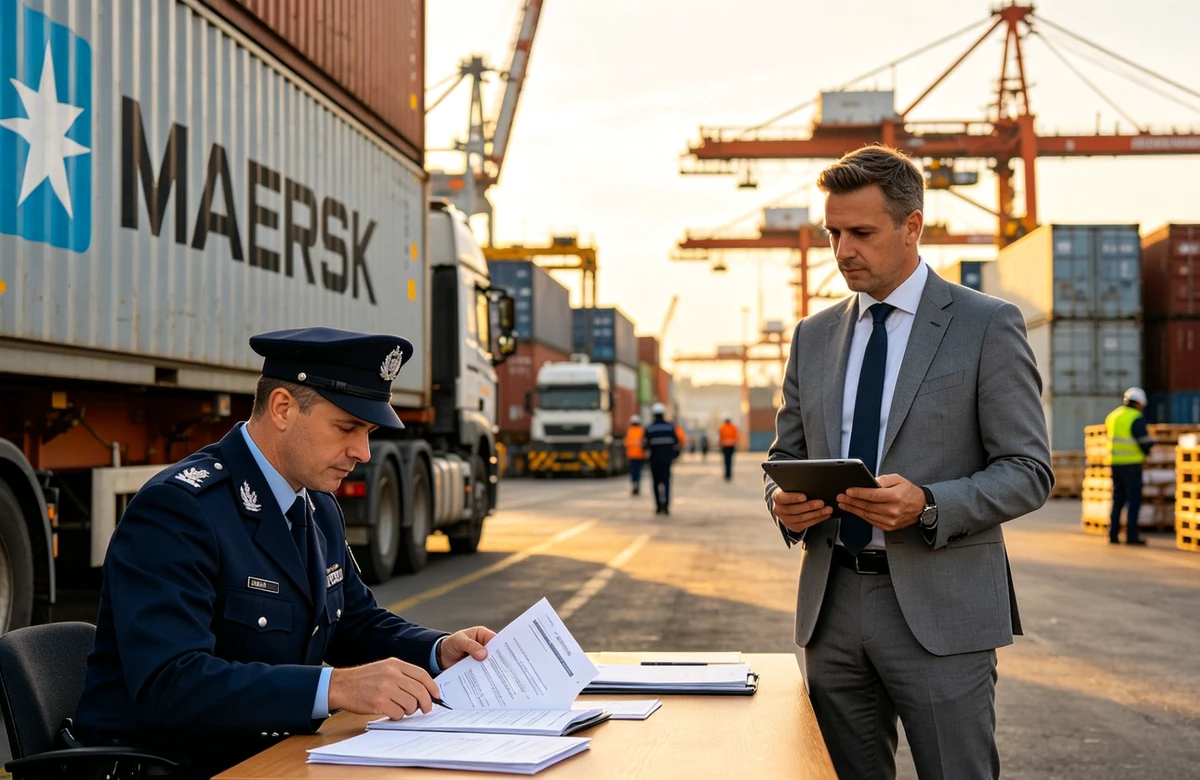 Are you tired of hidden fees eroding your profit margins and unpredictable delays derailing your inventory when shipping from China? The Spain-China trade route is booming, but importing in 2026 brings new complexities. From the persistent Red Sea detours forcing vessels around the Cape of Good Hope to fluctuating container rates and localized equipment shortages, the logistics landscape is more challenging than ever.
As importers, you face uncertain transit times, hidden port fees in hubs like Valencia and Barcelona, and increasingly strict EU customs rules when arranging sea freight from China to Spain. In our experience managing thousands of TEUs annually—including navigating the sudden 2026 equipment shortages in Ningbo—success requires proactive planning and a deep understanding of the market.
This comprehensive guide breaks down the exact costs, realistic transit times, FCL vs. LCL decisions, and step-by-step customs clearance protocols to ensure your cargo arrives safely and on budget. For a broader overview of full container options, you can also explore our guide on FCL Shipping from China to Spain.
Disclaimer: Freight rates and customs policies are highly volatile. The figures and transit times provided in this guide reflect the market landscape as of Q1 2026 and should be used for estimation purposes. Always consult with a certified freight forwarder for real-time quotes.
FCL vs. LCL: Choosing Your Shipping Container from China to Spain
Choose FCL (Full Container Load) for shipments over 15 CBM or high-value goods to secure better security and a lower per-unit cost. Conversely, opt for LCL (Less than Container Load) for smaller shipments (2-15 CBM) to share a shipping container from China to Spain and save on rental costs.
When deciding how to transport your goods, understanding the volume threshold is critical. In our daily operations, we constantly advise clients on this breakdown to maximize cost-efficiency:
| Feature | FCL (Full Container Load) | LCL (Less than Container Load) |
|---|---|---|
| Volume Threshold | > 15 CBM | 2 - 15 CBM |
| Cost Structure | Flat rate per container (20ft, 40ft, 40HQ) | Priced per CBM or weight (whichever is greater) |
| Transit Time | Faster (direct loading and unloading) | Slightly slower (requires consolidation/deconsolidation) |
| Security & Handling | High (sealed at origin, opened at destination) | Moderate (cargo is handled multiple times alongside others) |
For most mid-to-large-sized Amazon FBA sellers and B2B distributors in Spain, FCL offers the best balance of speed and security.

Shipping Time from China to Spain: How Long Does Sea Freight Take?
In 2026, port-to-port shipping time from China to Spain by sea takes an average of 32 to 45 days. This duration heavily depends on your chosen departure port in China and whether carrier vessels are rerouting around the Cape of Good Hope instead of the Suez Canal.
The reality of ocean freight today is that transit times are highly volatile. Below is a realistic breakdown of port-to-port transit times based on current 2026 routing data:
| Origin Port (China) | Destination Port (Spain) | Estimated Transit Time (Days) |
|---|---|---|
| Shanghai | Valencia | 34 - 40 Days |
| Ningbo | Barcelona | 35 - 42 Days |
| Shenzhen (Yantian) | Algeciras | 32 - 38 Days |
| Qingdao | Valencia | 38 - 45 Days |
Crucial Factors Affecting Transit Time in 2026:
- Red Sea Crisis & Detours: Vessels bypassing the Red Sea and traveling around Africa’s Cape of Good Hope are adding approximately 10 to 14 days to standard transit times.
- Port Congestion: Major Spanish hubs, particularly Valencia and Barcelona, occasionally experience labor strikes or seasonal bottlenecking.
- Peak Season Delays: Shipping between August and October (pre-Christmas) or January (pre-Chinese New Year) often leads to rolled cargo and delayed departures.

Cost of Shipping from China to Spain: Breaking Down Sea Freight Rates
The cost of shipping from China to Spain fluctuates, but typically includes base ocean freight charges, terminal handling charges (THC) at both ends, EU customs duties (0-17%), and Spain’s mandatory 21% VAT (IVA).
Understanding the exact breakdown of your logistics invoice is the only way to protect your profit margins. While base freight rates vary weekly, a typical shipment incurs the following key cost components:
- Base Ocean Freight: The core cost of moving a 20ft or 40ft container across the ocean. In early 2026, we have seen rates highly sensitive to equipment availability.
- Port Operations & Surcharges: Expect Bunker Adjustment Factors (BAF) for fuel, Peak Season Surcharges (PSS), and Terminal Handling Charges (THC) at both the Chinese loading port and the Spanish discharge port.
- EU Tariffs & Spanish VAT (IVA): Import duties are calculated based on the CIF value of your goods. After adding duties, Spain applies a standard 21% Value Added Tax (IVA) to the total. You can verify specific tariff rates on the European Commission’s TARIC database.
- Hidden Costs: Always budget for potential Demurrage (late container pickup from the port), Detention (late return of the empty container), and random customs inspection fees.
Pro Tip for 2026: To avoid peak season price surges, book your cargo space at least 3 to 4 weeks in advance.

Step-by-Step Customs Clearance in Spain for Chinese Imports
To handle customs clearance in Spain successfully, importers must have a valid EORI number, submit the DUA (Documento Único Administrativo), and provide accurate commercial invoices, packing lists, and the Bill of Lading.
Navigating Spanish customs can be daunting, but missing a single document can result in hefty storage fees or cargo seizures. According to the Agencia Tributaria (Spanish Tax Agency), compliance is non-negotiable.
Here are the essential documents you must prepare:
- Bill of Lading (B/L): The official receipt and contract of carriage issued by the carrier.
- Commercial Invoice & Packing List: Must clearly state the value, quantity, and description of the goods.
- Certificate of Origin (Form A / CO): Proves the goods were manufactured in China.
- EORI Number: An Economic Operators Registration and Identification number is mandatory for all businesses importing into the EU.
- DUA (Documento Único Administrativo): The standard EU customs declaration form required in Spain.
Common Pitfall: Using incorrect HS (Harmonized System) codes is the most frequent error we see in our daily operations. Misclassification can lead to overpaying import duties or severe penalties during random customs inspections. We strongly advise cross-referencing your products with the World Customs Organization (WCO) HS nomenclature before shipping.

Incoterms 2020: FOB vs. CIF vs. EXW for Spain Imports
We highly recommend FOB (Free on Board) for Spain imports as it gives buyers maximum transparency and control over their supply chain costs. CIF (Cost, Insurance, and Freight) leaves the shipping control to the Chinese supplier, often resulting in hidden destination fees.
When negotiating with your Chinese supplier, the Incoterm you choose dictates who carries the risk and who pays the bills at each stage of the journey when booking shipping from china to Spain by sea.
- FOB (Free on Board): The supplier pays to get the goods onto the ship in China. You (the buyer) pay for the ocean freight, insurance, and everything from the Spanish port to your warehouse. This is the industry standard for ocean freight.
- EXW (Ex Works): You are responsible for picking up the goods directly from the supplier’s factory in China and handling 100% of the export and import logistics.
- CIF (Cost, Insurance, and Freight): The supplier arranges and pays for the freight to the Spanish port. While it seems easier, suppliers often use forwarders who offer them cheap export rates but hit you with massively inflated destination charges (THC, handling fees) once the cargo arrives in Valencia or Barcelona. For official definitions of these terms, refer to the International Chamber of Commerce (ICC) Incoterms® rules.
Sinoshipment: Your Trusted Freight Forwarder China to Spain
As a leading freight forwarder China to Spain established in 2013, our Sinoshipment team has successfully managed thousands of TEUs to European ports, providing competitive pricing, direct carrier contracts, and seamless customs clearance.
Navigating the complexities of 2026’s logistics landscape requires a partner with deep operational experience. Here is why businesses choose Sinoshipment:
- Competitive Pricing & Space Guarantee: Thanks to our direct contracts with top-tier carriers like Maersk, MSC, and COSCO, we secure container space even during severe equipment shortages.
- End-to-End Solutions: We handle everything from supplier pick-up in Yiwu or Shenzhen to final door delivery in Madrid or Barcelona.
- Expert Customs Clearance: Our in-house experts ensure flawless DUA submissions, eliminating costly border delays.
- 100% Transparent Quotes: We operate with radical transparency. No hidden destination fees—what we quote is exactly what you pay.
You may be interested in the following related shipping routes:
FAQ: People Also Ask
What is the cheapest way to ship from China to Spain?
Sea freight is significantly cheaper than air freight. For shipments under 15 CBM, LCL (Less than Container Load) is the most cost-effective. For volumes above 15 CBM, booking a full 20ft or 40ft container (FCL) provides the best value.
Do I need an EORI number to import into Spain?
Yes. An Economic Operators Registration and Identification (EORI) number is legally required for any commercial entity or individual importing goods into the European Union, including Spain.
How are import taxes calculated in Spain?
Import duties are calculated based on the total CIF (Cost + Insurance + Freight) value of your shipment. After adding the duty amount to the CIF value, Spain applies a 21% IVA (VAT) on that grand total.
Can I track my sea freight shipment?
Absolutely. You can track your container using the Bill of Lading (B/L) number, container number, or through your freight forwarder’s digital tracking system, providing real-time visibility from origin to destination.
Conclusion
Shipping from China to Spain by sea remains the most cost-effective method for importing bulk goods, electronics, and Amazon FBA inventory. However, success in 2026 depends heavily on understanding volatile transit times, optimizing container loads between FCL and LCL, and ensuring strict adherence to EU customs compliance.
Don’t let hidden fees or routing delays disrupt your supply chain. If you are ready to import, contact Sinoshipment today for a customized, real-time sea freight quote. Let our experts handle the heavy lifting so you can focus on growing your business in the Spanish market.