TIR Trucking from China to Iran: The Complete 2026 Post-Hormuz Guide (Rates, Routes & DDP)
· By SinoShipment
Post-Hormuz Supply Chain TIR Trucking from China to Iran is now the defining logistics framework for anyone moving cargo between these two markets. In 2026, Strait of Hormuz disruption, war-risk insurance spikes, and multi-week rate surges on the Bandar Abbas sea lane have forced procurement managers to rethink a decades-old assumption: that ocean freight is the default answer for China–Middle East trade. It no longer is.
At Sinoshipment Logistics, we’ve operated China–Iran freight continuously since 2013. What we’ve seen in 2026 is a structural shift, not a temporary disruption. TIR trucking — sealed, customs-bonded overland transport under a single international carnet — has moved from niche alternative to the primary route for time-sensitive, risk-averse cargo. This guide explains why, shows you the actual rates, maps the three operational corridors, and gives you a compliance briefing most forwarders won’t publish.
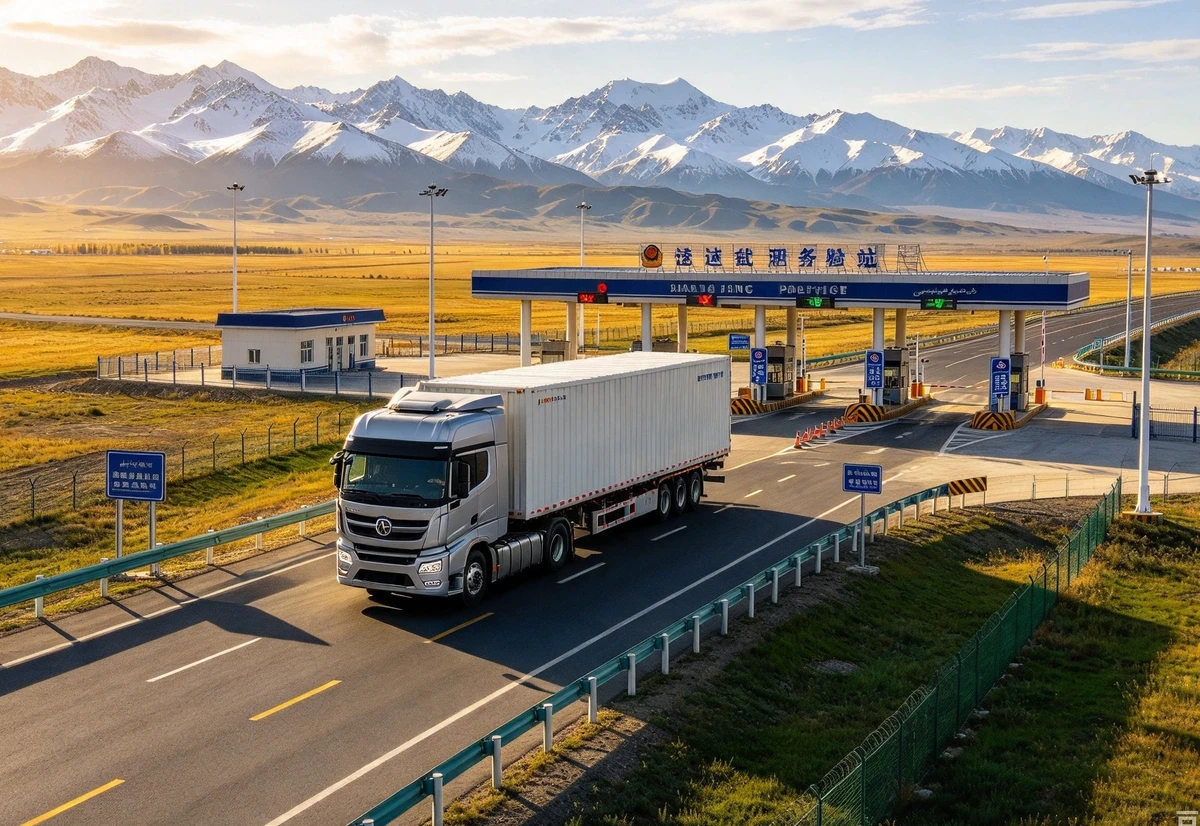
1. The Post-Hormuz Reality: What’s Actually Happening in 2026
The Strait of Hormuz handles roughly 20% of global petroleum and a significant share of containerized Gulf trade. In 2026, sustained geopolitical tension — military escalation involving Iran, Israel, and the United States — has turned theoretical chokepoint risk into an operational reality. For a detailed analysis of how Hormuz closure scenarios affect shipping schedules and costs, see our Strait of Hormuz Closure Shipping Impact report.
Here’s what that means for freight:
- War-risk insurance premiums on Gulf transits have risen from a pre-conflict baseline of ~0.10–0.125% of vessel value to 2–5% during escalation windows — a 20–40x increase that carriers pass directly to shippers as surcharges.
- Sea freight rates to Bandar Abbas have spiked unpredictably. H1 2026 market data showed a 20ft container from southern Chinese ports at USD 2,200–5,800 depending on carrier and season — but during volatile periods, spot rates multiplied several-fold within weeks. For current sea freight options and rates on this lane, see our freight shipping from China to Iran route page.
- Vessel scheduling reliability has collapsed. Blank sailings, port congestion at Bandar Abbas, and carrier reluctance to commit to Gulf calls have made transit times of 18–28 days optimistic at best.
The Red Sea crisis of 2024–2025 was the preview. Houthi attacks forced mass rerouting around the Cape of Good Hope, adding 10–14 days and thousands of dollars per container. Hormuz is the same vulnerability at a larger scale — and unlike Suez, there’s no equivalent “long way around” that keeps costs sane.
Our Industry Insight: Procurement teams are quietly rewriting their routing playbooks. The metric that matters in 2026 isn’t “cheapest rate” — it’s risk-adjusted landed cost. A route that saves USD 800 on paper but introduces a 30% probability of a 3-week delay and a 2x rate re-quote is not cheaper. TIR trucking wins precisely because it eliminates the two biggest volatility drivers: chokepoint exposure and carrier schedule dependency.
2. Why TIR Trucking Wins: The Mechanics Competitors Don’t Explain
Most China–Iran logistics content mentions “land freight” in passing without explaining the system that makes it fast. That system is TIR (Transports Internationaux Routiers) — a UN-administered customs transit framework that allows a sealed truck to cross multiple international borders under a single TIR carnet, with minimal physical inspection.
How the TIR carnet works in practice:
- At origin (Shenzhen, Guangzhou, Yiwu, etc.), cargo is loaded and the truck/container is sealed.
- A TIR carnet — an internationally recognized customs document guaranteeing duties and taxes — is issued and accompanies the load.
- At each border (Kazakhstan, Uzbekistan, Turkmenistan), customs authorities verify the seal and carnet rather than conducting full cargo inspections. Transit time at borders drops from days to hours.
- The seal remains intact until the destination customs zone in Iran, where IRICA (Islamic Republic of Iran Customs Administration) processes formal import clearance.
This is structurally different from rail, which operates station-to-station and requires cargo to be transferred to trucks at both ends. TIR is genuinely door-to-door: the same sealed vehicle that leaves your supplier’s factory in Dongguan arrives at your warehouse in Tehran.
China (acceded 2016), Kazakhstan, Kyrgyzstan, Uzbekistan, Turkmenistan, and Iran are signatories to the TIR Convention, administered by the IRU (International Road Transport Union). The legal framework is mature and enforceable across the corridor.
Real-Life Scenario: In Q2 2026, a Shenzhen electronics client shipping 12 CBM of network equipment to Tehran faced a choice: wait 5+ weeks for a reliable sea booking with war-risk surcharges, or move by TIR truck. We consolidated the cargo at our Shenzhen warehouse, loaded it into a sealed 40ft truck, and issued the carnet within 48 hours. The truck cleared Kazakhstan and Uzbekistan in under 30 hours of combined border time, reached Tehran in 14 days, and the client paid a fixed DDP rate set at booking — no re-quotes, no surcharges, no surprises.
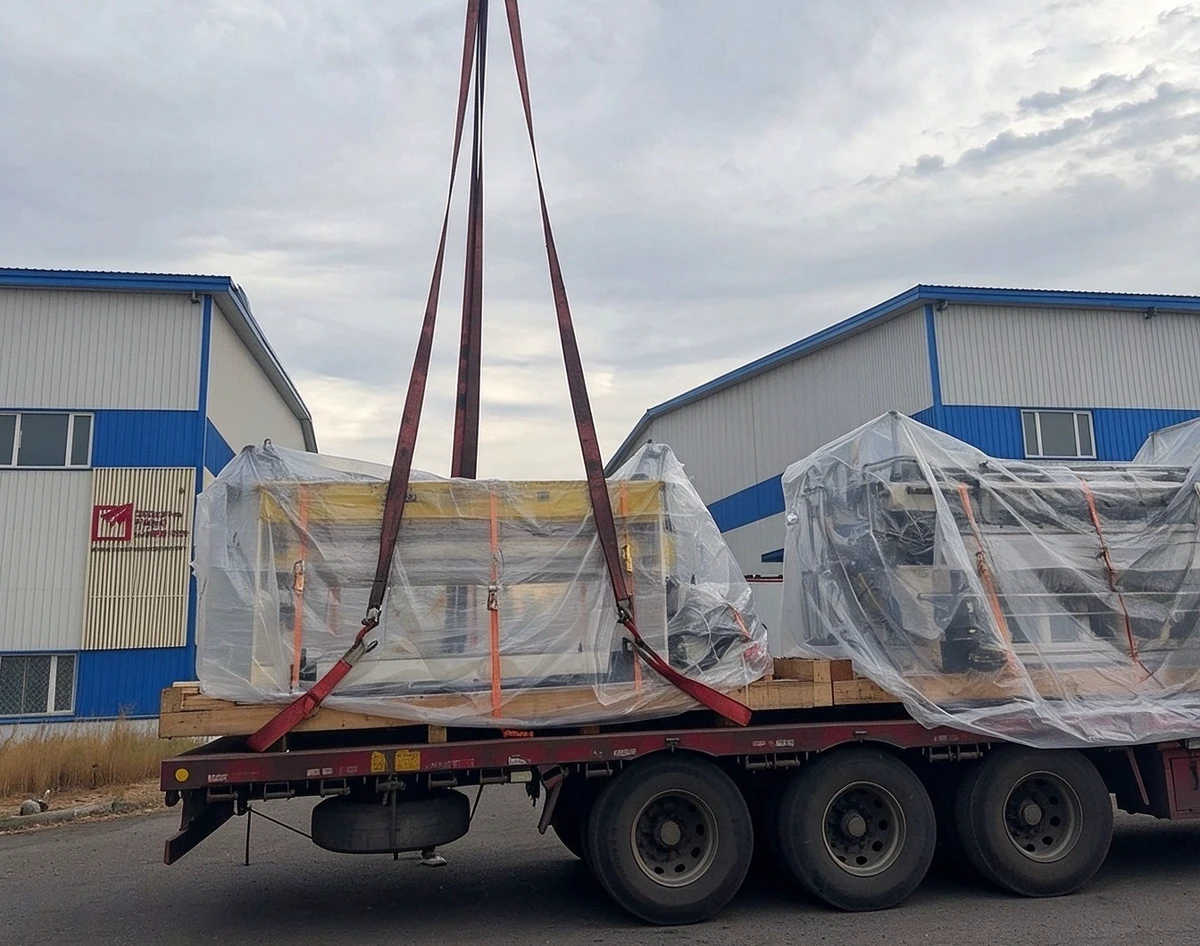
3. The Three TIR Corridors: Routes, Borders, and Transit Times
There is no single China–Iran road route. Professional TIR operators maintain three corridors and switch between them based on border conditions, cargo sensitivity, and transit-time requirements.
Route A — Primary Corridor (Central Asia Direct)
Path: China (Khorgos / Alashankou exit) → Kazakhstan → Uzbekistan → Turkmenistan → Iran (Incheh Borun / Sarakhs entry) Transit time to Tehran: 12–15 days Profile: The shortest physical path. Road conditions are stable and the corridor operates year-round. This is the default route for general cargo. For a detailed breakdown of costs and transit times via the Khorgos gateway, see our shipping cost from Khorgos Port to Iran guide.
Route B — Caspian-Caucasus Backup
Path: China → Kazakhstan → Caspian Sea ferry → Caucasus → Türkiye → Iran (Bazargan entry) Transit time to Tehran: 15–18 days Profile: Bypasses Uzbekistan and Turkmenistan entirely. Activated when Central Asian corridors experience congestion or heightened transit inspection. The Caspian ferry leg adds time but provides genuine geographic redundancy.
Route C — Kashgar-Kyrgyzstan Bypass
Path: China (Kashgar exit) → Kyrgyzstan → Uzbekistan → Turkmenistan → Iran Transit time to Tehran: 14–16 days Profile: Exits China through Kashgar and bypasses Kazakhstan. This route matters when Kazakhstan transit faces secondary-sanctions scrutiny or when cargo sensitivity makes the Kyrgyz corridor preferable.
Route Switching Mechanism
The value of three routes isn’t theoretical — it’s operational insurance. When border conditions deteriorate on one corridor, cargo already staged at Xinjiang bonded warehouses can be re-routed within 24–48 hours. Sinoshipment maintains partnerships with bonded facilities at all three exit points (Khorgos, Alashankou, Kashgar), which is what makes rapid switching possible.
City-level transit times from Shenzhen/Guangzhou:
| Destination | Route A | Route B | Route C |
|---|---|---|---|
| Tehran | 12–15 days | 15–18 days | 14–16 days |
| Mashhad | 13–16 days | 16–19 days | 15–17 days |
| Isfahan | 12–15 days | 15–18 days | 14–16 days |
| Tabriz | 13–16 days | 14–17 days | 15–17 days |
| Bandar Abbas | 14–17 days | 17–20 days | 16–18 days |
4. 2026 TIR Trucking Rates: What You’ll Actually Pay
Every competitor publishes sea and rail rates. Almost none publish truck rates. Here’s the 2026 H2 picture — effective October 2026, subject to fuel, FX, and geopolitical volatility of ±20–30%.
TIR trucking rate ranges (China → Iran):
| Pricing Model | Cargo Volume | Rate Range (USD) | Notes |
|---|---|---|---|
| FTL (Full Truck) | 15–22 CBM / 10–18 MT | $5,500–8,500 per truck | Standard 40ft truck capacity |
| LTL (Consolidated) | 1–14 CBM | $280–420 per CBM | Billed on actual volume |
| Per-kg (Groupage) | Small lots / e-commerce | $1.6–2.4 per kg | Minimum charges apply |
| DDP (All-In) | Door-to-door, duty paid | Quoted per shipment | Based on cargo value + volume |
Full landed cost breakdown — the number that actually matters:
- International TIR freight (see table above)
- China inland pickup: USD 300–350 per container-equivalent for South China origins (Shenzhen/Guangzhou); other regions vary by distance
- Cargo insurance: 0.3–0.5% of declared value (strongly recommended for overland corridors)
- Iranian import duty: 4–40% depending on HS code classification (with certain protected categories up to 55% or higher)
- Iranian VAT + clearance service fees
- Inland delivery in Iran: Tehran vs. secondary cities vary by USD 50–150
TIR vs. Sea vs. Rail vs. Air: full comparison
| Dimension | Sea (Bandar Abbas) | Rail | TIR Truck | Air |
|---|---|---|---|---|
| Transit time | 18–28 days (+ Hormuz risk) | 14–24 days | 12–18 days | 4–7 days |
| Cost (20ft equiv.) | $2,200–5,800 (H1 2026) | $4,000–7,500 | $5,500–8,500/truck | — |
| LCL / per kg | $55–130/CBM | — | $280–420/CBM; $1.6–2.4/kg | $4.5–7.5/kg |
| Hormuz exposure | High | None | None | Moderate (airspace) |
| Door-to-door | No (needs secondary transport) | No (station-to-station) | Yes (true D2D) | Yes |
| Best for | High-volume, low-value cargo | Full-container industrial cargo | Mid-size, time-sensitive cargo | High-value, urgent cargo |
For a deeper comparison of rail versus road options on this corridor, see our Rail Freight from China to Iran via Central Asia analysis.
When to choose which mode:
- Under 5 CBM + tight budget → LCL sea (accept Hormuz risk) or TIR LTL
- 5–15 CBM + 12–18 day window → TIR LTL is the optimal risk-adjusted choice
- Full truck + high urgency → TIR FTL via Route A
- Sensitive cargo / KZ transit scrutiny → Route C
- Extremely high value + immediate need → Air freight
Our Industry Insight: The biggest mistake we see importers make is comparing FTL truck rates against FCL sea rates on a per-unit basis without factoring in the secondary costs sea requires: port-to-warehouse drayage in Iran, demurrage risk at Bandar Abbas, war-risk surcharges, and the working capital cost of a 10-day longer transit. On a fully loaded comparison, TIR FTL is typically 15–25% more expensive than sea on a good day — and 20–30% cheaper on a volatile day.
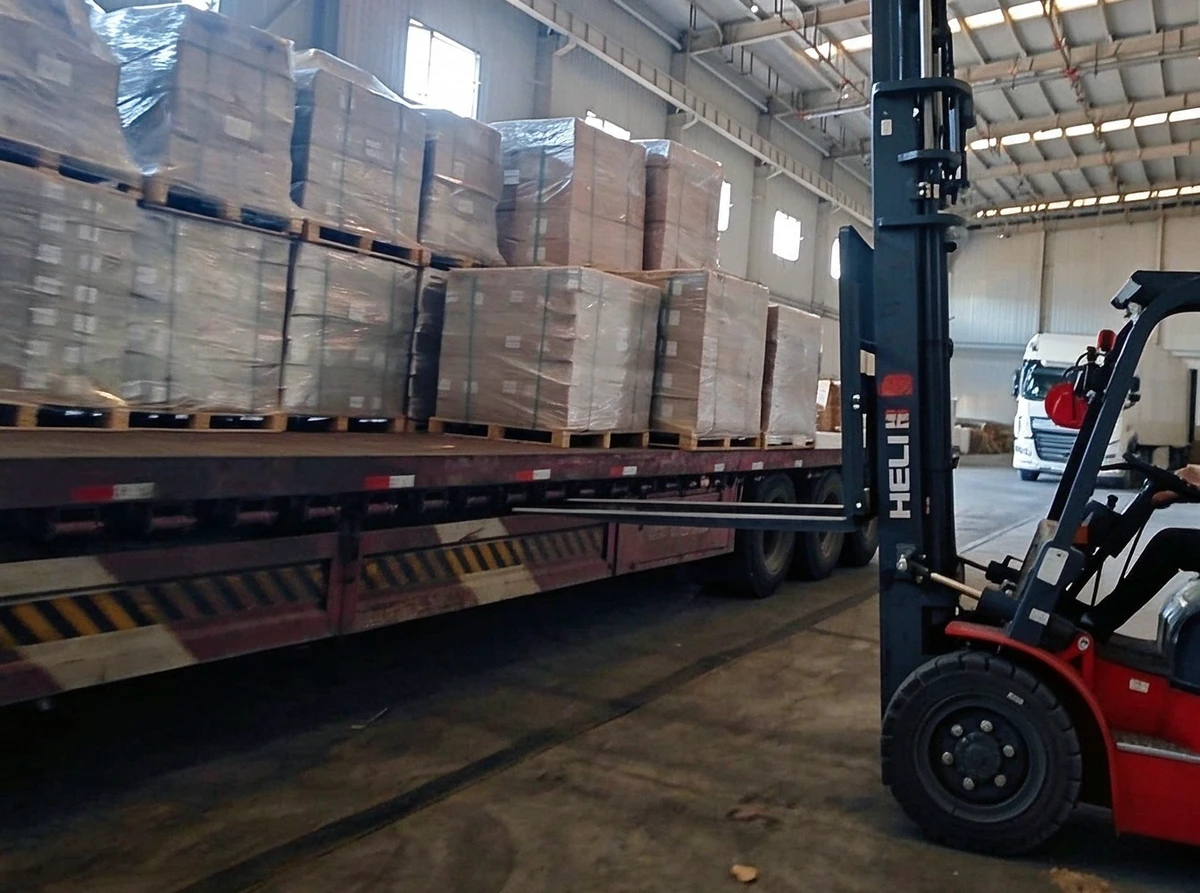
5. Compliance, Sanctions & Documentation: What Most Forwarders Won’t Tell You
Shipping to Iran requires more preparation than a standard China–UAE lane. Here’s what you need.
Core documentation (China export + Iran import):
- Commercial Invoice and Packing List
- Certificate of Origin (CO)
- China export customs declaration
- Fumigation certificate (for wood packaging)
- MSDS (for batteries, liquids, powders, or any regulated cargo)
- TIR carnet — arranged and managed by your forwarder; you don’t handle this directly
For professional customs clearance support on both the China export and Iran import sides, Sinoshipment handles the full documentation chain under our DDP service.
Iranian customs clearance essentials:
- HS Code classification determines your duty rate (typically 4–40%, with certain protected categories higher). Confirm before shipping, not after.
- ISIRI conformity: Certain product categories — electronics, medical devices, building materials — require Iranian national standard certification. Verify with your buyer.
- ISIRI conformity deserves special attention. Iran’s national standards body (Institute of Standards and Industrial Research of Iran) requires pre-shipment certification for electronics, telecommunications equipment, medical devices, and building materials. Your Iranian buyer or importer of record typically handles ISIRI applications, but you should confirm certification status before cargo leaves China — retroactive certification is slow and expensive. For general consumer goods and textiles, ISIRI requirements are lighter, but HS code verification remains essential.
IRICA process: Under TIR, sealed cargo proceeds to an Iranian bonded facility where customs clearance occurs, the seal is broken under supervision, and cargo is released for inland delivery.
Sanctions and settlement — the part most forwarders avoid:
Banking friction with Iran is real. USD settlement is restricted under OFAC secondary-sanctions rules for most transaction types. Sinoshipment works with clients to identify compliant settlement structures and will flag cargo categories that require additional screening before accepting a booking. We also screen for dual-use goods at quotation stage — not at the border, where a failed inspection costs you weeks.
This section is operational guidance, not legal advice. For transactions above USD 100,000 or involving regulated product categories, consult a trade-compliance attorney.
Cargo security and insurance: All Sinoshipment TIR moves include GPS tracking with milestone alerts, seal-number documentation at every border crossing, and bonded warehouse staging at Xinjiang exit points. We strongly recommend purchasing cargo insurance at 0.3–0.5% of declared value — a small premium that protects against the full spectrum of overland transit risks, from road accidents to weather events to customs-related delays. Unlike sea freight, where war-risk surcharges can double your insurance cost overnight, overland TIR insurance pricing is stable and predictable.
6. How Sinoshipment Executes TIR: Door-to-Door DDP from Shenzhen to Tehran
Sinoshipment is headquartered in Shenzhen — the manufacturing and logistics heart of South China — with nationwide pickup coverage including Shenzhen, Guangzhou, Dongguan, Yiwu, and Shanghai. Founded in 2013, we’ve served over 5,000 clients across the Middle East, Europe, the Americas, Africa, and Oceania.
Our TIR door-to-door DDP process (for a broader overview of our Door to Door Shipping from China to Iran service including sea and air options, see our dedicated guide):
- Quote: You share product category, dimensions, weight, and pickup city. We issue a full DDP proforma within 24 hours — freight, insurance, duty, VAT, delivery. No hidden lines.
- Pickup & consolidation: We collect from your factory and consolidate at our Shenzhen or Guangzhou warehouse. Optional services include quality inspection, labeling, and palletizing.
- Export & carnet: We handle China export customs declaration and TIR carnet issuance at the optimal Xinjiang exit port.
- Cross-border transit: Sealed truck moves under GPS tracking across Central Asia. You receive milestone notifications at every border crossing.
- Iranian clearance: We manage IRICA import clearance and duty payment on your behalf under DDP terms.
- Final delivery: Cargo is delivered to your designated address in Tehran, Mashhad, Isfahan, Tabriz, Shiraz, or Bandar Abbas — signature confirmed.
Value-added services: warehousing and consolidation, quality inspection, labeling and palletizing, cargo insurance, and dropshipping support for e-commerce sellers.
Why shippers choose Sinoshipment for China–Iran TIR: we’ve operated this corridor since before the current disruption cycle, which means our route relationships, bonded warehouse partnerships, and Iranian clearance network were built under normal conditions and stress-tested under crisis conditions. We quote transparently, we don’t re-quote after booking, and our response time on operational issues is measured in hours, not days.
For importers managing multi-supplier consolidation in South China, our Shenzhen warehouse offers a single receiving point where cargo from multiple factories can be combined, inspected, and loaded into one sealed TIR truck — reducing per-unit freight cost by 20–35% compared to shipping each supplier’s cargo separately.
7. FAQ
How much does TIR trucking from China to Iran cost in 2026? FTL (full truck) runs USD 5,500–8,500 depending on route and season. LTL consolidation is USD 280–420 per CBM. Per-kg groupage for small shipments is USD 1.6–2.4/kg. All figures are October 2026 market ranges and can shift ±20–30% with fuel, FX, and geopolitical events.
How long does TIR trucking from Shenzhen to Tehran take? Via the primary Route A corridor (Khorgos/Alashankou → Kazakhstan → Uzbekistan → Turkmenistan → Iran), transit is 12–15 days door-to-door. Backup routes add 2–4 days.
What is a TIR carnet and do I need one as a shipper? A TIR carnet is an international customs transit document that allows a sealed truck to cross multiple borders under a single guarantee, with minimal inspection. As a shipper, you don’t obtain one yourself — your forwarder arranges it as part of the service.
Is TIR trucking safer than sea freight via the Strait of Hormuz? For schedule reliability, yes. TIR routes bypass the Hormuz chokepoint entirely, eliminate war-risk surcharges, and operate on road infrastructure that doesn’t depend on carrier sailing schedules. Cargo security is managed through GPS tracking, seal integrity, and bonded staging.
Can I ship LCL cargo by TIR truck, or is it FTL only? Both. FTL is for full-truck loads (15–22 CBM). LTL consolidation allows you to book space per CBM (USD 280–420) or per kg (USD 1.6–2.4) on shared trucks. DDP service is available for both models.
What documents do I need for Iran customs clearance? Commercial Invoice, Packing List, Certificate of Origin, China export declaration, fumigation certificate (if wood packaging), MSDS (if regulated cargo), and any ISIRI conformity certificates required for your product category.
Are there goods that cannot be shipped to Iran by TIR truck? Yes. Dual-use items, military-related goods, and certain sanctioned product categories are restricted or prohibited. Sinoshipment screens cargo at quotation stage and will decline categories that present compliance risk.
How do I track my cargo during overland transit? All Sinoshipment TIR shipments include GPS-based tracking with automated milestone notifications at major border crossings and arrival points. You’ll know where your cargo is without having to ask.
8. Conclusion
The post-Hormuz supply chain isn’t a temporary disruption to wait out — it’s a structural reordering of how China–Middle East trade moves. TIR trucking from China to Iran is the only mode that currently delivers on all three dimensions that matter: 12–18 day transit (vs. 18–28+ volatile days by sea), fully transparent DDP pricing with no war-risk surcharges, and genuine route redundancy through three operational corridors.
The importers gaining an edge in 2026 aren’t the ones paying the lowest headline rate. They’re the ones who restructured their routing logic before their competitors did.
Get a transparent, fixed DDP quote for your China–Iran shipment within 24 hours — contact Sinoshipment today.
Sinoshipment Logistics — Your professional freight forwarder from China since 2013. Serving global importers with transparent, reliable, multi-modal logistics solutions.