How Much Does It Cost to Ship from China to Turkey: Complete Landed Cost Guide (2026 Update)
· By SinoShipment
Are you wondering how much does it cost to ship from China to Turkey? If you just received a $1,600 sea freight quote from your forwarder, brace yourself—your actual landed cost to get those goods into your warehouse in Istanbul or Ankara will likely be much higher. Turkey’s strict customs regulations, including the TAREKS system and a standard 20% VAT, combined with hidden surcharges, often lead to budget overruns and clearance delays for importers.
Forget generic port-to-port estimates. Below, we are breaking down the real 2026 freight rates across sea, air, and express channels. We will show you exactly how to calculate true door-to-door landed costs and share insider strategies to clear Turkish customs without unexpected fees.
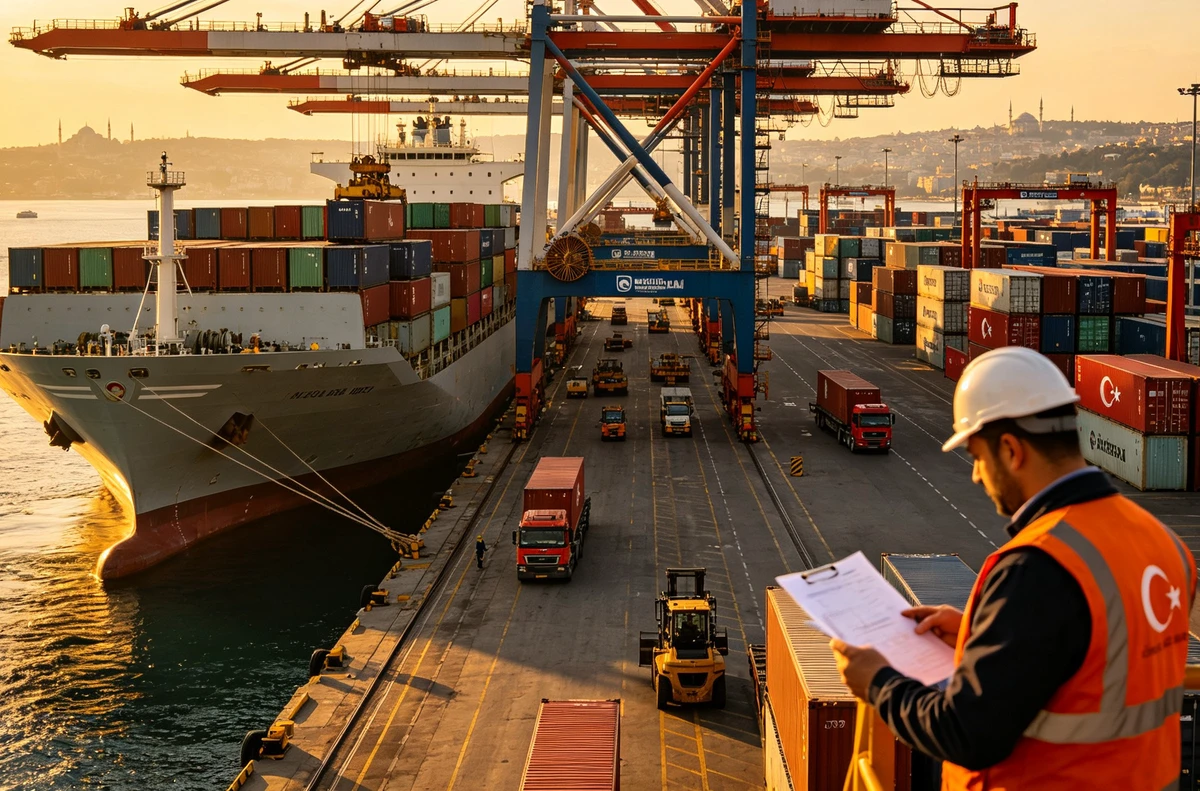
1. Overview: What is the cheapest way to ship from China to Turkey?
When importing goods, finding the cheapest way to ship from China to Turkey depends entirely on your cargo’s volume, value, and urgency. While sea freight is universally recognized as the most cost-effective method for bulk orders, it is also the slowest. Conversely, air freight and express couriers command a premium but deliver goods in a fraction of the time.
To make an informed decision, you must balance the shipping time China to Turkey with your budget. Here is a quick comparison of the core logistics modes:
- Sea Freight: The backbone of international trade. Ideal for heavy machinery, textiles, and large-volume goods. It offers the lowest cost per unit but requires a transit time of 25 to 35 days.
- Air Freight: The best choice for high-value, time-sensitive cargo like electronics or urgent spare parts. It cuts the transit time down to 3 to 7 days.
- Express Courier: Perfect for small parcels, product samples, or documents under 45kg. It is the most expensive per kilogram but offers fast, hassle-free door-to-door delivery.
- Rail Freight (Middle Corridor): An emerging alternative that balances cost and speed, typically taking 18 to 25 days.

2. Sea freight cost from China to Turkey (FCL & LCL)
Sea Freight accounts for over 90% of the cargo volume moving between China and Turkey. Depending on your order size, you will choose between FCL (Full Container Load) and LCL (Less than Container Load).
FCL Container Shipping Costs
If you are importing more than 15 CBM (Cubic Meters) of goods, FCL is the most secure and economical choice. You rent an entire container, which means your goods are not mixed with others, reducing handling risks and clearance delays.
Here are the estimated 2026 FCL rates from major Chinese ports (like Shenzhen, Shanghai, and Ningbo) to key Turkish ports such as Ambarlı Port and Mersin Port:
| Origin Port (China) | Destination Port (Turkey) | 20GP Container | 40GP/HQ Container | Estimated Transit Time |
|---|---|---|---|---|
| Shenzhen (Yantian) | Istanbul (Ambarlı) | $1,450 – $1,750 | $2,500 – $3,000 | 23 – 29 days |
| Shanghai | Istanbul (Ambarlı) | $1,500 – $1,800 | $2,600 – $3,100 | 25 – 30 days |
| Ningbo | Mersin | $1,400 – $1,700 | $2,400 – $2,900 | 24 – 30 days |
LCL Shipping Costs
For smaller shipments (typically between 1 CBM and 15 CBM), LCL is the go-to option. You only pay for the space your cargo occupies inside a shared container.
The sea freight cost from China to Turkey for LCL shipments generally ranges from $50 to $130 per CBM. However, be cautious: while the base freight might look cheap, LCL shipments often incur higher destination handling charges (THC) and deconsolidation fees upon arrival in Turkey.
Our Industry Insights: The Surcharge Trap Always ask your forwarder if their quote includes surcharges like the Bunker Adjustment Factor (BAF) and Peak Season Surcharges (PSS). In 2026, due to geopolitical shifts affecting shipping routes, unexpected surcharges can inflate your baseline sea freight cost by 10% to 20%.
3. Air freight rates from China to Turkey per kg
When speed is non-negotiable, Air Freight is the solution. Direct flights from hubs like Shenzhen (SZX) or Shanghai (PVG) to Istanbul Airport (IST) can deliver your cargo in less than a week.
Air Freight Pricing Tiers
Air freight pricing is tiered; the more you ship, the lower your per-kilogram rate. Here is a general breakdown of the air freight rates from China to Turkey per kg:
| Weight Bracket | Estimated Rate (USD/kg) | Transit Time |
|---|---|---|
| 45 kg – 100 kg | $4.80 – $6.20 | 3 – 5 days |
| 100 kg – 300 kg | $4.10 – $5.50 | 3 – 5 days |
| 300 kg – 1000 kg | $3.80 – $5.00 | 3 – 6 days |
| Over 1000 kg | $3.60 – $4.80 | 3 – 6 days |
Understanding Chargeable Weight
A common pitfall for new importers is misunderstanding how airlines calculate costs. Air freight is billed based on the Chargeable Weight, which is the greater of the actual gross weight or the volumetric (dimensional) weight.
Formula: Volumetric Weight (kg) = (Length × Width × Height in cm) ÷ 6,000
If you are shipping bulky but lightweight items (like foam packaging or oversized electronics), you will be charged for the space they take up, not just their physical weight. Optimizing your packaging is crucial to controlling air freight costs.
4. Express shipping cost from China to Turkey
For highly urgent documents, product samples, or small parcels under 45kg, international couriers like DHL, FedEx, and UPS are unmatched.
The express shipping cost from China to Turkey typically ranges from $8.00 to $15.00 per kg, depending on the exact weight and the current fuel surcharge.
While express shipping is the most expensive method, it offers a distinct advantage: seamless customs clearance. For goods below a certain de minimis value, couriers often handle the customs clearance process internally, saving you the hassle of hiring a local customs broker in Turkey.
5. Real Landed Cost: The Hidden Fees Beyond the Freight Quote
Many B2B buyers make the mistake of assuming the port-to-port freight quote is their final cost. In reality, the true landed cost involves multiple layers.
A transparent cost breakdown includes:
- Base Freight: The ocean or air transport fee.
- Local Charges in China: Factory pickup, export customs clearance, and Bill of Lading issuance fees.
- Turkish Customs & Taxes: Import duties, VAT, and customs brokerage fees.
- Destination Handling (THC): Port unloading and terminal fees in Turkey.
- Inland Delivery: Trucking the goods from the Turkish port to your final warehouse.
Real-Life Scenario: The True Cost of a 20GP Container An electronics client in Dongguan recently needed to ship a 20GP container of machinery parts to Ankara. The base sea freight was $1,600. However, after adding China local charges ($300), Turkish port THC ($250), customs brokerage and documentation ($200), and inland trucking from Mersin to Ankara ($500), the actual logistics cost reached $2,850—and this was before calculating the 20% Turkish VAT and import duties. At Sinoshipment, we provide fully itemized quotes so you never encounter these “hidden” surprises.
6. Turkey Customs & Taxes: VAT, TAREKS, and Import Duties
Turkey has one of the most complex and strictly enforced customs regimes in the world. If you do not prepare your documentation meticulously, your cargo will face severe delays and storage fees.
High Taxes and Duties
Almost all commercial imports are subject to VAT in Turkey, which is standardly set at 20%. This is calculated based on the CIF (Cost, Insurance, and Freight) value of your goods. Additionally, depending on the HS code of your product, Turkey import duties can range from 0% to over 30%.
The TAREKS System
Turkey operates a risk-based import control system known as TAREKS. Many product categories—especially electronics, machinery, and textiles—must be validated through this system to ensure they meet EU/Turkish safety and quality standards (such as CE marking). Failing to secure TAREKS approval before the goods arrive can result in the cargo being rejected or destroyed.
Importer of Record Requirements
To clear commercial goods, you must have a locally registered Turkish entity with a valid tax number (Vergi Kimlik Numarası). Foreign companies cannot act as the Importer of Record. If you are a cross-border e-commerce seller without a Turkish company, you will need a specialized logistics solution.
7. Door to door shipping from China to Turkey price (DDP Solutions)
Understanding Incoterms (EXW, FOB, DDP) is vital for cost control. While FOB (Free on Board) gives you control over the main freight, it leaves you responsible for the complex Turkish customs process.
For buyers who want a completely hands-off experience, DDP (Delivered Duty Paid) is the ultimate solution. The door to door shipping from China to Turkey price under a DDP term includes everything: pickup in China, export clearance, ocean/air freight, Turkish import clearance, payment of all duties and VAT, and final delivery to your address.
At Sinoshipment, our DDP solutions are particularly valuable for e-commerce sellers and small-to-medium enterprises who lack a registered entity in Turkey. We handle the entire compliance and tax burden, providing you with a single, transparent, all-in invoice.
8. Alibaba shipping costs to Turkey vs. Freight Forwarder
Many importers start by using the default shipping options provided by suppliers on platforms like Alibaba. While Alibaba shipping costs to Turkey might seem convenient at checkout, they often come with significant drawbacks.
Platform logistics typically use standardized, inflexible routes. They may hit you with unexpected destination fees upon arrival, and their customer service is rarely equipped to help you navigate complex TAREKS or HS code disputes in Turkey.
Partnering with a professional Freight forwarder China to Turkey, like Sinoshipment, offers distinct advantages:
- Consolidation: We can collect goods from multiple suppliers across China, combine them in our Shenzhen warehouse, and ship them as a single LCL or FCL shipment, drastically reducing your costs.
- Transparency: We provide itemized quotes with zero hidden fees.
- Customs Expertise: Our team proactively reviews your commercial invoices, packing lists, and HS codes before the cargo leaves China to ensure smooth clearance in Turkey.
9. FAQ
How long does customs clearance take in Turkey? If all your documentation (including TAREKS approval and CE certificates) is perfectly prepared, standard commercial clearance usually takes 2 to 4 business days. Any discrepancies in the HS code or valuation can delay the process for weeks.
Do I need a CE certificate to export from China to Turkey? Yes, for many products. Because Turkey is part of the EU Customs Union, products like electronics, toys, and machinery must bear the CE mark and possess the corresponding test reports to pass Turkish customs.
Can I ship power banks or batteries to Turkey? Yes, but batteries are classified as dangerous goods (DG). They require special handling, MSDS (Material Safety Data Sheet), and UN38.3 certification. Always inform your freight forwarder in advance so they can book the appropriate airline or shipping vessel.
10. Conclusion
At the end of the day, shipping to Turkey is about managing your total landed cost, not just chasing the lowest base freight rate. Mastering the TAREKS system, understanding the 20% VAT, and optimizing your container space are what actually protect your profit margins.
As a leading logistics expert based in Shenzhen since 2013, Sinoshipment has helped over 5,000 clients streamline their global supply chains. Because Turkey serves as a strategic transcontinental hub, we also assist clients with Freight Shipping from China to Europe and optimizing Major Ocean Freight Shipping Routes from China to Middle East. From booking a simple FCL container to managing a fully compliant DDP door-to-door delivery, our team provides transparent, flexible logistics with zero hidden fees.
Contact Sinoshipment today to get a customized, itemized shipping quote for your next shipment to Turkey!