Strait of Hormuz Reopens (May 2026): Impact on Global Shipping and Freight Rates from China
· By SinoShipment
Are you wondering if the recent reopening of the Strait of Hormuz means your shipping costs from China will finally drop? With the recent U.S. Navy intervention confirmed by CENTCOM and the introduction of DFC-backed insurance in May 2026, the critical waterway has officially reopened, sending global oil prices tumbling from over \(77 to around \)73 a barrel, as reported by Reuters. Importers and global buyers are desperate to know if freight rates will drop immediately and whether it is safe to resume normal shipping routes from China to the Middle East and Europe. This article explains the immediate effects on shipping costs—specifically Bunker Adjustment Factors (BAF) and War Risk Surcharges (WRS)—details transit time adjustments, and provides actionable risk management strategies to secure your supply chain. For context on the events leading up to this, you can review How the Strait of Hormuz Stalemate Impacts Shipping from China.
Disclaimer: The geopolitical situation in the Middle East is highly fluid. The transit times, freight rates, and surcharge estimates provided in this guide are based on our frontline operational data as of May 2026 and are subject to rapid change.
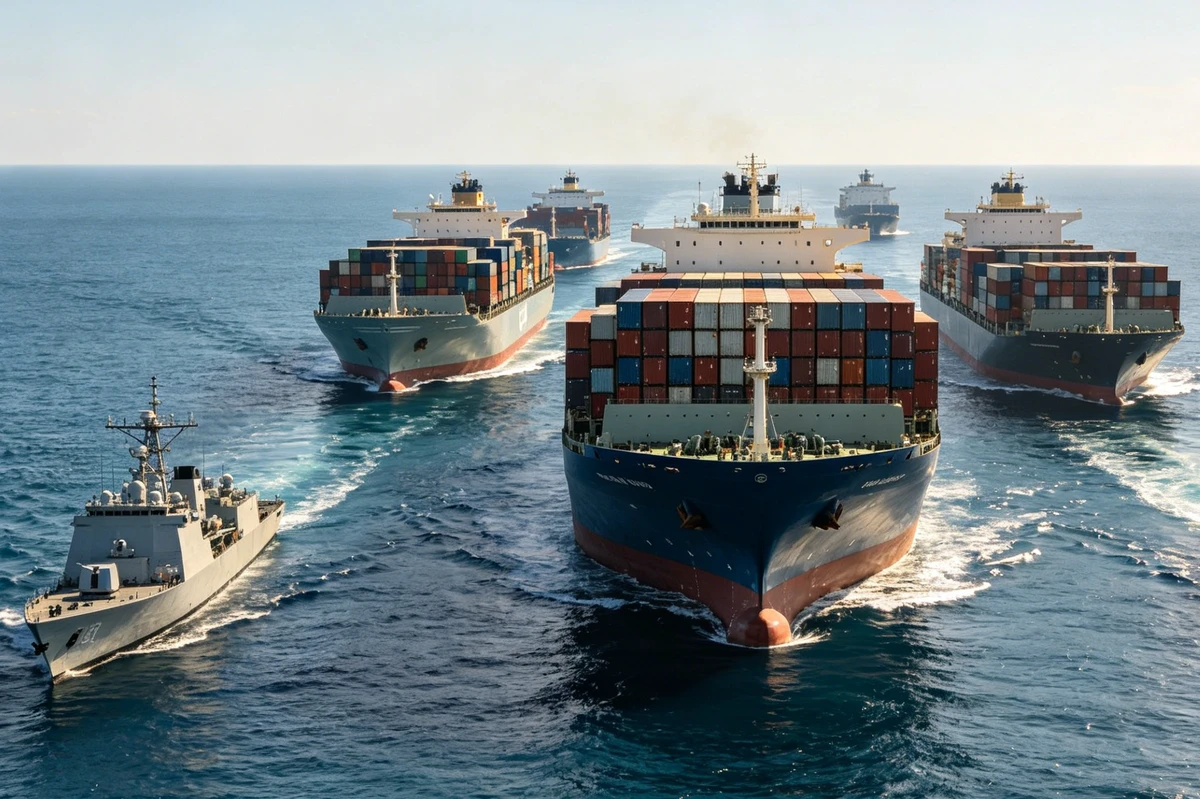
2. Core Conclusion: Should You Change Your Shipping Strategy Now?
While the Strait of Hormuz is officially “open for business” following extensive mine removal operations, the normalization of shipping operations will take several weeks. Freight rates will experience a delayed reduction, and insurance costs remain a key variable for global importers.
Best for importers arranging freight shipping from China to UAE, freight shipping from China to Saudi Arabia, Freight Shipping from China to Qatar, and European markets relying on Freight Shipping from China to Middle East transshipment, our core advice is to proceed with cautious optimism. Based on our dedicated Middle East routing team’s extensive experience at SinoShipment—where we have successfully managed thousands of TEUs through both peaceful and highly volatile corridors—an “open” strait does not instantly equate to pre-crisis freight rates. Vessels that were previously rerouted or stranded are currently creating port congestion, which will artificially inflate short-term pricing despite the drop in crude oil.
3. Cost Breakdown: How the Hormuz Reopening Affects Freight Rates
The reopening affects freight rates primarily through two mechanisms: a gradual decrease in the Bunker Adjustment Factor (BAF) due to falling oil prices, and stubbornly high War Risk Surcharges (WRS) as insurers assess the newly secured route.
Bunker Adjustment Factor (BAF) Adjustments
The immediate drop in crude oil to $73 per barrel is excellent news for ocean freight, but it operates on a lag. According to standard practices outlined by the World Shipping Council, ocean carriers typically adjust their BAF on a monthly or quarterly basis based on average fuel prices over the preceding period. Therefore, while the spot price of oil has dropped, you will likely not see corresponding BAF reductions on your invoices until late June or early July 2026. For high-volume shippers, we recommend negotiating floating BAF clauses tied to real-time indices.

War Risk Surcharge (WRS) Realities
Despite the U.S. naval escorts and DFC-backed political risk insurance, private marine insurers are maintaining elevated premiums. The WRS currently applied by major carriers will remain in effect until the region demonstrates sustained stability without incident. We have observed carriers charging anywhere from \(300 to \)800 per TEU in WRS for vessels transiting the Strait.
Hidden Costs: Port Congestion and Equipment Imbalances
Beyond BAF and WRS, importers must account for hidden costs. The backlog of over 30 stranded ships is now flooding into destination ports in the UAE and Saudi Arabia. This sudden influx is causing severe equipment imbalances—empty containers are stuck in the Middle East, leading to potential container shortages back at origin ports in Shenzhen, Ningbo, and Shanghai.
4. Transit Times and Routing Adjustments (China to Middle East/Europe)
Clearing the backlog of stranded ships and navigating the newly secured Strait means importers should still buffer an extra 7 to 14 days for May and June 2026 shipments compared to pre-crisis transit times.
Direct Routes vs. Rerouting
During the 2026 Strait of Hormuz Crisis, many carriers bypassed the Strait entirely, offloading cargo at alternative terminals like Jask in the Gulf of Oman, or routing all the way around the Cape of Good Hope for European cargo.
- Direct Route (Strait of Hormuz): Now reopening. Transit from China to Dubai (Jebel Ali) typically takes 14-18 days. Currently, expect 21-25 days due to naval escort coordination and port congestion.
- Alternative Routes: Discharging at Jask and trucking inland avoids the Strait but adds significant overland transport costs and complexity.

Current Delays Explained
Why the delay if the route is open? Naval escorts require vessels to travel in convoys at regulated speeds, significantly slowing down the transit. Additionally, the U.S.-assisted mine removal operations mean that designated safe channels are narrower than usual commercial shipping lanes. For Amazon FBA sellers, a 14-day delay can result in devastating stockouts, tanking your Best Seller Rank (BSR). It is imperative to adjust your lead times in Seller Central immediately to reflect these operational realities.
5. Strategic Decision Guide: Action Plan for Global Buyers
Importers must choose between a “Wait and See” approach to capitalize on future rate drops or a “Book Now” strategy to secure limited capacity amidst port congestion.
To help you navigate this transition, our logistics experts have compiled a strategic decision matrix:
| Strategy | Cost Risk | Time Sensitivity | Reliability | Best For |
|---|---|---|---|---|
| Wait and See (Delay to July) | Low (Rates likely to drop) | Low (Must have buffer stock) | High (Operations normalized) | Non-urgent consumer goods, low-margin items. |
| Book Now (May/June) | High (Paying peak WRS & BAF) | High (Urgent inventory needs) | Medium (Subject to convoy delays) | High-margin electronics, seasonal goods, FBA restocking. |
Risk Mitigation: The Importance of Cargo Insurance
Relying solely on carrier liability during geopolitical transitions is a critical mistake. Carrier liability (often limited to $2 per kg) will not cover delays or acts of war. Securing comprehensive Cargo Insurance is non-negotiable. With DFC support stabilizing the macro-insurance market, comprehensive “All-Risk” policies covering your specific commercial goods are becoming more accessible.
6. Frequently Asked Questions (FAQ)
Here are direct answers to the most pressing questions importers have regarding the Strait of Hormuz reopening and shipping from China.
When will freight rates from China to the Middle East return to normal?
Rates are expected to stabilize by mid-to-late Q3 2026. BAF adjustments lag by 30-60 days, and WRS will only be removed once insurers downgrade the region’s risk profile.
Is it completely safe for commercial vessels to pass through the Strait of Hormuz now?
While the Strait is “fully open” and U.S. Navy escorts are active, the situation remains a monitored military zone. It is safe for commercial transit under escort, but strict adherence to convoy protocols is required.
Will the U.S. DFC-backed insurance apply to my specific cargo?
The DFC political risk insurance primarily supports the carriers and major energy vessels. Commercial importers still need to purchase their own independent Cargo Insurance for their specific containerized goods.
How does this event affect Air Freight rates from China as an alternative?
During the blockade, Air Freight demand spiked, causing a Middle East Conflict Air Freight Rate Surge. As ocean freight resumes normal operations through the Strait, air freight rates to the Middle East are expected to cool down by 10-15% over the next month as urgent shipments return to the sea. (Learn more about Air Freight alternatives).
7. Why Choose SinoShipment for Navigating Geopolitical Logistics Risks?
SinoShipment offers transparent pricing, dynamic routing, and expert risk assessment to ensure your cargo navigates geopolitical disruptions safely and cost-effectively.
At SinoShipment, we understand that international trade doesn’t stop for geopolitical crises. Here is why thousands of global buyers trust us as their freight forwarding partner:
- Expertise in Volatile Markets: Our team has managed thousands of TEUs through the Middle East during both peaceful and turbulent times. We offer dynamic routing—shifting between Jebel Ali, Jask, or air freight—based on real-time risk assessments.
- Transparent Pricing: No hidden fees. We provide a clear breakdown of BAF, WRS, and base ocean freight based on the absolute latest May 2026 market data. You know exactly what you are paying for.
- Comprehensive Services: From Sea Freight to comprehensive Customs Clearance, we provide end-to-end protection for your imports, ensuring compliance and peace of mind.
8. Conclusion
The reopening of the Strait of Hormuz in May 2026 is undeniably a positive signal for global trade, offering relief to oil markets and ocean carriers. However, supply chain stabilization requires strategic patience and proactive planning. Freight rates will take time to adjust, and securing your cargo with adequate insurance remains paramount.
Don’t leave your supply chain to chance during this critical transition period. Contact SinoShipment today for a customized, risk-assessed freight quote from China to your global destination, and let our experts guide your cargo safely home.